How Artisan Fashion Encourages Mindful Shopping
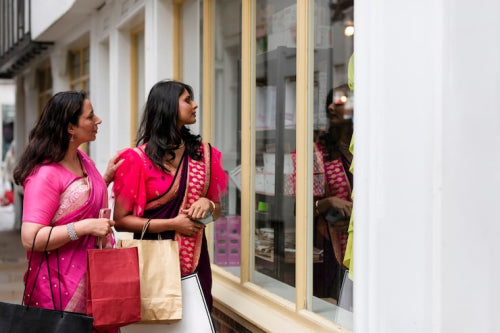
How we choose what we wear reflects more than personal style. It also reveals how we value craftsmanship, resources, communities, and the stories behind everyday products. Artisan fashion encourages mindful shopping by shifting attention away from constant consumption and toward thoughtful choices built around quality, heritage, and human skill. When shoppers understand how a garment is made, who created it, and why traditional techniques matter, purchasing becomes a more intentional experience.
Handcrafted fashion offers an alternative way of engaging with clothing. Instead of focusing only on seasonal trends, it invites consumers to appreciate materials, techniques, and the people behind each piece. This approach connects naturally with sustainable fashion India conversations, where many shoppers are exploring ways to make conscious fashion choices without giving up creativity or cultural expression.
Fast fashion erodes cultural heritage, sidelining artisans and reducing traditions to trends. At IndieHaat, we champion India's craftspeople with handcrafted sarees, apparel, décor, and skincare rooted in authenticity. Each piece embodies skill and ethical care. Support artisans and preserve India's timeless legacy Shop Now!
The Connection Between Craftsmanship and Mindful Shopping
Mindful shopping begins with awareness. Rather than viewing clothing as a temporary purchase, consumers can consider the effort, knowledge, and resources involved in creating each item. Artisan made clothing often carries visible signs of this process, from handwoven textures and traditional embroidery to carefully selected materials and distinctive design details.
This deeper connection changes the way shoppers evaluate value. A handcrafted product is not only measured by appearance or price but also by durability, cultural significance, and the expertise required to create it. Traditional Indian handcrafts represent generations of accumulated knowledge, with techniques passed through families and communities over time.
The relationship between maker and buyer becomes an important part of the shopping experience. When consumers learn the story behind a product, they are more likely to appreciate its uniqueness and choose pieces that fit their lifestyle for longer periods. This mindset supports a move away from disposable purchasing habits and toward a more considered approach to fashion.
Why Artisan Fashion Supports a Slower Approach to Consumption
Fast-changing trends can encourage frequent buying, but artisan fashion offers a different perspective. Handcrafted pieces often focus on timeless designs, skilled construction, and meaningful details that remain relevant beyond a single season. This makes them suitable for shoppers who want wardrobes built around versatile and lasting pieces.
The slow fashion movement highlights the importance of understanding where products come from. By reconnecting clothing with farming, craft traditions, and human labour, shoppers gain greater visibility into the journey behind what they wear. Research on this connection between traditional production and responsible consumption highlights how artisan processes can help consumers value quality and craftsmanship over quantity through farm-to-fashion reconnection.
Choosing handcrafted fashion does not mean avoiding personal expression. Instead, it creates opportunities to discover distinctive designs that reflect cultural identity and individual preferences. A hand-embroidered textile, a naturally dyed fabric, or a carefully crafted accessory can become a meaningful part of a wardrobe because it represents creativity as well as function.
How Artisan Made Products Create Stronger Connections with Makers
One of the defining qualities of artisan fashion is the visibility of human skill. Many mass-produced items separate consumers from the people involved in manufacturing. Handcrafted products bring that relationship closer by highlighting the expertise, time, and techniques involved in production.
This connection encourages shoppers to think about the people behind their purchases. Supporting local artisans fashion is not simply about buying a product; it is about recognising the value of creative work and preserving specialised knowledge. When craft communities receive appreciation for their skills, traditional practices have a stronger foundation for continued growth.
Emerging designers and artisan-focused brands are increasingly exploring ways to preserve craft traditions while creating products that meet modern consumer expectations. Approaches such as working with small craft clusters, using traditional methods, and maintaining transparent production practices demonstrate how fashion can balance creativity with responsibility. Insights into these evolving models show how artisanal supply chain innovation can support makers while maintaining the integrity of handmade techniques.
For consumers, this creates a more meaningful relationship with clothing. A garment becomes more than an item in a wardrobe; it becomes a reminder of the skills, communities, and cultural stories connected to its creation.
The Role of Sustainability in Conscious Fashion Choices
Sustainability is becoming an important consideration for shoppers who want their purchases to reflect their values. Artisan fashion naturally aligns with many sustainable practices because it often emphasises careful production, material awareness, and long-lasting design.
Handcrafted fashion encourages consumers to ask better questions: Was this product made with care? Can it be worn in different ways? Does it represent quality that will remain valuable over time? These questions help transform shopping from a quick transaction into a more thoughtful decision-making process.
For many shoppers, sustainability is not only about environmental impact. It is also about cultural preservation and supporting creative communities. Traditional techniques, regional crafts, and artisan skills form an important part of fashion diversity. Choosing handmade products can help maintain these traditions while allowing them to evolve for contemporary audiences.
A sustainable approach also changes how consumers interact with their existing wardrobes. When people invest in pieces they genuinely appreciate, they may be more likely to care for them, repair them, and continue using them. This creates a relationship with clothing based on appreciation rather than replacement.
What Shoppers Should Consider When Choosing Handcrafted Fashion
Mindful shopping does not require perfection. It starts with making more informed decisions. Consumers exploring artisan fashion can consider several practical factors before adding new pieces to their collection.
- Understand the craftsmanship: Look for details about techniques, materials, and the process behind a product.
- Prioritise versatility: Choose designs that can be styled for different occasions and remain relevant over time.
- Value transparency: Consider whether brands share information about makers, sourcing, and production methods.
- Appreciate uniqueness: Handmade products may include natural variations that reflect their authentic creation process.
- Buy with intention: Focus on pieces that genuinely connect with personal style and values.
These considerations help shoppers move beyond impulse purchases. They also create a stronger appreciation for the difference between simply owning more clothing and building a wardrobe with purpose.
How Digital Marketplaces Are Making Artisan Fashion More Accessible
Online platforms have changed how consumers discover handcrafted products. Digital marketplaces can help connect shoppers with artisans and independent creators who may previously have had limited access to wider audiences.
For consumers, this accessibility makes it easier to explore regional crafts, discover emerging designers, and learn about the stories behind products. A thoughtful digital experience can provide important context, helping buyers understand the techniques, traditions, and values represented by each piece.
For artisan communities, online visibility can create new opportunities to share their work with customers who actively seek meaningful alternatives to mass-produced fashion. The combination of traditional craftsmanship and digital discovery allows handmade products to remain connected to their origins while reaching modern shoppers.
This approach supports a more balanced relationship between technology and tradition. Digital tools do not replace craftsmanship; they can help more people recognise and appreciate it.
The Future of Mindful Fashion Is Rooted in Meaningful Choices
Artisan fashion represents a different way of thinking about consumption. It encourages shoppers to look beyond immediate trends and consider the value of creativity, heritage, and responsible production. Each handcrafted piece carries evidence of human effort, making the buying experience more personal and intentional.
As consumers continue to seek products that align with their values, handcrafted fashion provides a pathway toward more conscious decisions. It connects personal style with broader ideas of sustainability, cultural appreciation, and community support.
Frequently Asked Questions
What is artisan fashion and how does it support mindful shopping?
Artisan fashion focuses on handcrafted pieces created through traditional techniques, skilled craftsmanship, and thoughtful production processes. It supports mindful shopping by helping consumers choose clothing based on quality, cultural value, and the story behind each product rather than short-term trends.
How does handcrafted fashion contribute to sustainable fashion choices?
Handcrafted fashion encourages sustainable fashion choices by promoting long-lasting designs, careful production, and greater awareness of materials and makers. Choosing artisan made clothing can help shoppers build a more intentional wardrobe while appreciating traditional Indian handcrafts and creative skills.
Why should consumers support local artisans when buying handmade products?
Supporting local artisans helps preserve specialised craft knowledge and creates a closer connection between shoppers and the people who make their products. It allows consumers to make ethical consumer shopping decisions by valuing craftsmanship, cultural heritage, and meaningful production practices.
Disclaimer: The above helpful resources content contains personal opinions and experiences. The information provided is for general knowledge and does not constitute professional advice.
You may also be interested in: Traditional Artisanal Technologies in Handmade Clothing Retail
Fast fashion erodes cultural heritage, sidelining artisans and reducing traditions to trends. At IndieHaat, we champion India's craftspeople with handcrafted sarees, apparel, décor, and skincare rooted in authenticity. Each piece embodies skill and ethical care. Support artisans and preserve India's timeless legacy Shop Now!
Powered by flareAI.co