
Why Handwoven Fabrics Last Longer Than Mass-Produced Alternatives
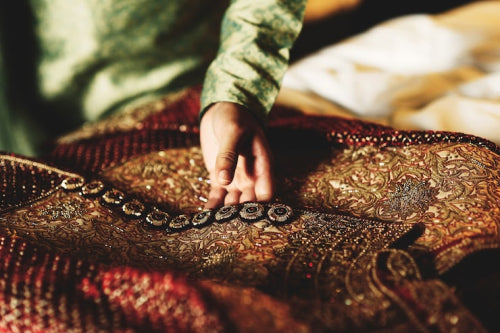
Consumers today are increasingly drawn to clothing and home textiles that last, not only for their beauty but because they deliver real value over time. Handwoven fabrics stand out in this conversation because their construction methods create pieces that hold up far better than many factory-made alternatives. The difference comes down to how the fabric is built with care and attention rather than speed and repetition.
Fast fashion erodes cultural heritage, sidelining artisans and reducing traditions to trends. At IndieHaat, we champion India's craftspeople with handcrafted sarees, apparel, décor, and skincare rooted in authenticity. Each piece embodies skill and ethical care. Support artisans and preserve India's timeless legacy Shop Now!
The Science of Weaving: Why Craftsmanship Matters
Handloom weaving lets the artisan control every variable. Tension, weave density, and fiber alignment are adjusted during the process, helping preserve the natural strength of the yarns. In contrast, power looms operate at high speed and can introduce mechanical stress that affects fibers during repeated production.
Research into handloom sector sustainability research highlights how India's handloom textile sector can create durable and sustainable products through traditional methods. Hand-operated looms allow careful control over weaving conditions, helping fabrics maintain strength through repeated washing, wearing, and environmental exposure. The use of natural fibers and traditional techniques also supports better resilience and long-term performance compared with many industrial alternatives. This isn't just theory. It's why many consumers now choose fabrics that develop character with age instead of fading or falling apart.
Durability as a Foundation of Sustainability
Durability has become one of the most important signals of responsible textile choices. Handwoven options shine here because they are built to last. High-quality constructions with strong seams and color-fast dyes maintain their appearance and performance for years.
Industry insights on durability in sustainable home textiles show that long-lasting textile construction helps reduce replacement cycles. Fabrics designed for abrasion resistance, strong performance, and better color retention can continue serving homes for longer periods, lowering the environmental impact associated with frequent disposal and repurchasing. By keeping items in use longer, handwoven textiles support a more circular approach to fashion and living spaces.
Traditional Weaving Techniques in India: a Deep Dive
India's handloom tradition offers a masterclass in craftsmanship. Every region has its own signature methods, with artisans using specialized techniques and natural fibers to create fabrics with distinctive textures and qualities. These methods produce textiles that feel and perform differently from machine-made versions.
The artisanal process emphasizes thoughtful production and careful material selection. As a result, many handwoven fabrics develop softness and character over time while maintaining their structure and appeal. Understanding these techniques helps consumers appreciate why pieces from independent creators often tell a story and last longer.
Handwoven Fabrics vs Mass-produced Fabrics: Key Differences
When comparing the two, the construction differences become clear. Handwoven fabrics rely on traditional looms and careful craftsmanship, creating structures designed for real-world use. Mass-produced alternatives often prioritize speed and volume, which can contribute to quicker fading, thinning, or loss of shape.
The difference between handmade and machine-made fabrics is especially noticeable in durability and everyday performance. Handcrafted textiles often receive more attention during production, allowing them to maintain their integrity for longer.
Consumers who value quality over quantity are learning to look for these signs: richer texture, better drape, and fabrics that continue to perform over time.
Practical Benefits Consumers Can Count On
The benefits extend well beyond appearance. Handwoven pieces can maintain their shape and color through regular use while developing a desirable softness instead of showing immediate signs of wear. This reliability reduces the need for frequent replacements.
- Stronger fiber structure can reduce the need for repairs
- Careful construction helps preserve fabric appearance
- Traditional methods can support easier maintenance and repair
- Longer use can reduce overall replacement costs
Choosing Authentic Handwoven Textiles: What to Look For
Not all textiles labeled “handmade” carry the same quality. True handwoven fabrics come from independent weavers who use traditional methods passed down through generations. Look for pieces that show the hand of the artisan natural texture, unique character, and signs of careful craftsmanship.
Reputable brands like IndieHaat carefully select items that reflect these standards. The focus is on authentic Indian craftspeople, ensuring every piece carries the integrity of its origins.
When shopping, pay attention to the weave pattern, the feel of the fabric, and the stories behind the maker. These details signal real craftsmanship rather than mass-produced claims.
Rediscovering the Value of Handwoven Textiles
In a world of fast fashion and disposable clothing, handwoven fabrics offer a compelling alternative. They prove that quality and longevity can exist alongside affordability and style. Thoughtful production creates pieces that age beautifully and support more sustainable living.
As more consumers seek textiles that align with their values, the advantages of handwoven fabrics become increasingly clear. From wardrobes that last longer to home furnishings that resist daily wear, these pieces deliver meaningful benefits for years to come.
Frequently Asked Questions
Why do handwoven fabrics last longer than mass-produced fabrics?
Handwoven fabrics often last longer because artisans have greater control over weaving tension, fiber alignment, and construction quality. These careful techniques help preserve fabric strength and allow textiles to maintain their appearance and performance through regular use.
Are handwoven fabrics more sustainable than mass-produced alternatives?
Handwoven fabrics support sustainability by creating durable textiles that can remain in use for longer periods. Their focus on traditional methods, natural fibers, and thoughtful production can help reduce frequent replacements and support a more circular approach to fashion and home textiles.
What should I look for when buying authentic handwoven textiles?
Look for natural textures, unique craftsmanship details, and fabrics that show the care of the artisan behind them. Genuine handwoven textiles typically have distinctive weave patterns, quality construction, and a character that develops beautifully over time.
Disclaimer: The above helpful resources content contains personal opinions and experiences. The information provided is for general knowledge and does not constitute professional advice.
You may also be interested in: The Intersection of Traditional Indian Crafts and Contemporary
Fast fashion erodes cultural heritage, sidelining artisans and reducing traditions to trends. At IndieHaat, we champion India's craftspeople with handcrafted sarees, apparel, décor, and skincare rooted in authenticity. Each piece embodies skill and ethical care. Support artisans and preserve India's timeless legacy Shop Now!
Powered by flareAI.co