The Role of Exhibitions in Educating Consumers About Handloom
In the heart of a bustling exhibition hall, the rhythmic clack of wooden looms fills the air while vibrant bolts of fabric cascade like waterfalls of colour. Visitors lean in close, fingers tracing the subtle texture of handwoven threads, listening as artisans share tales of generations-old techniques passed down through families. These moments transform passive shoppers into informed enthusiasts who leave with a deeper respect for the craft. As explored in such curated events, exhibitions are quietly reshaping how people across India, the US, Singapore, Australia, the UK and the UAE understand handloom awareness.
Fast fashion erodes cultural heritage, sidelining artisans and reducing traditions to trends. At IndieHaat, we champion India's craftspeople with handcrafted sarees, apparel, décor, and skincare rooted in authenticity. Each piece embodies skill and ethical care. Support artisans and preserve India's timeless legacy Shop Now!
Handloom's Living Heritage and Global Resonance
Handloom textiles have long been more than mere fabric; they are threads of cultural memory woven into the fabric of daily life and celebrations. In India, they form the backbone of traditional attire, from everyday kurtas and dupattas to the exquisite sarees that grace weddings, Diwali festivities and countless other milestones. Yet their appeal stretches far beyond national borders, resonating with conscious consumers in the US, Singapore, Australia, the UK and the UAE who seek pieces that tell a story of sustainability and skilled hands rather than automated production lines.
Exhibitions bring this living heritage to life in the most direct way possible. They offer a rare window into the world of artisans who pour time, skill and tradition into every metre of cloth. For many attendees, it is the first time they witness the patience and artistry required to create something truly unique, moving beyond glossy online images to real, tactile connection that lingers long after the event.
Why Exhibitions Excel at Consumer Education
Unlike static retail displays or digital catalogues, exhibitions turn education into an immersive, multi-sensory experience. Attendees watch live weaving demonstrations, learn about natural dyeing processes and hear directly from the makers about the complete journey of each garment. This approach demystifies the craft and builds genuine appreciation that no advertisement can replicate.
The format also aligns perfectly with modern desires for authenticity and transparency. People want to know where their clothes come from, who made them and the values behind the product. Exhibitions satisfy that curiosity in the most effective way possible, creating emotional bonds that last long after the exhibition closes its doors.
Experiential Trends Reshaping Handloom Showcases
Today's handloom exhibitions have evolved into dynamic spaces of discovery and engagement. Interactive storytelling stations let visitors try their hand at simple weaving techniques, while artisans narrate the cultural significance behind particular motifs and patterns. Digital touchscreens provide deeper context without interrupting the human element that makes these events special.
In India, government-supported events such as the India Handloom Expo have pioneered this blend of tradition and accessibility. They often integrate e-commerce elements, allowing immediate purchases while maintaining the personal touch that builds loyalty. Similar innovations appear in exhibitions across the target regions, adapting to local tastes while preserving the core focus on authentic craftsmanship and sustainable practices.
Exhibitions Across India and International Markets
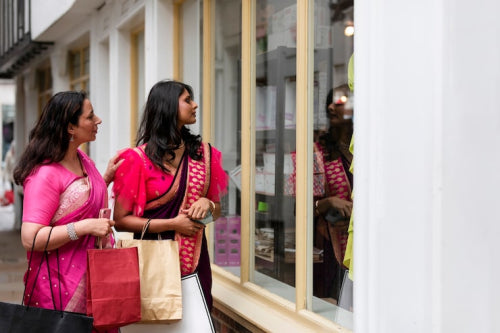
The movement feels particularly vibrant in India, where large-scale fairs draw crowds eager to celebrate national heritage and support local artisans during festivals and cultural events. Yet the same spirit thrives abroad. In the US and UK, pop-up events spotlight ethical fashion and sustainable textiles. Singapore and Australia host multicultural festivals that highlight Indian handloom as a premium, conscious choice. In the UAE, luxury-focused showcases appeal to consumers who value exclusivity and cultural depth.
These cross-border gatherings create vital connections between artisans and global audiences. An attendee in Sydney might discover the same pure cotton shawl that a Delhi shopper admires, forging a shared appreciation that transcends geography. The exhibitions act as cultural ambassadors, carrying India's artisanal excellence to new audiences and strengthening the bond between tradition and contemporary lifestyles.
Directly Addressing Consumer Doubts and Hesitations
Many potential buyers voice familiar concerns: the perception of high pricing, lingering doubts about authenticity and the frustration of not being able to touch and feel products before committing. Exhibitions tackle these objections head-on in ways online platforms simply cannot.
- High pricing: Hands-on interaction reveals the superior quality of pure linen, silk and cotton fabrics and the hours of skilled labour invested, helping consumers understand the true value behind each piece.
- Trust deficit: Meeting artisans face-to-face and learning about direct sourcing from the makers builds immediate confidence and transparency.
- Lack of opportunity to touch and feel: Visitors can run their hands over luxurious materials and examine unique designs up close, eliminating uncertainty and fostering informed decisions.
Brands that source handmade items directly from artisans, emphasising authentic and pure fabrics, find that exhibitions become powerful trust-builders. Consumers leave not only informed but also inspired to make more considered purchases that support living traditions and sustainable practices.
IndieHaat's Commitment to Authentic Connections
At the centre of this movement stands IndieHaat's clear mission: to bring handmade treasures directly from artisans to appreciative customers worldwide. By focusing exclusively on linen, silk and cotton, and championing unique designs born from traditional skills, the brand celebrates craftsmanship in its purest form while preserving India's rich artisanal legacy.
Exhibitions amplify this approach beautifully. They provide the perfect stage to showcase direct sourcing, allowing consumers to meet the makers and understand the journey from loom to wardrobe. Social media platforms including Instagram, Facebook and YouTube further extend the experience, with attendees capturing moments of discovery and sharing them with wider networks, inspiring others who may not have attended in person.
This multi-channel strategy ensures that the education continues long after the exhibition closes, turning one-time visitors into lifelong advocates for handloom and supporting the artisans who keep these traditions alive.
The Future of Handloom Awareness and Sustainable Choices
The growing influence of these exhibitions signals a broader shift in consumer behaviour. People are increasingly drawn to products that honour tradition while embracing sustainability and ethical production. Handloom product market insights highlight how these textiles, woven manually on traditional looms, showcase skilled craftsmanship and cultural heritage, offering intricate designs, eco-friendly processes and unique regional patterns that consumers value more than ever.
Looking ahead, exhibitions will likely become even more innovative, blending physical presence with virtual access to reach audiences everywhere. For consumers in India and the wider target regions, they offer ongoing opportunities to learn, engage and choose consciously, supporting artisan communities while enjoying premium quality fabrics.
Ultimately, the real power of handloom exhibitions lies in their ability to turn awareness into action. Every interaction, every shared story and every thoughtful purchase helps sustain artisan communities and preserve a rich cultural legacy. In a world hungry for meaning and quality, these events remind us that the most beautiful things are still made by hand, one thread at a time.
Frequently Asked Questions
How do handloom exhibitions help consumers make more informed purchasing decisions?
Handloom exhibitions offer immersive, multi-sensory experiences that online platforms and retail displays simply can't replicate. Visitors can touch and feel authentic linen, silk, and cotton fabrics, watch live weaving demonstrations, and speak directly with artisans about sourcing and craftsmanship. This hands-on exposure addresses common hesitations around pricing and authenticity, empowering consumers to make confident, well-informed choices that support sustainable and ethical fashion.
Why are handloom textiles gaining popularity among conscious consumers worldwide?
Handloom textiles are woven manually on traditional looms, showcasing skilled craftsmanship, cultural heritage, and eco-friendly production processes qualities that resonate strongly with today's sustainability-minded shoppers. From India to the US, UK, Singapore, Australia, and the UAE, consumers are increasingly drawn to handloom products for their unique regional patterns, ethical production, and the meaningful stories behind each piece. Exhibitions play a key role in bringing this awareness to global audiences and turning interest into purposeful purchases.
What makes handloom exhibitions an effective tool for promoting India's artisanal heritage internationally?
Handloom exhibitions serve as cultural ambassadors, connecting Indian artisans directly with global audiences across markets like the UAE, Australia, and the UK. Events such as the India Handloom Expo blend traditional craftsmanship with modern innovations like e-commerce integration and interactive storytelling stations, making the experience both educational and accessible. By fostering face-to-face connections between makers and consumers, these exhibitions build trust, preserve India's rich artisanal legacy, and inspire lasting advocacy for handloom traditions.
Disclaimer: The above helpful resources content contains personal opinions and experiences. The information provided is for general knowledge and does not constitute professional advice.
You may also be interested in: 5 Ethnic Outfit Ideas to Wear on Valentine's Day 2025
Fast fashion erodes cultural heritage, sidelining artisans and reducing traditions to trends. At IndieHaat, we champion India's craftspeople with handcrafted sarees, apparel, décor, and skincare rooted in authenticity. Each piece embodies skill and ethical care. Support artisans and preserve India's timeless legacy Shop Now!
Powered by flareAI.co