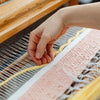
Preservation Techniques for Regional Handloom Crafts
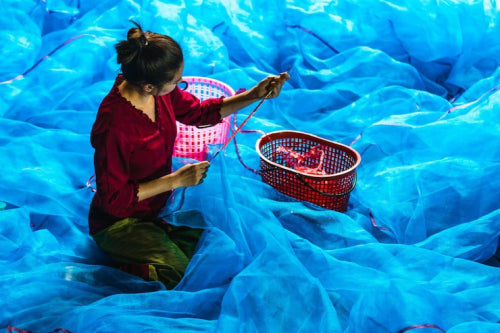
In an era dominated by fast fashion and fleeting trends, the rhythmic clack of a handloom in a sunlit village home or bustling urban workshop carries the weight of centuries of living heritage. These regional handloom crafts are far more than beautiful textiles they are vibrant expressions of skill, cultural identity, and economic resilience. As highlighted in insights on the India saree market, preservation is no longer just about safeguarding old patterns. It is about ensuring that artisans and conscious buyers across India, the US, Singapore, Australia, the UK, and the UAE can continue to experience the tactile joy of authentic linen, silk, and cotton woven directly by human hands.
Fast fashion erodes cultural heritage, sidelining artisans and reducing traditions to trends. At IndieHaat, we champion India's craftspeople with handcrafted sarees, apparel, décor, and skincare rooted in authenticity. Each piece embodies skill and ethical care. Support artisans and preserve India's timeless legacy Shop Now!
The Cultural and Economic Pulse of Handloom Traditions
Handloom crafts sit at the heart of cultural identity across these diverse markets. In India, they form the backbone of countless family legacies, where each saree or dupatta tells a story of region-specific motifs passed down through generations. The same reverence echoes among Indian communities abroad. Families in the US and UK drape themselves in handwoven pieces during weddings and festivals such as Diwali, while buyers in Singapore, Australia, and the UAE seek them out for their timeless elegance and deep connection to roots.
Traditional Techniques That Deserve Safeguarding
At their core, regional handloom crafts rely on methods refined over lifetimes. Think of the intricate jamdani weaves from Bengal or the geometric precision of Pochampally ikat techniques that demand patience, precision, and an intimate knowledge of natural fibres. Artisans work exclusively with pure linen for breathability in India's climate, silk for natural lustre, and cotton for everyday comfort, ensuring every thread remains authentic and free from synthetic shortcuts.
Preservation begins here: by documenting these processes before they fade. Master weavers teach apprentices the subtle differences in tension that create unique designs no machine can replicate. Cooperatives across India pool knowledge, while diaspora groups in the US and Australia organise virtual demonstrations and workshops, keeping skills vibrant even thousands of miles from the original loom.
Innovative Approaches to Heritage Protection
Preservation today blends old wisdom with fresh thinking. Natural dyeing methods using indigo, turmeric, and madder roots are being revived and refined to meet modern eco-standards, reducing water usage while maintaining the vivid colours that define regional styles. Hybrid looms combine traditional wooden frames with ergonomic improvements, helping older artisans work longer without strain.
Digital archiving plays a surprising role. High-resolution scans of rare patterns are shared among weaving clusters, preventing the loss of designs when a single master retires. In the UAE and Singapore, urban studios host pop-up workshops where expats learn basic techniques, creating a new generation of custodians who value the craft even if they don't weave full-time.
Direct Connections Between Artisans and Global Buyers
One of the most powerful preservation tools is shortening the distance between maker and wearer. When buyers purchase handmade items directly sourced from artisans, they support not just a product but an entire ecosystem. These pieces carry unique designs that mass production simply cannot match. Every length of pure linen, silk, or cotton arrives with the knowledge that it was created with care and intention.
This model also tackles real-world hesitations head-on. Premium pricing reflects hours of skilled labour, sustainable materials, and fair compensation for weavers. Trust grows through transparency: clear stories about the artisan, the village, and the technique behind each design. And while nothing replaces touching the fabric in person, detailed photography, video close-ups, and honest descriptions on platforms like Instagram, Facebook, and YouTube help bridge that gap, giving buyers confidence before they commit.
The Role of Social Media and E-commerce in Keeping Traditions Alive
Instagram, Facebook, and YouTube have become unexpected lifelines for handloom preservation. Artisans and curators post time-lapse videos of looms in action, turning abstract heritage into something immediate and relatable. Customers in the US, Australia, and the UK share their own unboxing moments and styling ideas, inspiring others to incorporate these pieces into daily wardrobes rather than reserving them for special occasions.
Platforms allow regional stories to travel globally. A weaver in rural India can connect directly with a buyer in Singapore who wants a custom motif reflecting her family heritage. The result is a virtuous cycle: increased visibility leads to more orders, which in turn sustains the craft and encourages younger people to learn the trade.
- Live demonstrations build emotional connection and combat the “can't touch and feel” concern.
- Behind-the-scenes stories foster trust far better than generic marketing ever could.
- Community challenges on these platforms encourage participants across target regions to experiment with handloom in their own creative ways.
Overcoming Barriers to Wider Appreciation
Despite growing interest, certain challenges persist. The higher price point can feel daunting until buyers understand the true value of ethical production, superior quality, and direct support for artisans. Sourcing handmade items straight from the loom eliminates middlemen, ensuring more of the value reaches the skilled hands that created each piece.
Trust builds when every claim about fabric purity, design origin, and artisan welfare is backed by visible proof rather than promises. The tactile barrier is real, yet creative solutions abound: generous return policies, fabric swatches, rich multimedia content, and virtual try-on features let customers experience the drape and texture before buying. In the end, the effort pays off in a garment that ages gracefully, tells a personal story, and supports real people rather than distant factories.
Looking Ahead: A Shared Future for Handloom Crafts
The path forward lies in collaboration. Governments, communities, and conscious consumers must continue championing GI protection, skill-transfer programmes, and sustainable practices. Designers in the UK and Australia are already blending handloom fabrics with contemporary silhouettes, proving these crafts can evolve without losing their soul. In the US and UAE, corporate gifting programmes featuring authentic pieces introduce handloom to new audiences who then become lifelong advocates.
Ultimately, preservation succeeds when each of us chooses to value the human touch behind every thread. By supporting artisans directly, celebrating unique designs, and insisting on pure, natural fabrics, we keep regional handloom crafts not just alive but thriving across borders. The looms keep turning, the patterns keep evolving, and the heritage keeps enriching lives one thoughtful purchase at a time.
The beauty of these crafts lies in their quiet endurance. They remind us that some things are worth slowing down for, worth paying fairly for, and worth sharing proudly. In homes from Mumbai to Melbourne, from Dubai to Delhi, handloom pieces continue to weave together past, present, and future.
Frequently Asked Questions
What techniques are being used to preserve regional handloom crafts?
Preservation efforts combine traditional knowledge with modern innovation. Master weavers pass down skills like jamdani weaving and Pochampally ikat to apprentices, while cooperatives pool regional expertise. Natural dyeing methods using indigo, turmeric, and madder roots are being revived to meet eco-standards, and digital archiving of rare patterns ensures designs aren't lost when a master artisan retires.
How does buying handloom sarees and textiles directly from artisans help preserve the craft?
Purchasing directly from artisans eliminates middlemen, ensuring more of the value reaches the skilled weavers behind each piece. This direct model sustains entire weaving ecosystems supporting fair wages, encouraging younger generations to learn the trade, and keeping unique, region-specific designs alive. Transparency about the artisan, village, and technique also builds buyer trust and long-term demand.
How are social media and e-commerce platforms helping keep handloom traditions alive globally?
Platforms like Instagram, Facebook, and YouTube have become powerful tools for handloom preservation, allowing artisans to share time-lapse weaving videos and connect with buyers worldwide. A rural Indian weaver can now take custom orders from buyers in Singapore, the US, or the UK, creating a cycle where greater visibility drives more orders and sustains the craft. Behind-the-scenes storytelling and live demonstrations also help overcome the challenge of buyers not being able to touch the fabric before purchasing.
Disclaimer: The above helpful resources content contains personal opinions and experiences. The information provided is for general knowledge and does not constitute professional advice.
You may also be interested in: Weaving a Brighter Future: Unlocking the Power of Artisanal Fashion Education
Fast fashion erodes cultural heritage, sidelining artisans and reducing traditions to trends. At IndieHaat, we champion India's craftspeople with handcrafted sarees, apparel, décor, and skincare rooted in authenticity. Each piece embodies skill and ethical care. Support artisans and preserve India's timeless legacy Shop Now!
Powered by flareAI.co