
Artisan Profiles Bring Transparency to Online Handmade Fashion
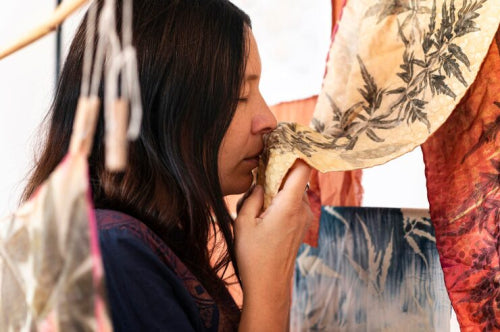
The clack of a wooden loom echoes through a village in Rajasthan, where a weaver threads silk into a saree that will soon grace a digital storefront. This isn't just a product it's a story, one that IndieHaat, a Bangalore-based e-commerce platform, is determined to tell. In an era dominated by fast fashion and faceless transactions, IndieHaat is carving a niche by spotlighting the artisans behind its handcrafted apparel and lifestyle goods. By weaving transparency into every purchase, the platform is not only selling sarees and décor but also trust, authenticity, and a connection to India's rich cultural heritage.
The Surge of Ethical Fashion
Today's shoppers are rethinking their choices. They're drawn to products with a pulse items that carry the weight of tradition and ethical production. A 2024 report from Expert Market Research pegs the global handicrafts market at USD 787.85 billion, with a projected leap to USD 2,403.60 billion by 2034, fueled by an 11.80% CAGR. India leads the charge with a 14.1% CAGR, as consumers worldwide clamor for unique, culturally resonant goods. This isn't just a trend; it's a movement. Gen Z and Millennials, especially in markets like the US, UK, Singapore, Australia, and the UAE, are prioritizing sustainability and craftsmanship over mass-produced alternatives.
IndieHaat captures this shift with a curated selection of sarees, dress materials, Tussar, and linen fabrics, all sourced directly from artisans. Unlike sprawling marketplaces like Amazon or ONDC, IndieHaat's rigorous selection process ensures every item whether a silk saree or handcrafted home décor meets high standards of quality and authenticity. Each product page doubles as a window into the artisan's world, featuring stories that make the purchase feel personal and purposeful.
Artisan Profiles: Building Trust Through Storytelling
Imagine browsing a linen saree on IndieHaat's site. Below the vibrant images, you find a video of a weaver in West Bengal, her hands guiding threads across a loom, her voice narrating the craft passed down through generations. This is the power of artisan profiles stories that transform a transaction into a connection. IndieHaat's platform is rich with these narratives, showcasing weavers, tailors, and block printers from rural India. Photos, videos, and brief bios highlight their techniques and roots, making the human element tangible.
This approach echoes global efforts to uplift artisans. A 2025 AP News report details how Nest Inc., founded in 2005, has empowered over 345,000 entrepreneurs mostly women across 125 countries with training and market access. IndieHaat mirrors this mission, using artisan stories to foster trust among buyers in its target regions: India, the US, Singapore, Australia, the UK, and the UAE. Social media platforms like Instagram, Facebook, and YouTube amplify these stories, with posts showcasing the rhythmic hum of a loom or the delicate art of block printing, drawing in audiences who value authenticity.
Navigating a Skeptical Market
Selling handmade goods online comes with hurdles. High pricing, a frequent customer objection, reflects the labor-intensive nature of crafts like Tussar sarees, which use only pure fabrics such as silk, cotton, or linen. Shoppers also face a trust deficit without the ability to touch or feel a product, they hesitate, especially in a market flooded with questionable “handmade” claims. IndieHaat counters this by meticulously vetting artisans and products, ensuring every item is ethically sourced and authentically crafted. Still, scaling this model across rural India poses challenges. Many artisans lack digital literacy, and onboarding them requires navigating spotty infrastructure while respecting their privacy and cultural sensitivities.
Yet, the effort is paying dividends. A 2025 GlobeNewswire report notes that the ethical fashion market, valued at USD 8.58 billion in 2025, is set to reach USD 11.78 billion by 2030, growing at a 6.50% CAGR. IndieHaat's focus on fair trade and sustainable practices aligns with this trend, helping to dispel skepticism and build a loyal customer base.
The Power of Narrative in Business
IndieHaat's artisan profiles aren't just heartwarming they're strategic. Research shows that storytelling boosts conversion rates by forging emotional connections. When buyers know the hands behind their purchase, they're less likely to return it. This bond also fosters brand loyalty, encouraging repeat purchases and organic sharing on social media. On Instagram, where IndieHaat posts artisan snippets, engagement is strong in markets like the US and Singapore, where followers share posts about unique designs and pure fabrics.
Competitors, like those behind Instagram accounts such as anilarubyraj or varshaoak, often prioritize visuals over depth. IndieHaat stands apart by emphasizing direct sourcing and authentic materials, aligning with the slow fashion movement. Its curated approach sets it apart from mass-produced “artisanal-style” goods, offering buyers a chance to invest in cultural preservation with every purchase.
The numbers back this up. A 2024 Grand View Research report projects the global handicrafts market to hit USD 983.12 billion by 2030, with a 4.9% CAGR, driven by demand for eco-friendly, handmade goods. IndieHaat's model rooted in transparency and quality positions it to capture a growing share of this market.
Looking Ahead: Innovation and Expansion
IndieHaat's vision extends beyond its current offerings. Blockchain technology could soon play a role, verifying artisan identities and product origins to ensure every “handmade” claim is ironclad. Expanding into new categories like eco-friendly home décor or accessories could tap into the rising demand for sustainable lifestyle products. The platform's founder sees a future where every item tells a story of craft, dignity, and environmental stewardship.
IndieHaat's social media presence is also poised for growth. By leveraging Instagram, Facebook, and YouTube, it can reach new audiences in its target regions, sharing artisan stories that resonate globally. This aligns with the broader ethical fashion trend, where, as noted in a 2022 Business Research Company report, the market reached USD 7,548.2 million and is expected to grow to USD 16,819.0 million by 2032 at a CAGR of 8.6%.
A Legacy of Craft and Connection
In a world where algorithms often dictate our choices, IndieHaat offers something rare: a human touch. Every saree, every piece of décor, carries the story of its maker a weaver, a printer, a tailor whose craft is a lifeline to tradition. By prioritizing transparency, IndieHaat isn't just selling products; it's championing a movement. As the global handicrafts market surges and ethical consumption gains momentum, IndieHaat is leading with purpose, proving that every purchase can be an act of connection, preservation, and change.
Frequently Asked Questions
How do artisan profiles help build trust when buying handmade fashion online?
Artisan profiles create transparency by showcasing the real people behind handcrafted products through photos, videos, and stories about their techniques and cultural heritage. This storytelling approach transforms online transactions into personal connections, helping buyers verify authenticity and feel confident about their purchases. When customers can see the weaver creating their saree or learn about traditional block printing methods, it builds trust and reduces the skepticism often associated with "handmade" claims online.
What makes IndieHaat different from other online marketplaces selling handcrafted goods?
Unlike large marketplaces like Amazon, IndieHaat uses a rigorous selection process to curate only authentic handcrafted items sourced directly from artisans across rural India. The platform specializes in traditional textiles like Tussar silk sarees, linen fabrics, and dress materials made from pure fabrics, with each product page featuring detailed artisan stories and videos. This focused approach ensures quality and authenticity while supporting fair trade practices and cultural preservation.
Why is the ethical fashion market growing so rapidly, and how does it benefit artisans?
The global ethical fashion market is projected to grow from $8.58 billion in 2025 to $11.78 billion by 2030, driven by Gen Z and Millennial consumers who prioritize sustainability and craftsmanship over mass-produced items. This growth benefits artisans by providing direct market access, fair compensation, and global recognition for their traditional skills. Platforms like IndieHaat help preserve cultural heritage while empowering over 345,000 entrepreneurs mostly women worldwide through training and market opportunities.
Disclaimer: The above helpful resources content contains personal opinions and experiences. The information provided is for general knowledge and does not constitute professional advice.
You may also be interested in: Mother's Day Gift Guide 2025: Elegant Sarees & Suits from Indiehaat
Fast fashion erodes cultural heritage, sidelining artisans and reducing traditions to trends. At IndieHaat, we champion India's craftspeople with handcrafted sarees, apparel, décor, and skincare rooted in authenticity. Each piece embodies skill and ethical care. Support artisans and preserve India's timeless legacy Shop Now!
Powered by flareAI.co