Comparing Traditional Handloom and Powerloom Practices
In the vibrant markets of India and the thoughtfully designed homes across the US, Singapore, Australia, UK, and UAE, a quiet revolution is reshaping how we select fabrics and home furnishings. Step into a living room adorned with a handwoven linen curtain or wear a silk kurta bearing the gentle, unique marks of human craftsmanship, and the distinction becomes unmistakable the warmth of something created by hand versus the uniformity of machine production. As buyers across these regions become increasingly conscious of their purchases, the longstanding discussion around traditional handloom versus powerloom practices gains fresh importance.
Fast fashion erodes cultural heritage, sidelining artisans and reducing traditions to trends. At IndieHaat, we champion India's craftspeople with handcrafted sarees, apparel, décor, and skincare rooted in authenticity. Each piece embodies skill and ethical care. Support artisans and preserve India's timeless legacy Shop Now!
The Fabric of Tradition and Technology
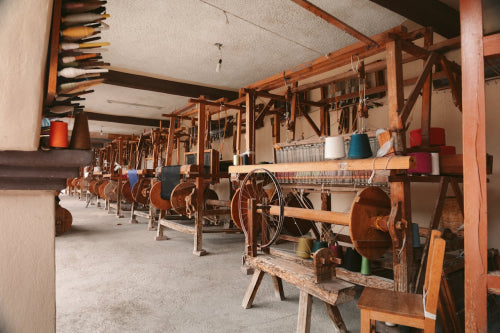
India's handloom sector stands as a living legacy of skilled artisans who work on age-old wooden looms, preserving techniques refined over generations. Each piece carries subtle variations in texture and weave that give it singular character. Powerlooms, on the other hand, bring efficiency and consistency, producing large volumes of uniform fabric that support extensive supply chains.
Both approaches serve important roles in today's textile world. Yet the rising desire for genuine authenticity, responsible production, and cultural heritage is drawing renewed focus to handlooms. Brands such as Indiehaat connect conscious buyers directly with artisans who specialise in pure linen, silk, and cotton creations textiles that carry stories and soul no mass-produced item can match.
Historical Roots and Cultural Resonance
Handloom weaving in India stretches back thousands of years, deeply intertwined with festivals, weddings, and everyday traditions. From the graceful fall of a Banarasi sari during Diwali celebrations to the airy comfort of Khadi kurtas worn in the summer heat, these fabrics embody regional pride and seasonal wisdom. Indian handlooms bring cultural richness to modern interiors in Australia and the UK, while boutique enthusiasts in Singapore and luxury buyers in the UAE value their exclusive appeal.
Powerlooms gained prominence during India's industrial expansion, offering speed and lower costs to meet both local needs and global exports. They integrated Indian textiles into wider international markets effectively. However, this came with trade-offs: standardised patterns that often miss the nuanced adaptability and depth found in handwoven work. In places like the US and UK, where ethical choices matter more than ever, these differences become particularly noticeable.
Craftsmanship Meets Modern Demand
Handloom weaving is deliberate and unhurried. Artisans fine-tune loom tension, weave in personal motifs, and work in harmony with the yarn's natural qualities. The outcome is fabric with excellent breathability and a character that softens beautifully with time and use. At Indiehaat, the collection features pure cotton, linen, and silk sourced directly from artisans, maintaining an unbroken link between creator and customer.
Powerlooms shine when quantity and precision are essential think consistent bed linen sets, large curtain runs, or daily wear garments. Their strength lies in fast fashion cycles and bulk requirements. Yet many rely on synthetic mixes and greater energy consumption, moving further from nature's rhythm. For environmentally aware shoppers in Singapore or Australia, handloom alternatives present a meaningful choice rooted in tradition and care.
Addressing Common Concerns: Price, Trust, and Experience
One frequent hesitation centres on pricing. A finely handwoven linen throw naturally costs more than a similar powerloom version, reflecting the time invested, quality of natural fibres, and fair wages for artisans. Over years of use, however, these pieces often prove wiser investments they hold shape longer, develop a pleasing patina, and become treasured family heirlooms.
Building trust poses another challenge, particularly for online purchases spanning countries. Buyers rightly wonder how to verify genuine handloom and pure fabric claims. Transparent platforms that share artisan journeys, short videos of the weaving process on Instagram, Facebook, and YouTube, and clear sourcing details help overcome this. Customer experiences from the US, UK, and UAE shared openly further strengthen confidence.
The wish to touch and feel the product before buying is completely understandable. Forward-thinking brands address it through high-quality images from multiple angles, optional fabric swatches, and vivid descriptions that capture drape, texture, and weight. Many who take the step with authentic handloom find the sensory memory stays with them, easing future decisions.
Practical Ways to Evaluate Quality
- Look for slight natural variations in weave a hallmark of handloom.
- Check for breathability: pure linen and cotton feel cool in Indian summers.
- Verify artisan stories and direct sourcing claims.
- Consider long-term value rather than initial cost.
Sustainability in Practice
Traditional handloom weaving fits naturally into sustainable living. It requires very little electricity, draws on renewable natural fibres, and creates almost no waste. Many artisans incorporate traditional plant-based dyes and community resources, forming a respectful cycle for both people and the environment. Powerloom operations, though efficient for volume, generally use more energy at industrial scale.
Consumers in India and beyond are actively seeking home products that blend beauty with responsibility. As one verified industry analysis explains, sustainable home décor involves creating spaces that are visually appealing and functional through thoughtful use of natural materials, ethical methods, and adaptable designs for everyday living.
Emerging Trends Bridging Old and New
The current handloom renaissance merges heritage with fresh design sensibilities. Artisans develop fusion patterns that suit contemporary homes whether elegant Dubai villas or minimalist Melbourne apartments. Social media channels like Instagram, Facebook, and YouTube now let buyers witness the weaving process and connect personally with the makers behind their purchases.
Smart scaling strategies help the sector grow responsibly. Small-batch runs, cooperative partnerships, and improved quality standards allow handloom to satisfy rising interest while protecting core values. Powerlooms continue evolving with some greener practices, yet they seldom equal the distinctive cultural resonance and one-of-a-kind appeal of handcrafted textiles.
Why the Distinction Matters for Conscious Consumers
Opting for handloom supports rural artisan communities across India, safeguards traditional skills at risk of fading, and brings unparalleled texture and story into living spaces. In homes throughout the US or UAE, these fabrics add layers of warmth and meaning that factory-made items rarely achieve. The unique designs impossible to replicate exactly by machine become defining features in any room.
Indiehaat maintains a clear focus on pure, authentic fabrics: cooling linen suited to warm climates, luxurious silk for festive occasions, and versatile cotton for regular elegance. Every item comes with the confidence of direct artisan connections, directly addressing common concerns around trust and value.
Making Informed Choices in a Global Market
Neither handloom nor powerloom holds absolute superiority in every situation. The real wisdom lies in matching the textile to your specific needs and values. When uniformity, durability, and affordability for larger requirements matter most, powerloom options serve well. When individuality, environmental care, and connection to living craft traditions are priorities, handloom delivers a rewarding experience.
Across India, the United States, Singapore, Australia, the United Kingdom, and the UAE, thoughtful buyers are making choices that reflect deeper priorities. They look beyond mere fabric to pieces that honour the artisan's hands, respect natural resources, and quietly enhance daily life with beauty and integrity.
The next time you browse for a new cushion cover, festive kurta, or set of bedsheets, take a moment to consider its origins. In that thoughtful pause rests the opportunity to help preserve centuries of craftsmanship while contributing to a more considered future for textiles around the world.
Frequently Asked Questions
What is the main difference between handloom and powerloom fabric?
Handloom fabric is woven manually on traditional wooden looms by skilled artisans, resulting in subtle variations in texture and weave that give each piece a unique character. Powerloom fabric is machine-produced, offering uniformity and high volume at lower costs. While powerlooms excel at consistency and scale, handloom textiles are valued for their breathability, cultural heritage, and the personal craftsmanship woven into every piece.
Is handloom fabric worth the higher price compared to powerloom?
Yes, for many buyers handloom fabric offers superior long-term value despite the higher upfront cost. Because handloom pieces are made from quality natural fibres like pure linen, cotton, or silk and crafted with care, they tend to hold their shape longer, develop a pleasing patina over time, and can even become treasured heirlooms. The price also reflects fair wages for artisans and sustainable production practices, making it a more ethical investment.
How is handloom weaving more sustainable than powerloom production?
Traditional handloom weaving requires minimal electricity, relies on renewable natural fibres, and generates almost no waste many artisans also use plant-based dyes and community resources. In contrast, powerloom operations consume significantly more energy at industrial scale and often incorporate synthetic fibre blends. For environmentally conscious shoppers, choosing handloom textiles is a meaningful way to support eco-friendly production while preserving centuries-old craft traditions.
Disclaimer: The above helpful resources content contains personal opinions and experiences. The information provided is for general knowledge and does not constitute professional advice.
You may also be interested in: Discover Elegant Banarasi Sarees | Indiehaat
Fast fashion erodes cultural heritage, sidelining artisans and reducing traditions to trends. At IndieHaat, we champion India's craftspeople with handcrafted sarees, apparel, décor, and skincare rooted in authenticity. Each piece embodies skill and ethical care. Support artisans and preserve India's timeless legacy Shop Now!
Powered by flareAI.co