
Contemporary Indian Fashion Inspired by Heritage Textiles
Quick Listen:
Indian fashion today stands at a fascinating crossroads where centuries-old traditions meet modern sensibilities. Designers and consumers alike are rediscovering the beauty and relevance of heritage textiles, creating garments that honour craftsmanship while fitting seamlessly into contemporary lifestyles. This revival goes beyond mere nostalgia it reflects a deeper appreciation for authenticity, sustainability, and cultural storytelling in everyday wear.
Fast fashion erodes cultural heritage, sidelining artisans and reducing traditions to trends. At IndieHaat, we champion India's craftspeople with handcrafted sarees, apparel, décor, and skincare rooted in authenticity. Each piece embodies skill and ethical care. Support artisans and preserve India's timeless legacy Shop Now!
The Timeless Appeal of Traditional Indian Textiles
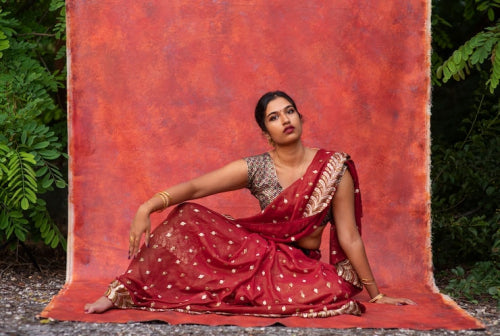
Heritage textiles form the backbone of India's rich sartorial legacy. From the opulent brocades of Banarasi silk to the earthy charm of khadi and the vibrant narratives captured in block prints, these fabrics carry stories woven by skilled artisans across generations. In contemporary Indian fashion, designers are reinterpreting these materials into fresh silhouettes that balance cultural depth with wearability for today's fast-paced lives.
Rather than confining traditional textiles to festive occasions, creators are integrating them into daily wardrobes. A Banarasi silk blouse paired with tailored trousers or a khadi kurta styled with denim reflects this thoughtful fusion. This approach makes heritage accessible while preserving the intricate techniques that define each regional craft.
Why Heritage Textiles Resonate in Modern Times
Consumers increasingly seek clothing with meaning. In India, where cultural identity remains central to self-expression, heritage textiles offer a way to connect with roots without compromising on style.
India's textile heritage continues to inspire a powerful movement in contemporary fashion, where designers draw from centuries-old weaving techniques, intricate embroideries, and regional motifs to create pieces that resonate with modern sensibilities. Fabrics like Banarasi silk with its opulent brocade, rich khadi, and vibrant block prints are being reimagined in fresh silhouettes that blend cultural depth with everyday wearability. This revival is not simply nostalgic but a thoughtful response to consumer demand for authenticity, sustainability, and storytelling in clothing. Artisan's time-honored skills in regions across the country are finding new expression through collaborations that adapt traditional elements into fusion designs suitable for global wardrobes. For businesses like IndieHaat, this trend underscores the commercial viability of heritage textiles, allowing direct support for artisans while meeting the preferences of conscious consumers seeking unique, durable, and culturally meaningful pieces. The integration of these textiles into contemporary fashion helps preserve endangered crafts, empowers rural communities, and positions Indian design on the international stage. As sustainability becomes central to purchasing decisions, the natural, low-impact production methods of handloom textiles offer a compelling alternative to fast fashion. This renaissance strengthens the connection between past and present, ensuring that India's rich textile legacy evolves while retaining its soul, offering opportunities for brands to curate collections that celebrate craftsmanship and cultural identity in accessible, stylish ways.
Artisan's time-honoured skills find new expression through collaborations that adapt ancient motifs and weaving methods into designs suitable for urban professionals, students, and homemakers alike. This evolution helps sustain endangered crafts and empowers rural communities by creating viable livelihoods.
Handloom processes, known for their low environmental impact, align perfectly with growing consciousness around ethical production. Natural fibres and traditional dyeing techniques provide durable, breathable alternatives that stand the test of time qualities particularly valued in India's diverse climates.
Design Innovations Bridging Past and Present
Contemporary Indian designers excel at blending tradition with innovation. They experiment with scale, colour palettes, and garment constructions to make heritage textiles relevant for modern occasions. What was once ceremonial wear transforms into versatile pieces for work, travel, or casual outings.
For instance, intricate embroideries that adorned bridal lehengas now embellish elegant jackets or statement accessories. Block prints, traditionally used on saris, appear on kurtas, dresses, and even home décor items, expanding their appeal across lifestyles. This creative reinterpretation keeps crafts alive while meeting the needs of discerning buyers who value both beauty and functionality.
Brands focused on authentic sourcing, like IndieHaat, play a vital role by connecting consumers directly with craftspeople. Curated collections highlight the journey from loom to wardrobe, fostering appreciation for the human effort behind each piece.
Sustainability and Ethical Considerations in Heritage Fashion
The fashion industry faces scrutiny for its environmental footprint. Traditional Indian textiles offer a compelling counter-narrative through their emphasis on sustainable practices. Handloom weaving typically requires fewer resources than industrial production, and natural fibres like cotton, silk, and wool biodegrade more gracefully.
In the 21st century, traditional textiles have experienced a significant resurgence driven by shifting consumer values toward sustainability, cultural identity, and ethical production. Once overshadowed by synthetic fabrics and fast fashion cycles, heritage materials crafted through meticulous handloom processes are now celebrated for their environmental benefits, superior quality, and rich narratives. This revival addresses earlier declines caused by industrialization and globalization, which marginalized artisanal communities and diminished appreciation for time-intensive crafts. Today, designers and brands are reinterpreting these textiles in innovative ways, fusing ancient techniques with modern aesthetics to create versatile garments that appeal across demographics. Social media and global cultural exchange have accelerated this trend, allowing artisan's stories and skills to reach wider audiences and inspire cross-cultural creativity. For businesses focused on authentic Indian handcrafted fashion, this context presents opportunities to differentiate through genuine artisan partnerships, transparent sourcing, and products that embody both tradition and relevance. Challenges remain, including economic pressures on weavers and risks of cultural appropriation, but thoughtful innovation that respects origins can help overcome them. Ultimately, embracing heritage textiles supports artisan livelihoods, reduces fashion's ecological footprint, and enriches contemporary style with depth and meaning, fostering a more conscious and diverse industry landscape.
By supporting heritage textiles, consumers contribute to preserving artisanal knowledge and reducing reliance on synthetic materials. This choice supports rural economies where many weaving communities reside, creating positive social impact alongside personal style statements.
Challenges persist, including economic pressures on weavers and the need to prevent cultural appropriation. Thoughtful brands address these by ensuring fair compensation, transparent supply chains, and respectful innovation that honours origins.
Cultural Identity and Personal Expression
In a globalised world, many Indians seek ways to express their heritage confidently. Wearing contemporary pieces inspired by regional textiles allows individuals to celebrate diversity within India from the vibrant colours of Rajasthan to the subtle elegance of South Indian weaves.
This trend extends beyond clothing. Home décor items featuring traditional motifs create living spaces that reflect cultural pride. Accessories like stoles, scarves, and jewellery incorporating heritage elements complete looks that feel both rooted and current.
For younger generations, these fusions provide a bridge between family traditions and personal style. A wedding guest might choose a modern anarkali with contemporary embroidery, while a corporate professional opts for a handloom shirt that stands out subtly in meetings.
The Role of E-commerce in Democratising Heritage Fashion
Platforms dedicated to handmade goods have transformed access to authentic Indian textiles. By curating products directly from artisans, marketplaces eliminate middlemen and ensure better returns for craftspeople. This model also educates buyers about the stories and techniques behind each item.
Shoppers across India can now discover regional specialties without extensive travel. Detailed descriptions, artisan profiles, and high-quality visuals help build connections between consumers and creators. This transparency strengthens trust and encourages mindful purchasing decisions.
IndieHaat exemplifies this approach by offering a wide range of apparel, accessories, and home décor that celebrates Indian craftsmanship. Their focus on authenticity resonates with buyers seeking genuine alternatives to mass-produced fashion.
Practical Ways to Incorporate Heritage Textiles
Integrating traditional elements into daily wear requires creativity and confidence. Start small with accessories a printed stole over a simple outfit instantly adds character. Experiment with mixing textures, such as pairing a khadi jacket with contemporary bottoms.
Consider climate appropriateness. Breathable handloom cottons suit humid summers, while warmer woollen weaves work well in cooler regions. Colour coordination with existing wardrobes makes transitions smoother.
Maintenance tips from artisans help preserve these pieces. Gentle hand washing, proper storage away from direct sunlight, and occasional starching for certain fabrics maintain their beauty over years.
Home décor enthusiasts can use cushion covers, table runners, or wall hangings featuring traditional patterns to infuse spaces with cultural warmth. These choices create cohesive environments that celebrate Indian aesthetics.
The Future of Heritage-Inspired Fashion
The conversation around Indian textiles continues to evolve. Designers push boundaries with technology-assisted innovations that respect traditional methods while enhancing scalability. Collaborations between artisans and modern brands open exciting possibilities for global appreciation of Indian crafts.
Consumer preferences will likely drive further integration of heritage elements into mainstream fashion. As awareness grows about the cultural and environmental value of these textiles, demand for thoughtful, well-crafted pieces should strengthen.
Ultimately, contemporary Indian fashion inspired by heritage textiles represents more than a trend. It embodies a commitment to preserving living traditions while adapting them for future generations. By choosing such pieces, individuals contribute to a more sustainable, culturally rich fashion ecosystem.
Exploring curated collections from platforms supporting artisans offers an excellent starting point. Whether building a versatile wardrobe or seeking meaningful gifts, heritage textiles provide options that combine beauty, ethics, and enduring style. The revival ensures India's textile legacy not only survives but thrives, enriching personal and collective identities in beautiful ways.
Frequently Asked Questions
How are traditional Indian textiles being used in contemporary fashion?
Traditional Indian textiles like Banarasi silk, khadi, and block prints are being reimagined in modern silhouettes that suit everyday wear not just festive occasions. Designers are integrating these heritage fabrics into tailored trousers, kurtas, jackets, and accessories, making them accessible for urban professionals, students, and homemakers alike. This fusion preserves centuries-old artisan techniques while meeting the demands of today's fast-paced lifestyles.
Why are heritage Indian textiles considered a sustainable fashion choice?
Heritage Indian textiles are produced through handloom weaving processes that require significantly fewer resources than industrial manufacturing, making them a low-impact alternative to fast fashion. Natural fibres like cotton, silk, and wool used in these textiles are breathable, durable, and biodegradable, aligning with growing consumer demand for ethical and eco-conscious clothing. Choosing these fabrics also directly supports rural artisan communities and helps sustain endangered regional crafts.
Where can I buy authentic Indian handloom and heritage textiles online?
E-commerce platforms dedicated to handcrafted Indian goods such as IndieHaat connect buyers directly with artisans, cutting out middlemen and ensuring fair compensation for craftspeople. These marketplaces offer detailed product descriptions, artisan profiles, and transparent sourcing, helping shoppers discover regional specialties like Rajasthani block prints or South Indian weaves from anywhere in India. Buying through such curated platforms supports both cultural preservation and conscious consumerism.
Disclaimer: The above helpful resources content contains personal opinions and experiences. The information provided is for general knowledge and does not constitute professional advice.
You may also be interested in: The Intersection of Traditional Indian Crafts and Contemporary
Fast fashion erodes cultural heritage, sidelining artisans and reducing traditions to trends. At IndieHaat, we champion India's craftspeople with handcrafted sarees, apparel, décor, and skincare rooted in authenticity. Each piece embodies skill and ethical care. Support artisans and preserve India's timeless legacy Shop Now!
Powered by flareAI.co