
Eco-Friendly Skincare Products Draw on Indias Herbal Traditions
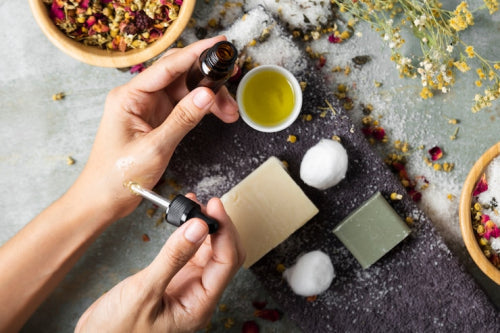
In a vibrant market in Jaipur, the aroma of crushed tulsi and sandalwood fills the air as an artisan meticulously crafts a neem-infused face mask. Her hands, guided by ancestral knowledge, blend ingredients that have soothed Indian skin for centuries. This isn't merely skincare it's a testament to India's herbal heritage, now fueling a global surge in sustainable beauty. As consumers reject synthetic cosmetics, India's time-honored botanicals are driving an eco-conscious skincare revolution, merging tradition with environmental stewardship.
This shift is no fleeting fad; it's a transformative force. The India herbal beauty market, valued at $3.1 billion in 2024, is projected to soar to $10.3 billion by 2033, growing at a robust 14.4% CAGR, according to IMARC Group. The broader herbal products sector, worth $60.52 billion in 2023, is expected to reach $110.08 billion by 2032, with a 6.87% CAGR, driven by rising health awareness and demand for eco-friendly solutions. Consumers, wary of chemical-heavy products, are embracing natural alternatives, propelling brands like IndieHaat to the forefront. Rooted in India's artisan-driven lifestyle sector, IndieHaat leverages traditional recipes to deliver sustainable skincare that resonates globally.
A Herbal Resurgence Rooted in Ayurveda
India's Ayurvedic traditions have long revered plants as potent healers. Turmeric brightens complexions, neem combats blemishes, and aloe vera calms inflammation remedies passed down through generations. Today, these botanicals are at the heart of a global natural beauty movement. The Indian skincare market, valued at $8.78 billion in 2024, is forecasted to hit $17.69 billion by 2033, growing at an 8.43% CAGR, per Astute Analytica. This growth reflects a cultural shift toward organic products, fueled by distrust of synthetic ingredients.
Digital platforms amplify this trend. Social media influences 71% of Indian consumer's skincare discoveries, with Instagram showcasing the radiance of herbal serums. Gen Z and millennials lead the charge, with over 60% engaging in social commerce, particularly in tech-savvy cities like Mumbai and Bangalore. Sustainability is equally critical. The organic personal care market, valued at INR 83.68 billion in 2024, is projected to reach INR 236.34 billion by 2029, growing at a remarkable 23.72% CAGR. Consumers demand biodegradable packaging, cruelty-free practices, and ethically sourced ingredients, especially in urban centers where eco-consciousness reigns.
IndieHaat's Artisanal Advantage
IndieHaat distinguishes itself by fusing heritage with innovation. Its artisans craft skincare infused with ingredients like amla for hair vitality or sandalwood for luminosity, all housed in sustainable packaging. Unlike mass-market brands, IndieHaat's products embody the spirit of India's rural communities, where recipes are family heirlooms. Consider a women's cooperative in Tamil Nadu, blending rosewater and saffron into a rejuvenating mist. Marketed through IndieHaat's platform, it captivates eco-conscious buyers from Delhi to Dubai.
Established brands like Forest Essentials have capitalized on herbal formulations, but IndieHaat's focus on small-scale artisans offers a unique edge. By empowering local creators, it taps into a growing demand for authenticity. The India organic personal care market, valued at $1.07 billion in 2024, is expected to reach $2.43 billion by 2030, with a 14.54% CAGR, according to TechSci Research. This reflects a broader pivot toward chemical-free products, a space where IndieHaat excels.
Navigating the Challenges of Sustainability
The journey to eco-friendly skincare is fraught with obstacles. Sustainable sourcing is a delicate balance overharvesting herbs like sandalwood threatens ecosystems, requiring brands to prioritize environmental stewardship. Certification poses another hurdle. Organic labels demand rigorous scrutiny, yet India's skincare market lacks clear standards for “natural” or “herbal,” allowing some brands to mislead consumers and undermine trust.
Regulatory ambiguity compounds the issue. Without standardized definitions, consumers face a barrage of vague claims, making informed choices difficult. Education is equally challenging. Many still believe synthetic products outperform herbal alternatives, unaware of the efficacy of ingredients like brahmi or ashwagandha. IndieHaat counters this by weaving artisan's stories into its branding, transparently showcasing the power of traditional ingredients.
Seizing Opportunities in Conscious Consumerism
Despite these challenges, the opportunities are vast. Brands embracing sustainability are forging deep connections with consumers. The India skincare market, projected to reach $7.11 billion by 2030 with a 15.78% CAGR, underscores this shift. Women, in particular, drive demand for radiant, wrinkle-free skin through natural solutions, with anti-blemish and anti-tanning creams gaining popularity even in rural areas.
IndieHaat's model is a roadmap for success. Its direct-to-consumer approach, bolstered by e-commerce, ensures accessibility, while partnerships with local farmers enhance credibility. Collaborations with wellness brands could expand its offerings imagine herbal face masks paired with calming teas. As sustainability becomes non-negotiable, brands prioritizing ethical sourcing and transparency will dominate.
The Road Ahead
The future of eco-friendly skincare in India is luminous, blending herbal wisdom with modern innovation. By 2033, the market's projected growth signals a seismic shift toward sustainability. Consumers must navigate this landscape wisely, verifying certifications and researching brands to ensure authenticity. For businesses, transparency and eco-friendly practices are not just ethical imperatives but strategic advantages.
IndieHaat leads this charge, proving that artisans can spearhead a global movement. Its products, steeped in India's herbal legacy, offer more than beauty they embody a commitment to the planet. The next time you choose a face cream, pause to consider its story. A jar of tulsi-infused balm may carry the soul of a Kerala village, crafted with care for both you and the earth.
Disclaimer: The above helpful resources content contains personal opinions and experiences. The information provided is for general knowledge and does not constitute professional advice.
You may also be interested in: Top 10 Mehendi Outfit Ideas: Elegant & Trendy Looks for Mehendi
Fast fashion erodes cultural heritage, sidelining artisans and reducing traditions to trends. At IndieHaat, we champion India's craftspeople with handcrafted sarees, apparel, décor, and skincare rooted in authenticity. Each piece embodies skill and ethical care. Support artisans and preserve India's timeless legacy Shop Now!
Powered by flareAI.co