
Educating Consumers on Regional Handloom Techniques
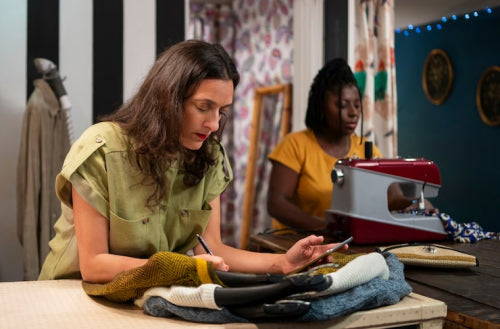
In a world increasingly dominated by fast fashion and mass-produced textiles, there's a quiet revolution happening in the homes and workshops of skilled artisans across India. "Reviving Regional Handlooms: Educating Consumers on Craftsmanship and Cultural Heritage" isn't just a trend it is a heartfelt return to roots that conscious consumers in India, the US, Singapore, Australia, the UK, and the UAE are embracing warmly. These handcrafted pieces carry stories of tradition, patience, and unmatched skill that machines simply cannot replicate.
Fast fashion erodes cultural heritage, sidelining artisans and reducing traditions to trends. At IndieHaat, we champion India's craftspeople with handcrafted sarees, apparel, décor, and skincare rooted in authenticity. Each piece embodies skill and ethical care. Support artisans and preserve India's timeless legacy Shop Now!
Why Regional Handlooms Continue to Matter
Handloom weaving in India represents far more than a mere craft; it is a vibrant, living heritage handed down through generations. Every region offers its own distinctive techniques, motifs, and materials shaped by local culture, climate, and history. For mindful buyers in bustling cities like Mumbai, Delhi, or Bengaluru, as well as in New York, Singapore, Sydney, London, or Dubai, these textiles provide a genuine connection to authenticity amid a disposable culture.
What truly distinguishes handloom is the exclusive use of pure, natural fabrics primarily linen, silk, and cotton. These materials breathe naturally, age with grace, and bear the subtle variations that make every piece one-of-a-kind. Shoppers exploring Instagram, Facebook, and YouTube are discovering not just garments, but wearable art directly sourced from artisans.
This growing movement perfectly matches the rising desire for mindful consumption. Buyers today want to understand the hands behind their clothes and support livelihoods that preserve cultural identity while meeting contemporary needs.
Signature Regional Handloom Techniques Across India
India's handloom heritage is remarkably diverse. In Varanasi, also known as Banaras, artisans craft luxurious silk sarees with intricate brocade work. Fine zari threads of gold and silver are woven painstakingly into rich patterns of flowers, leaves, and geometric designs. The resulting fabric possesses a distinctive sheen and elegant drape that feels special with every wear.
In Tamil Nadu and Andhra Pradesh, the ikat technique creates striking patterns with blurred edges. Artisans tie and dye the yarns before weaving, a process demanding precise calculations and years of expertise. Gujarat's famed Patola sarees elevate double ikat to extraordinary complexity, with both warp and weft resist-dyed a demanding method mastered by only a few.
West Bengal's Jamdani weaving introduces extra weft threads to form delicate, embroidered-like motifs on fine cotton. This technique requires incredible dexterity as artisans work directly on the loom without pre-drawn patterns. Meanwhile, khadi the hand-spun and hand-woven cotton that played a key role in India's freedom movement remains a powerful symbol of simplicity and self-reliance.
Each technique carries deep regional narratives: the floral abundance of Banarasi weaves echoes the city's historic gardens, while South Indian temple-inspired motifs reflect spiritual devotion.
Diverse Motifs and Their Cultural Significance
From the geometric precision of Kanchipuram borders to the narrative scenes in Chanderi weaves, these designs connect wearers to India's rich artistic traditions. Contemporary adaptations allow these motifs to grace modern wardrobes without losing their soul.
The Digital Boost to Handloom Awareness
Social media platforms have dramatically changed how consumers discover and appreciate handloom. Artisans and curators post behind-the-scenes videos on Instagram and YouTube, revealing the months-long journey behind a single saree or kurta. Buyers in Singapore or London can now witness a weaver in rural Odisha setting up a loom or a dyer preparing natural colours.
This transparency directly addresses common hesitations. Many pause at the higher prices compared to machine-made options, but learning about the extensive labour involved often spanning weeks or months helps place the true value in perspective. Direct sourcing from artisans builds trust by eliminating unnecessary middlemen and ensuring authenticity.
Authentic Materials: Pure Linen, Silk, and Cotton
The true magic of handloom lies in both technique and material purity. Pure linen delivers unmatched breathability, ideal for humid Indian summers or warm days in Australia. Silk offers natural lustre and excellent temperature regulation, while premium cotton provides softness that only improves with every wash.
These natural fibres support sustainable values. They biodegrade naturally and come from renewable sources when responsibly produced. Consumers across all target regions increasingly seek items that honour both cultural heritage and environmental responsibility.
Addressing Common Objections to Handloom Purchases
High pricing remains a frequent concern, yet it reflects fair compensation for skilled craftsmanship and superior materials. Investing in a handloom piece means supporting entire artisan communities and acquiring garments designed to last for years rather than seasons.
Trust develops through complete transparency sharing stories of specific artisan clusters, maintaining direct relationships, and delivering consistent quality. Many first-time buyers begin with smaller items like scarves or cushion covers before moving to larger garments, building confidence gradually.
The challenge of not being able to touch and feel products online is valid. However, high-resolution photography, fabric swatches where possible, detailed descriptions of texture and drape, and genuine customer experiences help bridge this gap effectively. Once experienced in person, the superior quality often creates lifelong enthusiasts.
Handloom in Contemporary Lifestyles
Modern handloom extends well beyond traditional attire. Contemporary designers skillfully blend regional techniques with updated silhouettes imagine breathable linen kurtas ideal for professional settings in Dubai or elegant silk blouses that move seamlessly from meetings to evening events in Singapore. Handloom home textiles, such as bed linen and throws, bring the same artisanal warmth into living spaces.
This creative fusion keeps ancient traditions vibrant and relevant. Younger consumers especially value the uniqueness: no two handloom pieces are ever identical, offering a refreshing contrast to the uniformity of fast fashion.
Preserving Heritage Through Conscious Choices
Supporting regional handlooms ensures these precious skills endure. As veteran artisans seek apprentices and younger generations consider urban careers, conscious purchasing provides vital economic encouragement to sustain the craft.
The handloom sector continues to thrive, driven by strong consumer demand for sustainable, unique, and culturally significant products, with Asia Pacific playing a leading role. This is not mere nostalgia but a meaningful commitment to human creativity and cultural diversity in our increasingly automated world.
Embracing Handloom with Intention
Begin your handloom journey by exploring regional specialties that speak to your personal style and values. Follow passionate artisans and trusted curators on social media. Ask thoughtful questions about origins and techniques. Select pieces that resonate with both your aesthetic preferences and deeper principles.
Whether choosing an everyday cotton saree in Chennai or a statement silk piece in London, each purchase connects you to a larger narrative of preservation and appreciation. The beauty of handloom rests in its honest imperfections and profound humanity. By embracing it, we do more than acquire beautiful textiles we honour the skilled hands, enduring traditions, and timeless stories that make them truly extraordinary.
Frequently Asked Questions
What makes Indian regional handloom textiles different from mass-produced fabrics?
Indian regional handlooms are crafted using time-honored techniques passed down through generations, making each piece truly one-of-a-kind. Unlike mass-produced textiles, they use pure natural fibers linen, silk, and cotton that breathe naturally and age beautifully. Techniques like Banarasi brocade, ikat weaving from Tamil Nadu and Andhra Pradesh, and West Bengal's intricate Jamdani work reflect distinct cultural stories that machines simply cannot replicate.
Why are handloom sarees and textiles priced higher than regular clothing?
The price of handloom textiles reflects the true cost of skilled artisanship, premium natural materials, and weeks or even months of labor that go into each piece. When you buy directly from artisans or trusted curators, you also eliminate middlemen, ensuring fair compensation reaches the weavers. Investing in handloom means owning a garment built to last for years rather than seasons making it more economical and sustainable in the long run.
How can I identify and buy authentic handloom products online?
Look for sellers who offer transparency about their sourcing including the specific artisan clusters, weaving regions, and techniques used. Trustworthy platforms typically provide high-resolution photography, detailed fabric descriptions covering texture and drape, and genuine customer reviews. Starting with smaller items like scarves or cushion covers is a great way to experience the quality firsthand before investing in larger handloom garments like silk sarees or linen kurtas.
Disclaimer: The above helpful resources content contains personal opinions and experiences. The information provided is for general knowledge and does not constitute professional advice.
You may also be interested in: Unveiling the Fabric of Creation: 8 Techniques That Shape Our Textiles
Fast fashion erodes cultural heritage, sidelining artisans and reducing traditions to trends. At IndieHaat, we champion India's craftspeople with handcrafted sarees, apparel, décor, and skincare rooted in authenticity. Each piece embodies skill and ethical care. Support artisans and preserve India's timeless legacy Shop Now!
Powered by flareAI.co