
Handloom Dress Material Gains Popularity for Custom Tailoring
Quick Listen:
In an era dominated by the relentless pace of fast fashion, a quiet but powerful shift is taking place. From the vibrant markets of Mumbai to the sleek boutiques of Singapore, handloom dress materials those meticulously crafted swaths of linen, silk, and cotton are captivating a new generation of style-conscious consumers. These fabrics, woven by skilled artisans, are more than mere textiles; they are threads of heritage, individuality, and sustainability. Leading this movement is IndieHaat, an e-commerce platform that champions artisanal craftsmanship, connecting weavers in India with buyers across the US, UK, Australia, Singapore, and the UAE. As custom tailoring surges in popularity, IndieHaat is redefining fashion by offering fabrics that invite personalization and preserve tradition.
The revival of handloom is no fleeting trend. A 2024 report by Fortune Business Insights projects the global handloom products market to grow from $8.32 billion to $16.62 billion by 2032, with a robust CAGR of 9.24%. Asia Pacific, holding a 55.77% market share, drives this growth, fueled by a rising demand for eco-friendly and culturally significant textiles. Consumers are rejecting the uniformity of mass production, seeking instead the authenticity and craftsmanship that handloom delivers. For IndieHaat, this is more than a market opportunity it's a mission to honor artisans and empower buyers to create garments that tell their own stories.
The Bespoke Renaissance
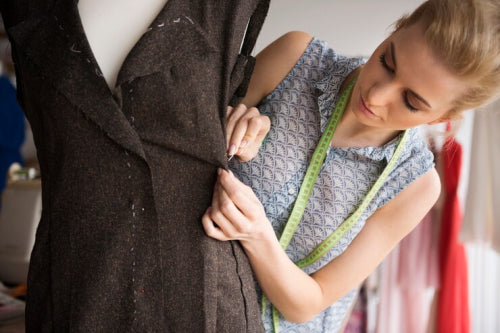
Custom tailoring is reshaping the fashion landscape, and handloom fabrics are at its core. In cities like Delhi, Dubai, and London, where individuality is prized, buyers are turning away from generic ready-to-wear clothing. The custom-made clothes market, valued at $57.55 billion in 2024, is expected to reach $145.94 billion by 2033, growing at a CAGR of 10.9%. This surge reflects a desire for garments that fit perfectly, reflect personal style, and carry a sense of exclusivity. Handloom fabrics, with their unique textures and patterns, are the ideal medium for this bespoke revolution.
Social media platforms Instagram, Facebook, and YouTube are amplifying this shift. IndieHaat's customers, such as those behind Instagram accounts like @anilarubyraj and @svishala74, share stunning transformations, turning handwoven fabrics into sarees, kurtas, and modern dresses. These platforms are more than marketplaces; they're stages for inspiration. YouTube videos capture the rhythmic clack of looms and the artistry of weavers, while influencers narrate the journey from raw fabric to finished garment. This storytelling, rooted in authenticity, is something mass retailers struggle to replicate.
The rise of slow fashion further fuels this trend. Unlike fast fashion's reliance on energy-intensive factories, handloom production is inherently sustainable, using manual looms and natural fibers. A 2020 study highlighted the failure of large companie's voluntary efforts to reform textile supply chains, often undermined by greenwashing. IndieHaat counters this by offering only pure linen, silk, and cotton fabrics that are durable, breathable, and imbued with the spirit of their creators. This commitment resonates with eco-conscious buyers in the UK and US, where sustainability is a growing priority.
IndieHaat's Distinctive Craft
What makes IndieHaat stand out in a competitive field? It's the direct connection to artisans. Unlike competitors like Fabindia or Jaypore, which also promote handcrafted textiles, IndieHaat eliminates middlemen, ensuring fair wages and authentic craftsmanship. Drawing inspiration from regions like West Bengal's Shantipur Handloom Industry, known for its iconic cotton sarees, IndieHaat offers fabrics with designs as distinctive as the artisans who weave them. While brands like Suta focus on pre-stitched garments, IndieHaat empowers buyers to co-create, providing raw materials for tailors to transform into bespoke pieces.
This artisan-first approach resonates globally. In Australia's Indian diaspora communities or the UAE's luxury markets, IndieHaat's fabrics are gaining traction. Instagram posts, like one from @drminimalhotra showcasing a silk saree reimagined as a contemporary gown, highlight the versatility of these materials. These visuals don't just sell they spark creativity, bridging the gap between weaver and wearer across continents.
Yet, challenges persist. High pricing is a frequent concern, with some customers comparing handloom costs to cheaper synthetic alternatives. However, the handloom products market is projected to grow from $8.3 billion in 2023 to $15.6 billion by 2030, with a CAGR of 9.3%, driven by buyers who value the labor-intensive artistry behind each piece. IndieHaat emphasizes this, noting that a single yard of fabric can take days to weave, reflecting the skill and dedication of its makers.
Building Trust Through Transparency
Online retail poses another hurdle: the inability to touch and feel fabrics. IndieHaat addresses this with detailed sourcing stories and high-resolution images, while YouTube and Instagram videos showcase artisans at work. Testimonials from customers like @varshaoak lend credibility, but the tactile limitation remains. Competitors like Okhai and Chidiyaa face similar issues, yet IndieHaat is innovating with plans for augmented reality (AR) previews, allowing buyers to visualize fabrics in 3D a potential game-changer for e-commerce.
Trust also hinges on authenticity. In a market wary of greenwashing, IndieHaat's use of unadulterated linen, silk, and cotton aligns with the sustainable fabrics market, expected to reach $27.8 billion by 2029 with a CAGR of 8.1%. Unlike retailers that mix synthetic fibers to cut costs, IndieHaat's commitment to pure materials builds confidence among buyers in Singapore and the US, where eco-consciousness drives purchasing decisions.
A Global Weave of Opportunity
The handloom surge is more than a trend it's a thriving micro-economy. Artisans in India's weaving hubs, from Shantipur to Phulia, are reaching new markets through platforms like IndieHaat. In Singapore and Australia, where Indian fashion is gaining ground, custom tailoring fosters cultural connections. A 2023 report by Spherical Insights forecasts the handloom product market to hit $18.6 billion by 2033, with North America as the fastest-growing region, thanks to digital platforms that enhance accessibility and brand awareness.
For consumers, handloom offers a chance to own something unique, sustainable, and personal. For IndieHaat, the opportunity lies in storytelling linking artisans to a global audience. Unlike competitors like Dressfolk, which prioritize modern designs, IndieHaat preserves centuries-old techniques, making each fabric a piece of cultural heritage.
The Future of Fashion
For designers, influencers, and conscious buyers, IndieHaat's handloom dress materials are a call to create. A bolt of handwoven silk is more than fabric; it's a canvas for self-expression, a tie to tradition, and a step toward sustainability. As India's looms continue their rhythmic dance, they're weaving a future where fashion is as profound as it is beautiful. Visit IndieHaat's collections, and you may find yourself crafting a story uniquely yours.
Disclaimer: The above helpful resources content contains personal opinions and experiences. The information provided is for general knowledge and does not constitute professional advice.
You may also be interested in: Kota Doria: The Timeless Fabric of Rajasthan - History, Evolution
Fast fashion erodes cultural heritage, sidelining artisans and reducing traditions to trends. At IndieHaat, we champion India's craftspeople with handcrafted sarees, apparel, décor, and skincare rooted in authenticity. Each piece embodies skill and ethical care. Support artisans and preserve India's timeless legacy Shop Now!
Powered by flareAI.co