How Consumer Education Can Shift Perceptions About Handmade Pricing

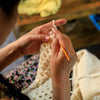
In a vibrant Bangalore workshop, an artisan's hands glide over a loom, crafting a linen saree with the skill of centuries. Each thread carries a legacy of tradition, yet when this saree appears on a shopper's screen in London or Sydney, it often sparks hesitation: “Why does it cost so much?” The answer lies beyond the fabric in a lack of awareness about the craftsmanship behind it. Consumer education is now closing this gap, reshaping value perceptions across India, the US, Singapore, Australia, the UK, and the UAE, and empowering brands like IndieHaat to lead the charge.
Fast fashion erodes cultural heritage, sidelining artisans and reducing traditions to trends. At IndieHaat, we champion India's craftspeople with handcrafted sarees, apparel, décor, and skincare rooted in authenticity. Each piece embodies skill and ethical care. Support artisans and preserve India's timeless legacy Shop Now!
Consumer Education Reshapes Handmade Pricing
Handcrafted goods, from silk apparel to intricately carved décor, command prices reflecting extensive labor, premium materials, and limited production. However, as research from the Review of Industrial Organization highlights, many consumers resist these costs, unaware of the human connection driving their value. The study underscores that platforms like Etsy, founded in 2005, thrive by emphasizing that real artisans create every item, fostering buyer engagement through authenticity. IndieHaat, a Bangalore-based e-commerce platform, mirrors this ethos, curating high-quality, ethically produced goods sourced directly from artisans to shift perceptions in its six key markets.
The global handicrafts market, valued at USD 787.85 billion in 2024, is set to grow at a CAGR of 11.80% through 2034, reaching USD 2,403.60 billion, fueled by a rising appreciation for cultural heritage. Yet, misconceptions linger. Shoppers on platforms like Amazon and ONDC often compare artisan products to mass-produced alternatives, overlooking the artistry involved. IndieHaat's mission to empower artisans and preserve India's handcrafted traditions relies on bridging this knowledge divide through transparency and storytelling.
India's Transparency-Driven Shift
In India, IndieHaat's home base, government initiatives are catalyzing a transparency revolution. The Ministry of Micro, Small and Medium Enterprises (MSME) reports a boom in micro-artisan enterprises, with platforms like ONDC facilitating direct-to-consumer sales. Buyers are drawn to narratives about the artisan's craft whether it's a weaver's village or the natural dyes used making higher prices more justifiable. IndieHaat leverages Instagram Reels to showcase artisans at work, while craft festivals in Odisha and West Bengal amplify appreciation for labor-intensive textiles. State handloom data reveals that consumers informed about handloom techniques are 20–40% more willing to pay premium prices, a trend IndieHaat capitalizes on with its curated apparel and décor collections.
Consider Tussar silk from Odisha: a single saree may require weeks of meticulous weaving. Without context, its price seems exorbitant compared to machine-made options. IndieHaat counters this by sharing artisan stories on Instagram and Facebook, emphasizing the use of authentic, pure fabrics linen, silk, and cotton as key differentiators. This approach transforms price objections into appreciation for cultural and ethical value.
Global Trends in Artisan Awareness
In the US, the “slow fashion” movement is gaining momentum, particularly in urban hubs like New York and California. Research indicates a growing preference for ethical, small-batch goods, yet many consumers still perceive handmade items as overpriced. Studies show that sharing “maker stories” boosts per-transaction spending, but education gaps persist. IndieHaat aims to emulate platforms like Etsy, which prioritize human connection but face challenges in conveying fair labor costs. By offering curated products with transparent provenance, IndieHaat addresses trust concerns, tackling objections like “uncertainty about material authenticity.”
Singapore's government-backed initiatives, led by the National Arts Council, are elevating consumer understanding. Craft fairs along Orchard Road and workshops at the National University of Singapore demonstrate weaving and dyeing techniques, encouraging buyers to value craftsmanship. In Australia, programs promoting Aboriginal art have proven that education enhances pricing acceptance, with galleries showcasing cultural significance driving higher sales. IndieHaat could adapt this model for its home décor and accessories, aligning with Australia's sustainable-luxury segment.
In the UK and UAE, affluent buyers are fueling demand for curated handmade goods. UK craft councils report that educational campaigns have increased textile sales, while Dubai's Design District links craftsmanship to prestige through consumer sessions. IndieHaat's emphasis on pure fabrics and unique designs resonates with these luxury markets, but persistent objections like “high pricing” require clear, process-driven communication to overcome.
Why Pricing Misconceptions Endure
Several barriers sustain the pricing disconnect. Handmade production is inherently time-consuming often taking days for a single piece yet this effort remains invisible to many buyers. Mass-produced goods, with their cost efficiencies, create unrealistic price expectations. On platforms like Amazon, IndieHaat's artisan products compete visually with cheaper alternatives, leading to confusion. Additionally, a trust deficit, as noted in IndieHaat's objections list, causes shoppers to question material purity or authenticity, especially without tactile interaction.
These issues are not exclusive to IndieHaat. A study from Loughborough Design School found that consumers associate craft with emotional value but often hold preconceptions about its cost. The research, based on consumer surveys and industry interviews, confirms that education about labor and materials significantly boosts willingness to pay a “handmade premium.” This insight underscores the transformative potential of informed buyers.
Opportunities Through Education
Consumer education yields measurable benefits across IndieHaat's markets. In India, it fuels domestic demand for handlooms. In the US and UK, it drives acceptance of ethical premiums. Singapore and the UAE see increased investment in culturally rich goods, while Australia's sustainable-luxury segment expands. For IndieHaat, education enhances its curated platform, reducing objections and improving conversions. Transparent pricing breakdowns detailing labor hours, material costs, and artisan wages build credibility and set it apart from mass-market competitors.
Storytelling fosters community and loyalty. By sharing artisan narratives on Instagram, Facebook, and YouTube, IndieHaat makes products personal a weaver's journey in West Bengal or a block-printer's craft in Rajasthan resonates deeply. This approach counters objections like “it looks similar to cheaper options” by highlighting uniqueness. Certification badges verifying pure linen or silk further bolster trust, addressing concerns about authenticity for online shoppers unable to touch the product.
Strategic Recommendations
To harness this shift, IndieHaat should create region-specific educational content explaining weaving, block-printing, and dyeing processes. Instagram Live sessions with artisans could engage audiences in India, the UK, and the UAE, where visual storytelling thrives. Messaging should be tailored: heritage and community empowerment for India, sustainability for the US and UK, prestige for Singapore and the UAE, and environmental impact for Australia. Price-breakdown graphics illustrating material and labor costs would directly address “high pricing” objections. Provenance badges certifying authenticity could mitigate trust deficits, particularly for international buyers.
A Vision for Handmade Value
With the global handicrafts market poised to reach USD 2.4 trillion by 2034, the future of handmade pricing hinges on understanding. IndieHaat, with its artisan-centric ethos and curated approach, is well-positioned to drive this transformation. By embedding education through compelling stories, transparent pricing, and verified authenticity it's not merely selling apparel or décor; it's inviting consumers in India, the US, Singapore, Australia, the UK, and the UAE to cherish the hands behind each creation. In an era dominated by fast fashion, this is a revolution rooted in craft, culture, and connection.
Frequently Asked Questions
How can consumers better understand the value of handmade pricing?
Consumers can understand handmade pricing by learning about the artisan's process, the quality of materials, and the time invested in each piece. The blog emphasizes that storytelling sharing the maker's journey and the care behind the craft helps customers see the worth beyond the price tag. This transparency builds appreciation for the artistry and justifies the cost.
Why are handmade products so expensive compared to mass-produced items?
Handmade products often have higher prices due to the time-intensive craftsmanship, premium materials, and small-batch production processes involved. Unlike mass-produced items, each handmade piece requires hours of skilled labor, which increases costs. Educating consumers about these factors, as highlighted in the blog, helps them appreciate the unique value and quality of handmade goods.
What are effective ways to explain handmade product pricing to customers?
To explain handmade pricing, artisans should focus on educating customers about the craftsmanship, unique materials, and limited production scale, as discussed in the blog. Sharing behind-the-scenes details, like the hours spent or the sourcing of eco-friendly materials, creates a connection. This approach, paired with clear communication, helps customers value the product and feel confident in their purchase.
Disclaimer: The above helpful resources content contains personal opinions and experiences. The information provided is for general knowledge and does not constitute professional advice.
You may also be interested in: Fast Fashion vs. Slow Fashion: Understanding the Shift Towards
Fast fashion erodes cultural heritage, sidelining artisans and reducing traditions to trends. At IndieHaat, we champion India's craftspeople with handcrafted sarees, apparel, décor, and skincare rooted in authenticity. Each piece embodies skill and ethical care. Support artisans and preserve India's timeless legacy Shop Now!
Powered by flareAI.co