
How Consumer Taste Is Shifting From Occasion Wear to Everyday Handloom
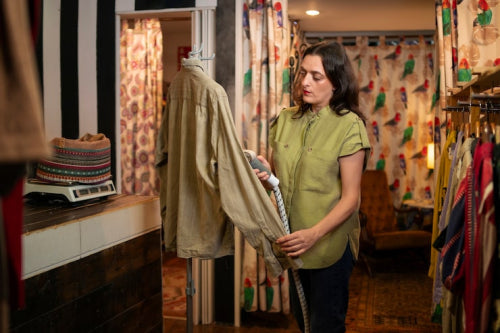
In wardrobes stretching from the bustling streets of Mumbai to the sunlit avenues of Melbourne, a quiet but profound change is taking hold. Garments once carefully preserved for weddings, religious festivals, and important family celebrations exquisite pieces woven by hand in pure linen, silk, or cotton are now stepping into everyday life. A soft linen kurta becomes the natural choice for morning meetings, a delicately handwoven silk top pairs effortlessly with tailored trousers for the workday, a lightweight cotton saree feels perfectly at ease during casual weekend outings. This movement is far more than a passing trend; it represents a deliberate redefinition of how people wish to present themselves: comfortable, intentional, and rooted in authenticity.
From India to the United States, Singapore, Australia, the United Kingdom, and the United Arab Emirates, consumers are steadily moving handloom away from its traditional role as occasion-only attire and welcoming it into daily wardrobes. The motivations differ across borders environmental awareness in some places, cultural reconnection in others, visual inspiration through digital platforms everywhere but the direction remains consistent: handloom is no longer reserved for special dates on the calendar.
Fast fashion erodes cultural heritage, sidelining artisans and reducing traditions to trends. At IndieHaat, we champion India's craftspeople with handcrafted sarees, apparel, décor, and skincare rooted in authenticity. Each piece embodies skill and ethical care. Support artisans and preserve India's timeless legacy Shop Now!
The Global Spread of Everyday Handloom
The enduring power of handloom lies in its human imprint. Every thread carries the rhythm of a weaver's hands; every slight variation in texture or color tells a story that no factory can imitate. That human element now speaks louder than ever. In India, where handloom heritage remains deeply woven into the national fabric, city professionals in metropolitan centers routinely select breathable cotton kurtas or airy linen ensembles for routine days. The fabrics suit humid climates naturally, while the knowledge that each purchase supports living artisans brings an understated sense of purpose.
The same instinct appears, reshaped by local context, in other parts of the world. Eco-aware shoppers in the US and UK fold handloom scarves, shirts, and lightweight dresses into professional and weekend wardrobes. Australian consumers, long attuned to sustainability questions, gravitate toward durable handwoven textiles suited to an active, outdoors-oriented lifestyle. Singapore blends heritage craftsmanship with sharp contemporary tailoring, producing handloom pieces ideal for both humid weather and corporate environments. In the UAE, cultural pride and cosmopolitan influences converge, encouraging both diaspora communities and residents to wear authentic handloom garments for relaxed daily elegance as well as heritage occasions.
Market data confirms the breadth of this transition. The global ethnic wear market, intimately connected to handloom traditions, demonstrates sustained expansion. It is projected to reach USD 198,178.9 million by 2033, advancing at a compound annual growth rate of 6.97% between 2025 and 2033. Among the principal forces: a 50% increase in demand for sustainable fabrics, 70% of products now accessible online, and a clear preference shift more than 50% of millennials and Gen Z consumers in South Asia now choose lighter, modern ethnic-inspired clothing for regular wear instead of reserving it for ceremonial use.
Sustainability as the Central Driver
Underpinning much of this change is a widening rejection of fast fashion's environmental toll. Handloom aligns seamlessly with the principles of slow fashion: limited production runs, entirely natural fibers, and a significantly reduced ecological impact. The commitment to authentic and pure fabrics only linen, silk, and cotton avoids heavy chemical processing and yields longer-lasting garments.
India's textile manufacturing sector, valued at USD 128.28 billion in 2024, is forecast to climb to USD 190.57 billion by 2033 with a 4.15% CAGR, fueled in part by the expansion of sustainable and eco-friendly production methods. National policies such as the Production Linked Incentive scheme, combined with rising demand for organic materials, continue to accelerate progress. Internationally, industry analyses point to a 50% surge in consumer preference for sustainable ethnic fashion, encompassing handloom textiles and environmentally responsible dyeing techniques.
Shoppers in the United Kingdom and Australia respond strongly to national circular economy frameworks, while Singapore's Green Plan 2030 and the UAE's sustainability ambitions highlight the growing appetite for ethically produced, premium imports. When daily values and wardrobe choices converge, handloom naturally migrates beyond festive contexts.
Social Media's Role in Normalizing Daily Wear
Instagram, Facebook, and YouTube have transformed handloom from a niche interest into a living, visible conversation. Creators demonstrate practical styling pairing a handwoven kurta with contemporary sneakers, draping a feather-light silk saree for daytime events, layering a cotton dupatta over western silhouettes. Reels and stories present traditional weaves in fresh, approachable ways.
These platforms enable artisans and small brands to speak directly to international audiences, linking village looms to city wardrobes across the US, Singapore, Australia, the UK, and the UAE. Greater visibility steadily dismantles the old perception that handloom belongs exclusively to Diwali, Eid, or wedding seasons.
Regional Snapshots of Adoption
In Indian cities, commuters routinely combine handloom kurtas with jeans or chinos for professional settings. American designers integrate handloom textiles into consciously made everyday lines that attract slow-fashion advocates. Singapore's premium boutiques present refined handloom silhouettes engineered for tropical climates and office schedules. Australian buyers prize the longevity and low environmental footprint of handwoven materials. In the UK, city professionals incorporate handloom blouses and scarves into ethical wardrobes, while UAE shoppers weave heritage-inspired pieces into relaxed daily routines.
Digital marketplaces remain essential bridges. They emphasize handmade items directly sourced from artisans, unique designs, and authentic and pure fabrics (only linen, silk, and cotton), forging trust and demonstrating practical versatility on a global scale.
Addressing Enduring Obstacles
Progress is rarely frictionless. The craftsmanship that gives handloom its value also keeps prices elevated a persistent barrier in cost-conscious markets such as India and parts of the UAE. Scaling output while preserving quality remains inherently difficult, so premium positioning endures.
Questions of authenticity persist as well. Buyers frequently seek reassurance that fabrics are truly handwoven and pure. Forward-thinking brands respond with radical openness: artisan profiles, village origin information, process photographs, and where feasible third-party verifications.
The inability to touch and feel remains online retail's most stubborn limitation, especially for richly textured handloom. In markets like the US and UK, where specialist physical retail is scarce, hesitation is common. High-resolution imagery, precise material descriptions, zoomable details, and emerging augmented reality features steadily narrow that sensory gap.
New Possibilities for Artisans and Brands
Daily acceptance creates meaningful economic openings. Artisans secure more consistent demand beyond festival peaks. Brands unlock year-round revenue streams by offering adaptable, seasonless designs. The resulting stability strengthens rural economies and helps safeguard weaving traditions that might otherwise fade.
For platforms that facilitate these exchanges, the path forward involves doubling down on authenticity, confronting pricing concerns through transparent value communication, and investing in immersive digital experiences that reduce purchase risk.
A Future Defined by Intention
The journey from occasion-only to everyday handloom reflects a larger cultural reorientation. Fashion is becoming less performative and more purposeful garments chosen because they feel right on the body, endure over time, and carry positive consequences beyond the wearer. With sustainability concerns unlikely to recede and digital discovery tools continuing to improve, the trajectory points toward deeper integration.
In the years ahead, handloom stands poised to occupy an even more central place in daily life across these diverse regions. The looms continue their steady rhythm, fresh lengths of fabric arrive at doorsteps worldwide, and wardrobes quietly evolve one considered, handcrafted garment at a time.
Frequently Asked Questions
Why is handloom fashion becoming popular for everyday wear instead of just special occasions?
Consumers globally are embracing handloom for daily wear due to a combination of sustainability awareness, comfort, and cultural authenticity. The fabrics pure linen, silk, and cotton are breathable and suited to various climates, while their handcrafted nature aligns with slow fashion principles that reject fast fashion's environmental impact. Digital platforms like Instagram and YouTube have also normalized everyday handloom styling, showing how traditional pieces can be paired with contemporary wardrobes for work, weekends, and casual settings.
How is the shift to everyday handloom impacting global markets and sustainability?
The global ethnic wear market, closely tied to handloom traditions, is projected to reach USD 198,178.9 million by 2033, driven by a 50% increase in demand for sustainable fabrics and a preference shift among millennials and Gen Z consumers. Handloom production uses entirely natural fibers with minimal chemical processing, significantly reducing environmental impact compared to mass-produced textiles. This aligns with circular economy frameworks in countries like the UK, Australia, and Singapore, where consumers increasingly prioritize ethically produced, long-lasting garments.
What are the main challenges preventing wider adoption of everyday handloom clothing?
The primary obstacles include higher price points due to labor-intensive craftsmanship, authenticity concerns about whether fabrics are genuinely handwoven, and the inability to physically touch and feel textiles when shopping online. Brands are addressing these challenges through transparent sourcing practices including artisan profiles and origin information detailed product descriptions with high-resolution imagery, and emerging augmented reality features. Despite these barriers, the shift toward year-round handloom wear is creating more consistent income for artisans beyond seasonal festival demand.
Disclaimer: The above helpful resources content contains personal opinions and experiences. The information provided is for general knowledge and does not constitute professional advice.
You may also be interested in: Fusion Ethnic Wear: Blending Tradition with Modern Trends
Fast fashion erodes cultural heritage, sidelining artisans and reducing traditions to trends. At IndieHaat, we champion India's craftspeople with handcrafted sarees, apparel, décor, and skincare rooted in authenticity. Each piece embodies skill and ethical care. Support artisans and preserve India's timeless legacy Shop Now!
Powered by flareAI.co