
How Indian Textile Traditions Influence Global Fashion
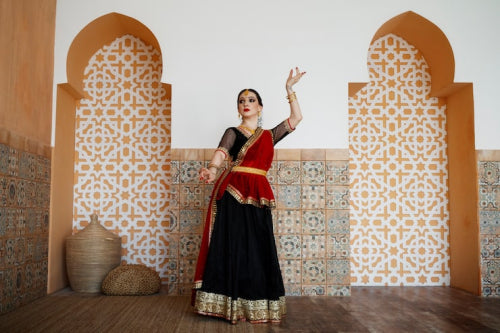
Indian textile traditions have long shaped the way the world understands craftsmanship, storytelling, and design. From handwoven fabrics to intricate embroidery, these traditions represent more than decorative techniques; they reflect generations of knowledge passed through artisan communities. Today, designers and fashion houses are looking beyond surface aesthetics to explore the deeper value of Indian textiles, including their craftsmanship, cultural meaning, and connection to responsible production.
Fast fashion erodes cultural heritage, sidelining artisans and reducing traditions to trends. At IndieHaat, we champion India's craftspeople with handcrafted sarees, apparel, décor, and skincare rooted in authenticity. Each piece embodies skill and ethical care. Support artisans and preserve India's timeless legacy Shop Now!
The Enduring Influence of Indian Textile Heritage
Indian textile heritage is built on a diverse range of regional practices, each with its own methods, materials, and visual language. Techniques such as weaving, dyeing, embroidery, and printing have developed over centuries, creating textiles that carry the identity of the communities that produce them.
Traditional Indian textiles are increasingly recognised for their ability to bring authenticity into contemporary fashion. Designers are not only adopting distinctive patterns and techniques but also exploring the stories behind the makers, materials, and processes. This shift reflects a broader interest in clothing that communicates heritage and craftsmanship rather than simply following seasonal trends.
For modern audiences, handcrafted textiles offer a connection between fashion and culture. A garment created through traditional methods represents human skill, regional artistry, and a slower approach to design. This perspective has helped Indian textiles maintain relevance as fashion continues to explore more meaningful forms of expression.
The influence of Indian textiles on global fashion can be seen in the way designers incorporate traditional techniques into contemporary collections. Fabrics, embroidery styles, and handcrafted details originating from India have become sources of inspiration for designers seeking unique approaches to luxury and everyday fashion.
Indian textiles influence global fashion by introducing techniques that combine visual richness with craftsmanship. Hand embroidery, detailed weaving, and natural textile processes provide designers with opportunities to create pieces that feel distinctive and connected to human creativity.
Luxury fashion has increasingly drawn inspiration from Indian craftsmanship. Traditional materials such as khadi and chanderi, along with intricate embroidery practices, have appeared in international collections. A luxury brands embracing Indian influences trend highlights how global fashion houses are engaging with Indian techniques while recognising the importance of artisan knowledge and cultural origins.
This growing appreciation also changes how traditional crafts are perceived. Rather than being viewed only as historical practices, Indian textile traditions are being recognised as sources of innovation that can influence modern design approaches.
Traditional Indian Weaving Techniques Bring Craftsmanship Into Modern Design
Traditional Indian weaving techniques demonstrate how craftsmanship can remain relevant in contemporary fashion. Handloom practices create fabrics with distinct textures, structures, and character, offering designers alternatives to uniform mass-produced materials.
Weaving traditions also highlight the relationship between makers and materials. The process requires patience, technical understanding, and familiarity with regional methods. These qualities give handcrafted textiles a sense of individuality that appeals to consumers interested in the origins of what they wear.
Modern designers often reinterpret traditional textiles by combining heritage methods with current silhouettes and styling. This approach allows historic techniques to adapt without losing their cultural significance. A handwoven textile can become part of a contemporary wardrobe while still preserving the knowledge behind its creation.
Indian Embroidery and Craftsmanship on the International Stage
Embroidery has become one of the most recognisable expressions of Indian craftsmanship in global fashion. Techniques such as zardozi, aari, and phulkari demonstrate the precision and creativity involved in transforming fabric into detailed works of art.
International interest in Indian embroidery reflects a growing appreciation for visible craftsmanship. Detailed handwork provides a contrast to industrial production, allowing fashion pieces to communicate the time, skill, and cultural traditions involved in their creation.
Recent fashion conversations have also expanded beyond embroidery alone. Designers and curators are highlighting the wider spectrum of Indian textile innovation, including weaving, natural dyeing, and fabric development. The discussion around Indian embroidery on the global stage shows how traditional techniques continue to influence luxury fashion while encouraging broader recognition of India's textile expertise.
For consumers, understanding these techniques creates a deeper appreciation of clothing. A handcrafted textile becomes more than a visual choice; it becomes a way to engage with the history, skills, and communities behind fashion.
Why Sustainable Fashion Is Looking Toward Indian Crafts
Sustainable fashion inspired by Indian crafts is gaining attention because traditional textile practices often emphasise careful production, skilled labour, and long-lasting quality. These values align with a growing preference for thoughtful consumption and products that have a clear connection to their makers.
Handcrafted textiles encourage consumers to consider questions beyond appearance. Where was the material created? Who made it? What techniques were used? These questions help shift attention from disposable trends toward a more informed understanding of fashion.
Indian craft traditions also demonstrate how heritage practices can support modern sustainability conversations. Many traditional approaches are built around local knowledge, resource awareness, and techniques refined over generations. When adapted thoughtfully, they offer valuable perspectives for designers exploring responsible approaches to fashion.
The Role of Authentic Storytelling in Fashion
Fashion is increasingly shaped by stories. Consumers are interested not only in how products look but also in the people, processes, and cultural backgrounds connected to them. Indian textiles naturally carry these narratives through their regional identities and artisan histories.
Authentic storytelling helps preserve the value of craftsmanship. When designers and platforms explain the significance of a textile technique or the skill involved in creating a product, they help audiences recognise why handmade work requires expertise and care.
This approach also creates opportunities for artisan communities by bringing greater visibility to their knowledge. Supporting handcrafted traditions involves more than preserving old techniques; it means creating space for artisans to continue evolving their craft within modern markets.
How Indian Textile Traditions Continue to Shape Fashion's Future
The influence of Indian textiles on fashion is not limited to traditional collections or heritage-focused designs. These practices continue to inspire new approaches to materials, craftsmanship, and creative expression.
For designers, Indian textile traditions offer a foundation for experimentation. Ancient techniques can be combined with contemporary design thinking to create clothing that feels both rooted and relevant. For consumers, they provide an opportunity to choose fashion connected to culture, craftsmanship, and individual stories.
Platforms that showcase authentic handmade products play an important role in helping audiences discover these traditions. By connecting people with artisan-made apparel, accessories, and handcrafted goods, they contribute to keeping textile knowledge visible and valued.
Frequently Asked Questions
How do Indian textile traditions influence global fashion?
Indian textile traditions influence global fashion by introducing unique craftsmanship, traditional weaving techniques, embroidery styles, and cultural storytelling into modern designs. Designers around the world draw inspiration from Indian textiles to create fashion that values heritage, creativity, and artisan skills.
What are some traditional Indian textiles and techniques used in modern fashion?
Traditional Indian textiles such as handwoven fabrics, khadi, chanderi, and embroidered textiles continue to inspire contemporary fashion. Techniques including zardozi, aari, phulkari, weaving, and natural dyeing are being adapted into modern clothing and luxury designs.
Why are Indian handcrafted textiles important for sustainable fashion?
Indian handcrafted textiles support sustainable fashion by emphasising skilled craftsmanship, thoughtful production methods, and long-lasting quality. They help consumers understand the story behind their clothing while encouraging greater appreciation for artisan knowledge and traditional practices.
Disclaimer: The above helpful resources content contains personal opinions and experiences. The information provided is for general knowledge and does not constitute professional advice.
You may also be interested in: How Regional Indian Crafts Influence Global Fashion Trends
Fast fashion erodes cultural heritage, sidelining artisans and reducing traditions to trends. At IndieHaat, we champion India's craftspeople with handcrafted sarees, apparel, décor, and skincare rooted in authenticity. Each piece embodies skill and ethical care. Support artisans and preserve India's timeless legacy Shop Now!
Powered by flareAI.co