
How Sustainable Shopping Benefits Communities
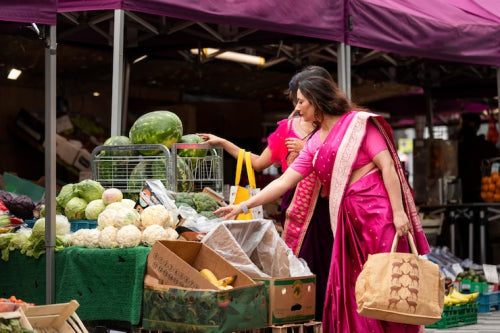
How Sustainable Shopping Benefits Communities is a conversation about more than what people buy. The choices consumers make every day can influence how products are created, who benefits from those purchases, and which skills continue into the future. Sustainable shopping encourages a closer connection between buyers, makers, materials, and communities by placing greater value on responsible production and meaningful craftsmanship. For consumers interested in ethical consumption, understanding this connection reveals how purchasing decisions can contribute to stronger local economies and more resilient creative communities.
Fast fashion erodes cultural heritage, sidelining artisans and reducing traditions to trends. At IndieHaat, we champion India's craftspeople with handcrafted sarees, apparel, décor, and skincare rooted in authenticity. Each piece embodies skill and ethical care. Support artisans and preserve India's timeless legacy Shop Now!
Why Sustainable Shopping Is About People, Not Just Products
Sustainability is often discussed through the lens of environmental responsibility, but its impact extends beyond materials and waste reduction. Every product has a story behind it, including the people who design, create, package, and deliver it. Sustainable shopping brings attention to these human connections by encouraging consumers to consider the social impact of their choices.
When shoppers choose thoughtfully made products, they can support businesses and communities that value craftsmanship, responsible production methods, and long-term relationships. This approach moves purchasing away from simply replacing items and towards appreciating the knowledge, effort, and cultural identity involved in creating them.
For artisan communities, access to customers who appreciate handmade work can create opportunities to preserve traditional skills while building more stable livelihoods. The value of a handmade product is not only found in its appearance or function but also in the expertise and heritage represented by the person who created it.
Sustainable shopping also encourages consumers to ask important questions: Who made this product? How was it produced? Does the purchase support responsible practices? These questions help create a more thoughtful relationship between consumers and the wider supply chain.
How Sustainable Shopping Helps Communities Grow
One of the most important benefits of sustainable shopping is its ability to support community development. When consumers purchase from businesses connected with skilled makers, their spending can contribute to opportunities for craftspeople and small producers.
Artisan communities often face challenges in reaching wider audiences, building consistent customer relationships, and competing with mass-produced alternatives. Responsible marketplaces and ethical businesses can help bridge this gap by connecting makers with customers who value authenticity and craftsmanship.
Research highlighted by the women artisan empowerment reference shows how artisan-focused approaches can help craftspeople access broader markets, strengthen income opportunities, and protect traditional skills. These connections demonstrate that a purchase can represent more than a transaction; it can become part of a larger relationship between consumers and communities.
Supporting makers through conscious purchasing can also encourage entrepreneurship. When artisans have better access to customers who appreciate their work, they can focus on improving quality, developing new designs, and maintaining skills that have often been passed down through generations.
The Role of Handmade Products in Preserving Cultural Heritage
Handmade products often carry knowledge that cannot be easily replicated through industrial production. Techniques, patterns, materials, and creative methods are frequently shaped by local traditions and years of experience. Sustainable shopping helps create demand for these forms of craftsmanship, allowing cultural practices to remain relevant in modern lifestyles.
When traditional skills are valued economically, younger generations may have greater motivation to learn and continue those practices. This creates a connection between heritage and opportunity, allowing communities to protect their creative identity while participating in contemporary markets.
Choosing handmade products is also a way for consumers to recognise the human contribution behind everyday items. A handcrafted textile, accessory, or home décor piece reflects decisions made by skilled individuals rather than only a production process. This awareness encourages appreciation for quality, durability, and cultural significance.
The relationship between sustainability and cultural preservation is especially important for communities where craft traditions represent both identity and income. Supporting these traditions helps ensure that craftsmanship remains a living practice rather than becoming a forgotten part of history.
Ethical Shopping Practices Create More Responsible Supply Chains
Ethical shopping practices influence how businesses think about sourcing, production, and relationships with suppliers. Consumers who look beyond price and convenience often encourage companies to consider transparency, responsible materials, and fairer approaches to production.
A responsible supply chain focuses on the people involved at every stage of creating a product. This includes recognising the contribution of makers, understanding production methods, and creating systems where quality and fairness are valued alongside commercial success.
The sustainable fashion practices reference highlights that responsible fashion involves recognising the people, skills, and cultural traditions connected to products. It also explains how consumer choices can encourage production approaches that value transparency and social responsibility.
For consumers, this means sustainable shopping is not only about finding alternatives to conventional products. It is about participating in a marketplace where decisions are guided by awareness, accountability, and respect for the people behind the products.
How Consumers Can Make More Responsible Choices
Building sustainable shopping habits does not require completely changing every purchasing decision at once. Small choices made consistently can help consumers become more aware of the impact behind their purchases.
Choose Products with Meaningful Stories
Understanding where products come from can help consumers identify items connected with skilled makers, traditional techniques, and responsible practices. Products that reflect craftsmanship often provide a deeper connection than items selected only for short-term trends.
Value Quality Over Unnecessary Replacement
Sustainable shopping encourages a shift from frequent replacement towards thoughtful selection. Choosing products that are designed with care can support a mindset focused on long-term use and appreciation.
Support Makers and Small Creative Businesses
Purchasing from artisan-focused businesses can help create stronger connections between consumers and producers. These choices can provide visibility for makers who rely on craftsmanship and specialised skills.
Learn About Production Practices
Consumers can make more informed decisions by considering how products are created, what materials are used, and whether businesses communicate clearly about their processes. Awareness helps shoppers align their purchases with their personal values.
Why Sustainable Consumption Matters for the Future of Communities
Sustainable consumption is becoming an important part of how people think about value. Consumers are increasingly looking beyond appearance and price to understand the wider impact of their purchases. This change creates opportunities for businesses that prioritise responsible practices and meaningful connections with communities.
For artisan communities, this shift can help preserve creative traditions while creating pathways for economic participation. When craftsmanship is recognised and supported, communities gain opportunities to maintain skills, share cultural knowledge, and develop sustainable sources of income.
For businesses, sustainable shopping represents an opportunity to build stronger relationships with customers. Brands that communicate the importance of makers, materials, and production choices can create deeper trust with audiences who want their purchases to reflect their values.
For consumers, responsible choices provide a practical way to contribute to positive social outcomes. A single purchase may seem small, but collective choices can influence which products receive attention, which skills are valued, and which communities receive support.
The Connection Between Conscious Shopping and Community Impact
Sustainable shopping benefits communities by creating stronger links between consumers and the people who make the products they use. It highlights the importance of craftsmanship, encourages responsible business practices, and helps protect skills that carry cultural meaning.
For a curated marketplace focused on authentic handcrafted apparel, accessories, home décor, and artisan-made products, this conversation connects naturally with the importance of recognising makers and the value of traditional creativity. Supporting thoughtful purchasing decisions allows consumers to engage with products in a more meaningful way while appreciating the communities behind them.
Sustainable shopping is ultimately about making choices with greater awareness. By considering the people, processes, and stories behind products, consumers can help create a marketplace where craftsmanship, responsibility, and community wellbeing are valued together.
Frequently Asked Questions
How does sustainable shopping help communities?
Sustainable shopping helps communities by supporting makers, small producers, and businesses that value responsible production practices. By choosing thoughtfully made products, consumers can contribute to preserving traditional skills, strengthening local livelihoods, and encouraging more ethical supply chains.
Why should consumers buy handmade products?
Consumers should buy handmade products because they often represent skilled craftsmanship, cultural heritage, and meaningful connections with the people who create them. Choosing handmade items can support artisan communities while encouraging appreciation for quality and responsible consumption.
What are the benefits of sustainable shopping for the future?
The benefits of sustainable shopping include supporting responsible businesses, protecting traditional crafts, and promoting conscious consumer choices. Sustainable shopping can help create stronger relationships between consumers and makers while encouraging a marketplace that values community impact and long-term sustainability.
Disclaimer: The above helpful resources content contains personal opinions and experiences. The information provided is for general knowledge and does not constitute professional advice.
You may also be interested in: Sustainable Practices in Small-scale Handloom Workshops
Fast fashion erodes cultural heritage, sidelining artisans and reducing traditions to trends. At IndieHaat, we champion India's craftspeople with handcrafted sarees, apparel, décor, and skincare rooted in authenticity. Each piece embodies skill and ethical care. Support artisans and preserve India's timeless legacy Shop Now!
Powered by flareAI.co