
Indian Handwoven Sarees Showcased at International Textile Trade Show
Quick Listen:
In a sprawling exhibition hall alive with the pulse of international trade, vibrant swaths of silk and cotton gleam under spotlights, captivating buyers from Milan to Mumbai. The setting is a renowned international textile trade show, where Indian handwoven sarees emerged as the undeniable stars. These exquisite textiles, crafted by artisans in India's rural weaving communities, transcend mere fabric they embody centuries of tradition, artistry, and a commitment to sustainability. For IndieHaat, a trailblazing e-commerce platform dedicated to artisanal crafts, the event was a landmark moment, showcasing India's handloom heritage to a global audience and affirming its place in the future of fashion.
The India saree market, valued at USD 5.76 billion in 2024, is on track to reach USD 10.33 billion by 2033, with a steady compound annual growth rate (CAGR) of 6.70%. This growth is propelled by rising demand for eco-friendly handloom sarees, bolstered by government programs like Geographical Indication (GI) tags and the Handloom Mark, which verify authenticity and uplift weaver's livelihoods. The surge of e-commerce, driven by AI-powered personalization, virtual fitting tools, and social media marketplaces, has made these sarees more accessible. Celebrity endorsements and sustainable branding further draw younger buyers, expanding the market's reach. At the expo, Indian artisans, empowered by digital platforms like IndieHaat, demonstrated why handwoven sarees are not just garments but cultural masterpieces redefining global luxury.
A Platform for Sustainable Craft
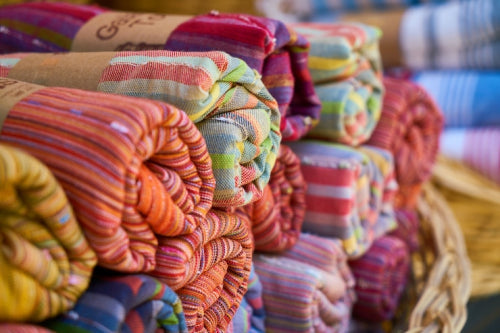
The textile expo, a cornerstone for industry leaders, thrummed with themes of sustainability, ethical production, and cultural preservation. Buyers navigated rows of fabrics, from cutting-edge synthetics to meticulously handcrafted textiles. Indian handloom sarees stood apart, their intricate patterns and vibrant hues weaving a compelling case for slow fashion. Collections from iconic weaving centers Chanderi's gossamer silks, Jamdani's delicate motifs, Banarasi's opulent brocades, and Maheshwari's vibrant weaves entranced attendees, blending ancestral techniques with contemporary appeal.
Consider the Koorai silk saree from Mayiladuthurai in Tamil Nadu, a nine-yard masterpiece traditionally draped by brides. Woven by the Sāliyan community, these sarees marry silk and cotton in striking checked patterns of green and yellow, colors symbolizing prosperity and fertility. Their display at the expo was a powerful declaration: handwoven textiles can rival the dominance of fast fashion. These sarees, rooted in cultural significance, captivated buyers seeking authenticity in an era of mass production.
The global handloom market, valued at USD 8.32 billion in 2024, is projected to soar to USD 16.62 billion by 2032, achieving a CAGR of 9.24%. Asia Pacific, commanding a 55.77% market share, drives this growth, with India's weaving traditions at the forefront. The expo underscored this trajectory, as buyers admired sarees that harmonize sustainable practices with unparalleled craftsmanship, signaling a shift toward ethical consumption.
Artisans Tell Their Story
Every saree carries the soul of its maker. At the expo, IndieHaat-affiliated weavers shared their craft with understated pride, their hands telling stories of resilience and skill. A cooperative from West Bengal's Shantipur handloom cluster, renowned for its lightweight cotton Shantipuri sarees, presented fabrics that seemed to radiate heritage. Nearby Phulia's Tangail-Jamdani weaves, intricate and airy, drew crowds accustomed to factory-made textiles. These sarees, woven over days or even weeks, are a testament to patience and artistry.
One Shantipur weaver explained, “Each thread is a piece of our history, our dreams for the future.” Her cooperative, supported by IndieHaat's digital reach, showcased sarees dyed with natural pigments ochres, indigos, and saffrons that evoked Bengal's landscapes. These eco-conscious innovations, from organic yarns to plant-based dyes, struck a chord with buyers prioritizing sustainability.
The handloom sarees market, valued at USD 3.72 billion in 2024, is expected to climb to USD 7.29 billion by 2032, with a CAGR of 8.99%. This growth mirrors a cultural shift: younger consumers, especially Gen Z, seek authentic, meaningful products. At the expo, technology amplified this appeal AI-driven customization and virtual try-ons allowed buyers to experience sarees digitally, merging tradition with innovation.
Challenges in the Weave
Despite the acclaim, the path to global markets is fraught with obstacles. For small-scale Indian artisans, export logistics customs regulations, shipping costs, and international tariffs pose daunting barriers. Many lack the resources for global marketing, making them vulnerable to fast fashion's aggressive pricing. Certifications like GI tags, while prestigious, require navigating complex bureaucratic processes that can overwhelm rural weavers.
Sustainability, the handloom's greatest asset, also presents a paradox. Scaling production to meet global demand risks diluting the craft's authenticity. An IndieHaat curator encapsulated this tension: “We aim to grow, but never at the expense of our heritage.” At the expo, artisans grappled with balancing buyer expectations for volume with their dedication to quality, a delicate dance between commerce and craft.
The global ethnic wear market, valued at USD 108.07 billion in 2024, is projected to reach USD 198.18 billion by 2033, with a CAGR of 6.97%. Fueled by festival-driven sales and e-commerce growth, this market offers immense potential but also fierce competition. Indian weavers must innovate embracing sustainable materials or fusion designs that appeal to younger demographics while safeguarding their traditional roots.
Empowering Artisans Through Commerce
For IndieHaat, the expo was a pivotal moment. The platform, which bridges rural weavers with international buyers, saw its curated collections spark interest from retailers across Europe and North America. Buyers, captivated by the saree's craftsmanship, initiated discussions for bulk orders, signaling a growing appetite for ethical fashion. This exposure not only boosts sales but also elevates the global perception of Indian handlooms as a premium category.
Digital platforms like IndieHaat are transforming the handloom trade. By sharing the stories behind each saree its weaver, region, and cultural significance they forge emotional connections with consumers. At the expo, QR codes beside sarees linked to videos of artisans at their looms, offering transparency that resonates with today's conscious buyers. This blend of storytelling and technology is redefining how handwoven textiles reach the world.
The broader handloom product market is expected to grow from USD 8.2 billion in 2023 to USD 18.6 billion by 2033, with a CAGR of 8.54%. This promising outlook positions platforms like IndieHaat as leaders in connecting artisans to global markets, ensuring their crafts thrive in a digital age.
A Vision for the Future
Industry voices at the expo were unanimous in their optimism. A Paris-based fashion buyer declared, “Indian handloom sarees are wearable art, perfectly aligned with the demand for sustainable luxury.” This sentiment marks a turning point: handlooms are no longer a niche but a global force. Experts encouraged artisans to harness digital narratives and pursue more international platforms to maintain this momentum.
The expo's impact extends beyond commerce. Greater visibility empowers weavers, many of whom are women, fostering economic independence in rural communities. It also promotes sustainable sourcing, as buyers increasingly favor brands with eco-friendly credentials. However, experts emphasized that innovation must honor tradition. Integrating modern aesthetics with time-honored techniques without compromising authenticity is the key to sustained growth.
A Legacy Woven Forward
As the expo drew to a close, its echoes lingered. Indian handwoven sarees, with their kaleidoscope of colors and intricate designs, had spun a tale of resilience, beauty, and possibility. For artisans and platforms like IndieHaat, the event was a resounding success a chance to prove that tradition can flourish in a global marketplace.
Supporting this craft is an act of preservation. Each saree purchased through platforms like IndieHaat keeps looms alive, weaving India's cultural heritage into the tapestry of tomorrow. As the handloom market expands, these threads of tradition are poised to shape the future of fashion, one vibrant drape at a time.
Disclaimer: The above helpful resources content contains personal opinions and experiences. The information provided is for general knowledge and does not constitute professional advice.
You may also be interested in: Kota Doria: The Timeless Fabric of Rajasthan - History, Evolution
Fast fashion erodes cultural heritage, sidelining artisans and reducing traditions to trends. At IndieHaat, we champion India's craftspeople with handcrafted sarees, apparel, décor, and skincare rooted in authenticity. Each piece embodies skill and ethical care. Support artisans and preserve India's timeless legacy Shop Now!
Powered by flareAI.co