
Indian Sarees for Cultural Celebrations Heritage Woven into Every Thread
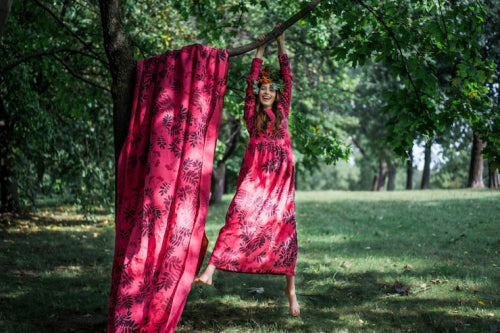
In the glow of festival lights or the quiet dignity of a wedding ceremony, few garments carry the weight of history quite like the Indian saree. Six yards of fabric, draped with grace, tell stories of regions, rituals, and resilience a tradition that continues to captivate not just in India but across the world.
Fast fashion erodes cultural heritage, sidelining artisans and reducing traditions to trends. At IndieHaat, we champion India's craftspeople with handcrafted sarees, apparel, décor, and skincare rooted in authenticity. Each piece embodies skill and ethical care. Support artisans and preserve India's timeless legacy Shop Now!
Indian Sarees for Cultural Celebrations: A Timeless Tradition of Heritage in Every Thread
Explore the rich history, contemporary appeal, and cultural significance of Indian sarees, woven with tradition and elegance for every celebration.
The Timeless Tradition of Sarees
From the bustling streets of Mumbai during Diwali to intimate family gatherings in Singapore or London, the saree remains a cornerstone of cultural celebrations. It's more than clothing it's a canvas of heritage, passed down through generations and adapted across borders.
In India and among diaspora communities in the US, UK, UAE, Australia, and Singapore, sarees mark milestones: weddings where Kanjivaram silks shimmer under lights, Durga Puja festivities alive with Bengali tant cottons, or Onam feasts graced by Kerala kasavu. Each drape connects wearers to roots while allowing personal expression.
Behind every saree lies remarkable craftsmanship. India's textile industry, the world's second-largest producer of garments, employs over 45 million people and contributes around 2% to GDP. The domestic market stands at US$ 225 billion in 2025, growing robustly. This scale sustains traditions, ensuring artisan's skills endure amid modern demands.
Emerging Trends in Indian Sarees for Celebrations
Today's sarees blend old and new seamlessly. Designers fuse classic weaves like linen, silk, and cotton with fresh silhouettes think belt-accented drapes or pre-stitched styles that ease wear without losing elegance.
Colors shift toward earthy tones and pastels for daytime events, while metallics and bold hues dominate evenings. Embellishments remain subtle yet impactful: delicate zari borders or minimal motifs that highlight the fabric's purity.
Sustainability drives much of this evolution. Shoppers increasingly seek ethically sourced pieces, directly supporting artisans. Platforms curate handcrafted sarees using only natural fabrics, emphasizing fair practices and cultural authenticity over mass production.
Celebrating Diversity: Styles for Different Cultures
India's regional variety shines in sarees suited to specific occasions. Banarasi brocades for North Indian weddings, Paithani for Maharashtrian ceremonies, or lightweight Chanderi for summer pujas each reflects local identity.
Globally, these styles travel through e-commerce. Available on marketplaces like Amazon and ONDC, curated brands reach buyers in metropolitan hubs abroad, where diaspora families cherish authentic pieces for their celebrations.
Spotlight on Artisans: The Craftsmanship Behind Each Saree
At the heart are the weavers. In villages across India, hands move rhythmically on looms, creating unique designs from pure materials. Brands like IndieHaat partner directly with these artisans, ensuring every saree from apparel to accessories meets rigorous standards of quality and ethics. This model preserves techniques while providing sustainable livelihoods, keeping traditions alive in a changing world.
Key Challenges in Saree Appreciation
Online shopping brings hurdles. Without touching the fabric, buyers sometimes hesitate, wary of quality or fit. Pricing reflects true cost hand labor, pure materials, ethical sourcing yet can seem steep compared to fast fashion. These concerns are valid, but transparent curation helps build trust, showing the value in authenticity and durability.
Opportunities for Growth
Digital platforms open doors. Handcrafted sarees now reach eager audiences in the US, Singapore, Australia, UK, and UAE, where demand grows for unique, meaningful pieces.
Initiatives supporting direct artisan sales empower communities, fostering economic independence and cultural preservation. As global interest rises, these sarees become bridges connecting heritage to modern lives worldwide.
A Future Woven with Promise
The saree endures because it adapts. In 2025 and beyond, it will continue evolving: more sustainable, inclusive, and innovative, yet rooted in the threads of tradition. For those who wear them, sarees offer not just beauty but belonging a reminder that heritage, skillfully woven, can thrive in any era. Whether for a grand celebration or quiet reflection, the right saree waits, ready to drape you in history's elegant embrace.
Frequently Asked Questions
What makes Indian sarees significant for cultural celebrations?
Indian sarees are more than just garments—they represent centuries of cultural heritage and regional identity. Each saree style, from Kanjivaram silks for weddings to Bengali tant cottons for Durga Puja, connects wearers to their roots while marking important life milestones. These six yards of handcrafted fabric carry the stories of traditions, artisan craftsmanship, and family legacies passed down through generations.
What are the latest trends in Indian sarees for 2025?
Contemporary saree trends beautifully blend traditional weaves with modern aesthetics, featuring innovative draping styles like belt-accented and pre-stitched sarees for easier wear. Color palettes have shifted toward earthy tones and pastels for daytime events, while metallics and bold hues dominate evening celebrations. Sustainability is a major driving force, with increasing demand for ethically sourced, handcrafted sarees made from natural fabrics like linen, silk, and cotton with minimal yet impactful embellishments.
How do handcrafted sarees support Indian artisans and preserve cultural traditions?
Handcrafted sarees directly support over 45 million people employed in India's textile industry while preserving centuries-old weaving techniques. When you purchase authentic, handwoven sarees from platforms that partner directly with artisans, you ensure fair wages and sustainable livelihoods for weaving communities across India. This ethical approach maintains traditional craftsmanship in a modern economy, keeping cultural heritage alive while empowering artisan communities economically and culturally.
Disclaimer: The above helpful resources content contains personal opinions and experiences. The information provided is for general knowledge and does not constitute professional advice.
You may also be interested in: The Cultural Legacy Behind Indias Handwoven Silk Sarees
Fast fashion erodes cultural heritage, sidelining artisans and reducing traditions to trends. At IndieHaat, we champion India's craftspeople with handcrafted sarees, apparel, décor, and skincare rooted in authenticity. Each piece embodies skill and ethical care. Support artisans and preserve India's timeless legacy Shop Now!
Powered by flareAI.co