
Inside the Revival of Banarasi Sarees in Festive Fashion
Quick Listen:
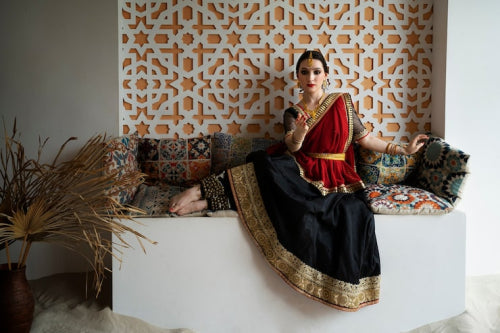
In the heart of Varanasi, where the Ganges flows and ancient looms hum, the Banarasi saree emerges as a testament to India's enduring craftsmanship. Its golden zari threads, woven with centuries-old techniques, are not just fabric but a cultural legacy now captivating global audiences. From Diwali celebrations in Delhi to high-end boutiques in Dubai, Banarasi sarees are experiencing a remarkable revival, merging tradition with modern sensibilities to redefine festive fashion for a discerning, global clientele.
Fast fashion erodes cultural heritage, sidelining artisans and reducing traditions to trends. At IndieHaat, we champion India's craftspeople with handcrafted sarees, apparel, décor, and skincare rooted in authenticity. Each piece embodies skill and ethical care. Support artisans and preserve India's timeless legacy Shop Now!
A Heritage Woven in Silk
Crafted in Varanasi, a city steeped in spiritual and cultural significance, Banarasi sarees are renowned for their opulent silk weaves and intricate zari embroidery. A 2008 report from the AMR Centre highlights their status as some of India's finest textiles, characterized by elaborate patterns and substantial weight due to detailed engravings. Today, their resurgence is driven by a confluence of cultural reverence and market dynamics. A 2024 analysis from IMARC Group reveals that the Indian saree market, significantly propelled by Banarasi weaves, reached USD 5.76 billion and is forecasted to grow to USD 10.33 billion by 2033, with a CAGR of 6.7%. This growth is underpinned by consumer demand for authentic handloom products, bolstered by government programs like GI tags and the Handloom Mark, which safeguard authenticity and support artisans.
The craftsmanship of a Banarasi saree is unparalleled. Artisans, often working for weeks on a single piece, create intricate motifs paisleys, florals, and geometric patterns that reflect Varanasi's 800-year weaving tradition. Yet, to meet contemporary demands, weavers are innovating, producing lighter fabrics and streamlined designs that resonate with younger buyers in cities like Mumbai and international hubs like London.
Blending Tradition with Modernity
The revival of Banarasi sarees is not merely about preserving heritage but reinterpreting it for today's fashion landscape. Designers are introducing fusion aesthetics, pairing Banarasi silk with lighter fabrics like georgette or experimenting with pastel shades alongside classic maroons and golds. Eco-conscious consumers, especially in markets like the US and UK, are drawn to sustainable options such as organic silk and natural dyes. According to Fortune Business Insights, the global handloom sarees market, valued at USD 3.72 billion in 2024, is projected to reach USD 7.29 billion by 2032, with a CAGR of 8.99%. Asia Pacific leads with a 68.82% market share, but Western markets are increasingly embracing these sarees for festive and formal occasions.
High-profile endorsements are fueling this trend. Indian cinema icons and global designers showcasing Banarasi weaves at international fashion events have elevated their status. In Bengaluru, Chandra Jain, spotlighted in a 2024 Sunday Guardian Live feature, champions vintage Banarasi weaves through her organization Kimkhab. Her efforts underscore the saree's adaptability suitable for grand winter weddings or breezy summer gatherings while honoring its cultural roots.
The Power of Digital Marketplaces
E-commerce has transformed the accessibility of Banarasi sarees, connecting Varanasi's artisans with buyers worldwide. Platforms like Amazon India, Flipkart, and specialized marketplaces like WeaverStory have expanded reach to markets in Singapore, Australia, and beyond. Innovations such as AI-powered customization and virtual try-ons, as noted in the IMARC Group report, enhance the online shopping experience, making it seamless for a bride in Sydney to select a bespoke saree. Social commerce, through platforms like Instagram and WhatsApp, further empowers small-scale weavers to engage directly with global customers, fostering a direct-to-consumer model.
However, the digital landscape presents challenges. The proliferation of machine-made imitations undermines the authenticity of handwoven sarees. Artisan collectives are countering this by emphasizing GI tags and narrative-driven marketing, highlighting the human artistry behind each piece. Platforms like GoCoop prioritize curating genuine Banarasi sarees, appealing to ethically minded consumers in the UAE and other regions by sharing the weaver's stories.
Navigating Industry Challenges
The path to revival is fraught with obstacles. Modern consumers prefer lighter sarees, but traditional Banarasi weaves, as the AMR Centre notes, are inherently heavy due to their intricate zari work. Adapting to these preferences without sacrificing quality demands significant skill and resources. Pricing remains a hurdle; authentic Banarasi sarees, often priced in the hundreds of dollars, compete with affordable, mass-produced alternatives. Striking a balance between accessibility and craftsmanship is critical.
Sustainability is another pressing issue. Silk production's environmental footprint concerns eco-conscious markets like Australia and the UK. While some weavers experiment with vegan silk or recycled materials, scaling these innovations is complex. In Varanasi, home-based weavers, as documented in a 2008 AMR Centre report, have formed unions to safeguard their craft and livelihoods, advocating for fair wages and sustainable practices amidst these challenges.
Opportunities in a Global Market
The resurgence of Banarasi sarees presents significant opportunities for e-commerce and artisan-led businesses. By partnering with weavers and ensuring transparent supply chains, brands can tap into the growing demand for luxury, sustainable fashion. Digital marketing, including influencer-driven campaigns showcasing Banarasi sarees for festivals like Diwali or Eid, resonates across diverse markets, from Indian weddings to cultural events in Singapore.
International demand is robust. In the US, Indian diaspora communities drive sales, while in the UAE, Banarasi sarees are prized for elite gatherings. Designers are also innovating, incorporating Banarasi silk into contemporary garments like gowns, appealing to non-Indian buyers in Paris and Melbourne. This global adoption not only strengthens India's artisan economy but also positions Banarasi sarees as a universal emblem of cultural artistry.
A Legacy Woven for the Future
As festive seasons illuminate cities worldwide, the Banarasi saree stands as a vibrant link between heritage and innovation. Its revival transcends fashion, embodying cultural resilience, artisanal mastery, and the power of digital connectivity. For Varanasi's weavers, each saree is a labor of love, a thread in the tapestry of their legacy. For global consumers, it's an opportunity to embrace a piece of history, crafted with unmatched skill. With the Indian saree market poised to reach USD 10.33 billion by 2033, as projected by IMARC Group, the future of Banarasi sarees is bright. E-commerce platforms and mindful buyers have a pivotal role in sustaining this craft. This festive season, whether in Kolkata or Cape Town, a Banarasi saree offers more than elegance it offers a connection to a timeless tradition, ready to shine in the modern world.
Frequently Asked Questions
Why are Banarasi sarees making a comeback in festive fashion?
Banarasi sarees are experiencing a revival due to their timeless elegance, intricate craftsmanship, and cultural significance, making them a top choice for festive occasions like weddings and Diwali. Modern designers are reimagining these sarees with contemporary patterns and vibrant colors, appealing to younger audiences. The growing demand for sustainable, handwoven textiles also boosts their popularity. This blend of tradition and modernity ensures Banarasi sarees remain a festive fashion staple.
How can I style a Banarasi saree for a modern festive look?
To style a Banarasi saree for a modern festive look, pair it with minimalist jewelry, such as statement earrings or a sleek maang tikka, to let the saree's intricate weaves shine. Opt for a contrasting blouse with trendy cuts like off-shoulder or high-neck to add a contemporary twist. Draping styles like the seedha pallu or a belted saree can enhance the elegance, making it perfect for weddings or cultural celebrations.
What makes Banarasi sarees unique compared to other Indian sarees?
Banarasi sarees stand out for their luxurious silk fabric, intricate zari work, and traditional motifs inspired by Mughal art, crafted by skilled artisans in Varanasi. Unlike other Indian sarees, they often feature heavier weaves and opulent designs, ideal for festive and bridal wear. Their handwoven quality and rich heritage make them a symbol of elegance and craftsmanship, highly sought after for special occasions.
Disclaimer: The above helpful resources content contains personal opinions and experiences. The information provided is for general knowledge and does not constitute professional advice.
You may also be interested in: Sustainable Packaging in Indian Craft Retail: Why It Matters
Fast fashion erodes cultural heritage, sidelining artisans and reducing traditions to trends. At IndieHaat, we champion India's craftspeople with handcrafted sarees, apparel, décor, and skincare rooted in authenticity. Each piece embodies skill and ethical care. Support artisans and preserve India's timeless legacy Shop Now!
Powered by flareAI.co