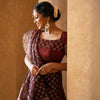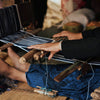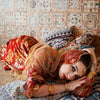
Preferred Fabrics for Traditional Sarees
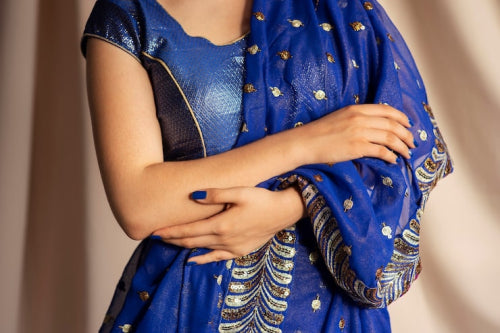
Envision wrapping yourself in a flowing silk that echoes tales from age-old weaving traditions, or embracing the airy comfort of cotton infused with the essence of fertile Indian plains traditional sarees transcend mere clothing; they serve as gateways to India's rich cultural tapestry, now enchanting audiences from vibrant Delhi markets to elegant gatherings in Dubai. Through this exploration, we delve into Preferred Fabrics for Traditional Sarees: Exploring Silk, Cotton, and Linen in Global Demand, revealing how these enduring textiles are integrating into contemporary lifestyles around the world.
Fast fashion erodes cultural heritage, sidelining artisans and reducing traditions to trends. At IndieHaat, we champion India's craftspeople with handcrafted sarees, apparel, décor, and skincare rooted in authenticity. Each piece embodies skill and ethical care. Support artisans and preserve India's timeless legacy Shop Now!
Fabrics at the Heart of Tradition
Sarees represent far more than elegantly draped cloth; they embody symbols of heritage, transmitted across generations within India and cherished by expatriate groups keen to preserve their cultural connections. From the elaborate patterns crafted in Varanasi to the simple sophistication of southern cottons, these attires brim with historical vitality. Presently, this vitality resonates internationally in the United States, illuminating festivals in metropolises like New York; in Singapore's vibrant Little India, merging heritage with metropolitan style; in Australia's diverse communities; the United Kingdom's multicultural areas; and the United Arab Emirate's expatriate events, where sarees gleam beneath starry nights.
The Indian textiles industry stands as a cornerstone of the nation's economy, boasting a robust foundation in diverse fibers including natural ones such as cotton, jute, silk, and wool. This sector spans from artisanal hand-spun and hand-woven methods to advanced mill operations, deeply intertwined with farming for materials like cotton and rooted in longstanding cultural practices, distinguishing it from other fields. It sustains employment for more than 45 million individuals and leads globally in cotton production, with anticipated output reaching 7.2 million tonnes by 2030. For ventures like IndieHaat.com, this translates to promoting artisan-sourced handmade goods, emphasizing distinctive patterns in genuine materials solely linen, silk, and cotton to link international consumers with true artisanal work.
With escalating interest, the saree market in India attained USD 5.76 billion in 2024 and is forecasted to ascend to USD 10.33 billion by 2033, advancing at a compound annual growth rate of 6.70% over 2025-2033, propelled by inclinations toward eco-friendly handlooms and digital commerce expansions. State-backed programs, including geographical indication labels and the Handloom Mark, reinforce genuineness and aid more than 3.5 million craftspeople, predominantly women managing 2.8 million looms. These efforts not only safeguard traditional techniques but also elevate the economic status of rural communities, ensuring that each saree carries a narrative of empowerment and legacy.
This global fascination stems from a broader appreciation for sustainable and culturally significant attire. As consumers increasingly seek pieces that blend history with modernity, platforms like IndieHaat.com play a pivotal role in bridging artisans with discerning buyers across target regions such as India, the US, Singapore, Australia, the UK, and the UAE. By focusing on pure fabrics, these initiatives highlight the intrinsic value of handcrafted items, fostering a market where authenticity commands respect and loyalty.
Emerging Trends in Saree Fabrics
Silk sarees command attention during festivities, their glossy strands captivating onlookers with each pleat. Consider Banarasi sarees, meticulously crafted from silk and embellished with zari threads of gold or silver forming elaborate floral designs influenced by Mughal aesthetics, such as kalga and bel motifs. Granted Geographical Indication status in 2009, these Varanasi-origin sarees epitomize luxury, their substantial decorations ideal for nuptials and celebrations. Kanjeevaram and Tussar silks complement this, providing sumptuous feels that flow like molten elegance, attracting individuals in the UK or UAE desiring standout attire for heritage occasions.
Cotton emerges as the versatile staple gaining traction for its ease and environmental benefits. Permeable and adaptable, cotton sarees fit muggy environments in Singapore or relaxed excursions in Australia, syncing with worldwide moves toward responsible style. Linen enters the scene, its sharp, ventilated texture appealing to youthful audiences desiring simplicity while honoring customs. These materials transcend mere selections; they address a global call for moral procurement, where manual weaving maintains expertise against the onslaught of rapid production.
The Handloom Mark Scheme, initiated in 2006 by India's Prime Minister, labels these goods for elite market placement, aiding over 6.5 million weavers and guaranteeing purchasers authentic manually woven products. Featuring mobile applications for authentication and exceeding 13 crore labeled items, it fosters confidence in a realm where originality dominates. Concurrently, India's ethnic wear market achieved USD 19,093.9 million in 2023, targeting USD 30,448.6 million by 2030 with a 6.9% CAGR, online avenues expanding most rapidly.
Developments also favor ethereal textiles like chiffon fabric, a translucent, plain-woven material commonly from silk, applied in flowing components for a gentle, otherworldly appearance albeit its fragility requires cautious care. Within sarees, silk chiffon introduces a current flair, fusing heritage with modern delicacy. This evolution reflects a broader trend where traditional fabrics adapt to contemporary tastes, incorporating sustainable practices and innovative designs to appeal to a diverse, global audience.
Moreover, the surge in eco-conscious branding, bolstered by celebrity endorsements, draws in millennials and Gen Z, who view sarees not just as ethnic wear but as statements of personal values. Government support through schemes like the National Handloom Development Programme further amplifies this, providing financial aid and subsidies to enhance competitiveness in international arenas.
Real-World Applications and Case Studies
Amid festivals like Diwali or Eid, silk sarees elevate assemblies into dazzling displays. In the US, South Asian groups adorn Banarasi silks for religious outings, whereas in the UAE, they adorn evening meals with majestic splendor. Matrimonies heighten this effect: a bride clad in Kanjeevaram silk stands as the focal point, her garment a woven chronicle of familial history.
Cotton and linen excel in routine scenarios. Envision an executive in Mumbai or Manchester choosing a linen saree for the office refreshing, proficient, yet steeped in ancestry. In Australia, cotton variants harmonize with coastal atmospheres for ethnic festivities, demonstrating adaptability across frontiers.
Social platforms ignite this momentum. Via Instagram, figures such as @anilarubyraj and @ani_lakshmi display craftsman textiles, their entries weaving narratives with striking imagery for vast audiences. @svishala74 accentuates eco-friendly cottons, as @drminimalhotra and @varshaoak advocate linen's contemporary appeal, frequently connecting to Facebook and YouTube for in-depth explorations guides, revealings, and craftsman features that render remote workshops personal.
These opinion leaders propel movements, converting sarees into worldwide dialogues. Digital retail, anticipated to attain USD 345 billion by 2030 in India, facilitates this via AI personalizations and digital fittings, rendering acquisitions from Singapore or the UK effortless .Handloom exports have gained remarkable global traction, with the United States emerging as a key destination. This underscores how digital channels and virtual marketplaces are increasingly bridging artisans with international buyers. Case studies from brands leveraging social commerce illustrate how live streams and influencer partnerships boost sales, particularly among diaspora communities seeking authentic connections to their origins.
In one notable instance, collaborations with celebrities like Usha Uthup have spotlighted silk collections, driving awareness and sales spikes. Such strategies not only expand reach but also educate consumers on fabric origins, enhancing appreciation and demand.
Key Challenges in Fabric Adoption
Nevertheless, obstacles persist. Elevated costs frequently discourage purchasers; superior silks or artisanal cottons bear expenses mirroring skilled labor, appearing lavish in cost-aware areas like India or the US.
Skepticism intensifies this. International consumers in Australia or the UAE concern themselves with counterfeits is that silk authentically unadulterated? Absent GI designations or Handloom Marks, uncertainties arise.
Furthermore, the sensory absence: virtual purchasing deprives the pleasure of sensing linen's surface or silk's silkiness. In locales like Singapore, thriving tangible bazaars, this deficiency appears pronounced, directing some to brick-and-mortar outlets over online baskets.
Logistics further burden, expanding manual creations sans compromising excellence challenges committed entities. Yet, these represent not impasses but invitations for creativity, prompting innovations in transparency and customer engagement.
Opportunities and Business Impact
This is where IndieHaat.com excels, confronting concerns directly via artisan-direct procurement for bespoke gems in true linen, silk, and cotton. Distinctive motifs differentiate them, validating higher rates through tales of upliftment every saree narrating weaver sustenance.
Worldwide arenas invite: the US's expatriates yearn for ancestral bonds, whilst the UK's style domain adopts cultural blends. Singapore and UAE present wealthy patrons; Australia, environmentally aware ones. With India's textile outflows at USD 36.61 billion in FY25, growth appears promising.
Online tactics mend divides. Dynamic Instagram videos from influencers mitigate sensory issues with magnifications and endorsements. Facebook circles nurture groups; YouTube ventures into weaver hamlets, cultivating reliance. For IndieHaat, this entails superior costing underpinned by durability state aids like 15% on threads assist in maintaining advantages.
Prospects flourish in tailoring, where AI instruments permit UK clients to adjust patterns, or augmented reality alleviates texture worries. As cultural attire advances digitally, outlets like IndieHaat establish as dependable centers, transforming doubts into devotion. By leveraging e-commerce's projected USD 550 billion by 2035, these platforms can scale while preserving artisanal integrity. Investments in technology, such as QR codes for traceability, further solidify trust, opening doors to premium segments.
Future Outlook for Saree Fabrics
The prospects shine brightly for saree textiles. Silk maintains dominance in opulent spheres, its celebratory charm enduring. Cotton and linen advance in deliberate fashion currents, enticing a globe fatigued by artificials. Analysts anticipate sustained esteem, with India's textiles attaining USD 350 billion by 2030, outflows at USD 100 billion.
To prosper, adopt digital narratives panoramic visuals, craftsman clips to surmount confidence hurdles. Harness expatriate sectors where sarees ground individuality. And for IndieHaat.com? It emerges as a guiding light, procuring legitimate textiles to strengthen craftspeople and enchant international adorers. Within this interlacing of legacy and future, sarees endure not diminishing but advancing, thread by thread.
Frequently Asked Questions
What are the most popular fabric choices for traditional sarees?
The three most preferred fabrics for traditional sarees are silk, cotton, and linen. Silk sarees, particularly Banarasi and Kanjeevaram varieties, are coveted for festive occasions and weddings due to their luxurious feel and intricate craftsmanship. Cotton emerges as the versatile everyday choice, offering breathability and comfort, while linen appeals to younger audiences seeking simplicity with cultural authenticity.
Why are silk sarees considered premium and what makes them special?
Silk sarees command premium status due to their luxurious texture, intricate craftsmanship, and cultural significance. Banarasi sarees, for instance, are meticulously crafted with zari (gold or silver threads) forming elaborate Mughal-inspired motifs and have received Geographical Indication status since 2009. The substantial decorations, combined with silk's natural sheen and drape, make these sarees ideal for weddings and celebrations, positioning them as investment pieces that carry both heritage and elegance.
How can I ensure I'm buying authentic handwoven sarees and not counterfeits?
Look for official certifications like the Handloom Mark Scheme, initiated by India's government in 2006, which labels authentic manually woven products and supports over 6.5 million weavers. Geographical Indication (GI) tags also guarantee authenticity for specific regional varieties like Banarasi sarees. Additionally, purchasing from reputable platforms that source directly from artisans, offer mobile app authentication, and provide detailed fabric origin stories can help ensure you're getting genuine handcrafted sarees rather than machine-made imitations.
Disclaimer: The above helpful resources content contains personal opinions and experiences. The information provided is for general knowledge and does not constitute professional advice.
You may also be interested in: Organza Silk Sarees: A Journey Through History and Craftsmanship
Fast fashion erodes cultural heritage, sidelining artisans and reducing traditions to trends. At IndieHaat, we champion India's craftspeople with handcrafted sarees, apparel, décor, and skincare rooted in authenticity. Each piece embodies skill and ethical care. Support artisans and preserve India's timeless legacy Shop Now!
Powered by flareAI.co