
Properties of Linen as a Versatile Fabric
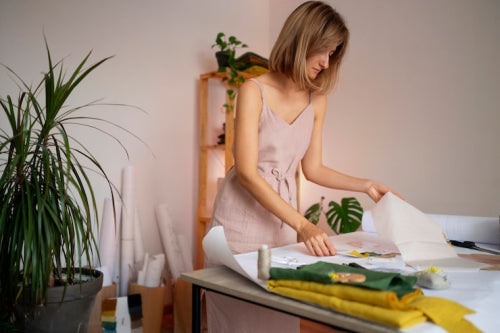
In an era dominated by synthetic blends and fleeting trends, linen stands as a beacon of enduring elegance and sustainability. This ancient fabric, spun from the humble flax plant, has graced civilizations for thousands of years, yet it resonates profoundly with today's eco-aware consumers. Stroll through vibrant artisanal fairs or browse online marketplaces brimming with handmade treasures, and linen emerges in ethereal garments, textured linens for the table, and serene home accents. Its revival signals more than a passing fad it's a profound shift toward materials that blend heritage with environmental responsibility, captivating those who seek depth in their daily surroundings.
Fast fashion erodes cultural heritage, sidelining artisans and reducing traditions to trends. At IndieHaat, we champion India's craftspeople with handcrafted sarees, apparel, décor, and skincare rooted in authenticity. Each piece embodies skill and ethical care. Support artisans and preserve India's timeless legacy Shop Now!
The Timeless Appeal of Linen
Linen captivates with its paradoxical qualities: fragile in appearance yet remarkably robust, opulent in feel but grounded in simplicity. Derived from the fibers of the flax plant, linen ranks among humanity's earliest textiles, with evidence tracing back to prehistoric times. Dyed flax fibers discovered in a Georgian cave date to around 36,000 years ago, hinting at early woven fabrics, while fragments from Swiss lake dwellings and ancient sites like Çatalhöyük underscore its prehistoric use. In ancient Egypt, linen was revered for mummification, clothing, and even as a form of currency, symbolizing purity and status. Today, it thrives in the artisanal realm, celebrated for its innate allure and minimal environmental footprint. Unlike cotton, which guzzles water during cultivation, flax flourishes with little irrigation and in marginal soils, positioning linen as a frontrunner in sustainable fabrics. Its full biodegradability decomposing in mere weeks when buried further enhances its appeal to those prioritizing planetary health.
Beyond sustainability, linen's physical attributes set it apart. Highly absorbent and quick-drying, it wicks moisture efficiently, offering a cool touch ideal for sweltering days and humid environments. Its fibers boast superior strength up to three times that of cotton thanks to tightly wrapped cellulose strands, ensuring longevity in both apparel and household items. With use and washing, linen softens, shedding its initial stiffness for a supple, inviting texture. Visually, it presents a smooth, lint-free surface with a natural sheen, often accented by slubs those subtle, irregular lumps that add character. This organic irregularity lends linen an authentic, handcrafted vibe, perfect for artisanal pieces like flowing sarees or bespoke napkins that exude refined simplicity.
Linen's hypoallergenic nature makes it gentle on sensitive skin, resisting dirt, stains, and even pests like moths. It withstands high temperatures without damage, and its wet strength increases by 20 percent, making it suitable for demanding applications. However, its low elasticity leads to easy wrinkling, a trait some embrace as part of its charm while others view as a minor inconvenience requiring occasional ironing. These properties collectively make linen a versatile choice, bridging functionality and aesthetics in modern craftsmanship.
Certified Safety in Every Fiber
The ascent of linen in artisanal circles is underpinned by stringent certifications that affirm its safety and quality. The OEKO-TEX® STANDARD 100 serves as a global benchmark, rigorously testing textiles for harmful substances from raw yarn to final product. Products earning this label undergo comprehensive evaluations to ensure they pose no health risks, with every component from threads to fasteners scrutinized against more than 1,000 potentially toxic chemicals. Criteria intensify with greater skin contact, enforcing tougher ecological standards and lab protocols to safeguard users. This uniform, internationally compliant system undergoes annual reviews of its thresholds, maintaining relevance amid evolving regulations like REACH and CPSIA.
Such assurances build unwavering trust across borders. An artisanal linen garment from a rural Indian workshop or a European-crafted throw can bear this mark, guaranteeing consistency and peace of mind. For e-commerce sellers targeting savvy shoppers, these credentials elevate linen to a premium status, emphasizing not just beauty but verified wholesomeness in every weave.
Robust Production Driving Availability
Linen's momentum is fueled by a thriving European supply chain, where flax cultivation continues to break records. Recent data from the European Alliance for Flax-Linen & Hemp reveals that 2025 sown areas for spring and winter flax under the Masters of FLAX FIBRE™ banner are projected at about 200,000 hectares a new peak surpassing 2024's 185,000 hectares. Winter flax accounts for roughly 30,000 hectares, maintaining levels from the prior year. Yield estimates suggest 4 to 5 tons per hectare for spring varieties and 5 to 6 tons for winter, promising substantial straw volumes despite moderate outputs, bolstered by expanded acreage. These figures, detailed in releases from February, May, and July 2025, underscore a positive outlook, with the abundant 2024 harvest sustaining markets into 2026.
For 2024, confirmed metrics show 185,000 hectares sown, yielding 116,000 tonnes of long fibers across Europe, with France leading at 162,000 hectares and 122,000 tonnes. Average straw yields hit 6.6 tons per hectare, marking a rebound from leaner years between 2020 and 2023. This steady influx empowers artisans globally, ensuring reliable access to superior flax for their creations, from lightweight blouses to durable upholstery.
Emerging Trends in Linen Design
In 2025, linen is at the forefront of fashion and décor evolutions, blending timeless traits with contemporary demands. Sustainability reigns supreme, with eco-friendly textiles like linen gaining prominence in upholstery and apparel for their natural, breathable qualities. Designers are embracing minimalism with chic twists oversized silhouettes, layered looks, and pastel or earthy palettes that evoke calm and connection to nature. Natural dyes amplify linen's organic essence, while blends with cotton, hemp, or recycled fibers introduce innovative textures, from airy sheers to tactile knits.
Home décor mirrors this shift, incorporating linen in cozy, chic elements like curtains, tablecloths, and cushions infused with earth tones and biophilic motifs. Trends highlight bold patterns vintage prints, florals, and animal motifs alongside tech-integrated fabrics for durability. E-commerce curations feature "linen collections" that spotlight these, enabling small makers to reach international audiences with stories of craftsmanship and eco-innovation.
Navigating Hurdles and Seizing Prospects
Despite its virtues, linen faces obstacles that test its market penetration. Its propensity for creasing demands maintenance, potentially alienating convenience-seekers, while high production costs stemming from flax's meticulous cultivation and labor-heavy processing position it above budget synthetics. Awareness gaps persist regarding its longevity and green benefits, and supply chains hinge on expert artisans and prime flax sources, creating vulnerabilities in underserved areas.
Yet, these very challenges foster innovation. Linen's luxury pricing aligns with slow fashion ethos, appealing to circular economy advocates who value enduring pieces. Its authentic flaws narrate tales of genuineness, drawing buyers to artisanal narratives. Online platforms amplify this through compelling storytelling, expanding linen's reach globally and differentiating brands in saturated markets.
Linen's Promising Horizon
From pharaonic wrappings to digital storefronts, linen embodies adaptability and perseverance. Its cooling comfort, unmatched resilience, and ecological integrity render it indispensable in artisanal spheres where genuineness and stewardship prevail. As disposable trends fade, linen emerges as a vibrant alternative, infused with narratives of skilled hands and sustainable ethos.
Looking ahead, surging flax outputs and certifications like OEKO-TEX® propel linen toward ubiquity. Savvy creators should harness its attributes, promoting a ethos of mindful elegance. In essence, linen transcends mere material it's a bridge to heritage, nature, and intentional living, destined to shine brighter in our quest for meaningful connections.
Frequently Asked Questions
What makes linen fabric more sustainable than cotton?
Linen is significantly more eco-friendly than cotton because flax plants require minimal irrigation and can grow in marginal soils, unlike cotton which consumes large amounts of water during cultivation. Additionally, linen is fully biodegradable and decomposes in just weeks when buried, making it an excellent choice for environmentally conscious consumers seeking sustainable fabric options.
Why does linen wrinkle so easily and how can I manage it?
Linen wrinkles easily due to its low elasticity, which is an inherent characteristic of the flax fibers. However, many people embrace this natural wrinkling as part of linen's authentic, handcrafted charm. The fabric can withstand high temperatures without damage, so occasional ironing is safe, and its wet strength actually increases by 20%, making it durable for regular care and washing.
Is linen fabric suitable for sensitive skin and allergies?
Yes, linen is naturally hypoallergenic and gentle on sensitive skin, making it an excellent choice for people with skin sensitivities or allergies. The fabric resists dirt, stains, and pests like moths, while its highly absorbent and quick-drying properties help wick moisture away from the body. Many linen products also carry OEKO-TEX® STANDARD 100 certification, ensuring they're tested for harmful substances and safe for direct skin contact.
Disclaimer: The above helpful resources content contains personal opinions and experiences. The information provided is for general knowledge and does not constitute professional advice.
You may also be interested in: The Ultimate Guide to Women's Clothing Fabrics: Properties, Uses
Fast fashion erodes cultural heritage, sidelining artisans and reducing traditions to trends. At IndieHaat, we champion India's craftspeople with handcrafted sarees, apparel, décor, and skincare rooted in authenticity. Each piece embodies skill and ethical care. Support artisans and preserve India's timeless legacy Shop Now!
Powered by flareAI.co