Regional Handloom Traditions Find International Appeal
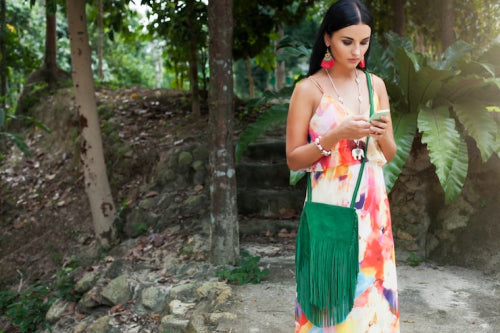
In a world overwhelmed by fast fashion and synthetic uniformity, a quieter revolution is unfolding on international runways, in premium boutiques, and among discerning consumers worldwide. The rich, textured legacy of regional handloom traditions is stepping into the global spotlight. These time-honored weaving practices, handed down through generations in villages across India and other craft-rich regions, are breaking free from local markets and cultural festivals. They now attract enthusiastic audiences from New York to Paris, Tokyo to Dubai, as people increasingly seek authenticity, sustainability, and meaningful stories woven into every thread.
Fast fashion erodes cultural heritage, sidelining artisans and reducing traditions to trends. At IndieHaat, we champion India's craftspeople with handcrafted sarees, apparel, décor, and skincare rooted in authenticity. Each piece embodies skill and ethical care. Support artisans and preserve India's timeless legacy Shop Now!
The Timeless Craft of Handloom Weaving
Handloom textiles bear the unmistakable imprint of human hands in ways that machines cannot replicate. Each piece captures the steady rhythm of the loom, the expertise of the artisan, and the distinctive environmental influences of its origin. From the shimmering silks of Kanchipuram to the intricate ikats of Odisha, the soft cottons of Bengal, and the warm wools of the Himalayas, these fabrics narrate tales of place, community, and enduring heritage.
What sets them apart today is their deep-rooted connection to sustainable practices. Handloom production depends on natural fibers and minimal mechanical energy, delivering a significantly lower environmental footprint than large-scale industrial textile manufacturing. This natural alignment with the rising global call for ethical fashion has propelled these regional traditions firmly into the international arena.
Why Regional Handlooms Are Gaining Global Traction
Consumers everywhere are drawn to products that offer both provenance and purpose. Regional handlooms deliver exactly that. Buyers value knowing that a Banarasi brocade or a delicate Kota Doria cotton was created by skilled weavers whose techniques have been refined over centuries. This compelling narrative of craftsmanship brings an emotional depth that mass-produced garments seldom match.
International fashion weeks and design exhibitions have accelerated this momentum. Forward-thinking designers integrate handloom fabrics into contemporary collections, skillfully blending traditional motifs with modern silhouettes. The outcome is clothing and home textiles that feel simultaneously grounded in history and perfectly relevant timeless yet refreshingly current.
Sustainability further strengthens their appeal. As awareness of fast fashion's ecological toll grows, handlooms present a compelling, low-impact alternative. They frequently employ biodegradable natural fibers and time-tested dyeing methods that honor local ecosystems.
Sustainable Fabrics and Natural Fibers Driving the Shift
The broader movement toward sustainable textiles mirrors this rising interest. The sustainable fabrics market is undergoing significant transformation, fueled by heightened consumer awareness of the ethical dimensions of textile production. Millennials and Generation Z, in particular, are shifting their purchasing behaviors toward brands that embrace sustainability.
Likewise, natural fibers encompassing plant-based options like cotton, jute, and hemp alongside animal-based ones such as wool and silk continue to gain prominence. These renewable, biodegradable materials are finding applications across textiles, automotive components, packaging, insulation, and composites. A reported rise in global natural fiber production volumes underscores the accelerating transition away from fossil-derived alternatives toward more responsible choices.
These fibers stand out not only for their environmental benefits but also for superior breathability, comfort, and lasting durability that many synthetics fail to provide. Ongoing advances in processing techniques have improved their performance while safeguarding their inherent natural qualities, broadening their suitability for diverse everyday and technical uses.
Stories from the Loom: Regional Traditions That Travel Well
Take the vibrant bandhani tie-dye techniques from Gujarat and Rajasthan, now featured in scarves and dresses gracing European boutiques. Or the geometric elegance of Pochampally ikat, favored by international interior designers for upholstery and curtains. Kashmir's renowned pashmina shawls retain their status as perennial favorites thanks to unmatched softness and warmth, while Assam's golden muga silk draws admirers for its distinctive sheen and remarkable strength.
These traditions flourish because they evolve thoughtfully without compromising their essence. Artisans partner with contemporary designers to develop fusion pieces such as a handloom jacket incorporating subtle tribal motifs or cushion covers that merge regional weaves with clean, minimalist aesthetics. These creative adaptations keep the crafts vibrant and relevant, while generating vital economic opportunities for weaving communities.
The Role of Conscious Consumers and Ethical Brands
Millennials and Generation Z are key drivers of this momentum. They actively seek brands that reflect their values of transparency, fairness, and genuine environmental responsibility. Handloom products align seamlessly with this ethos, directly supporting rural livelihoods and helping preserve invaluable cultural heritage.
Dedicated platforms and organizations focused on artisan empowerment have simplified the journey for global buyers to discover and acquire authentic pieces. By fostering direct connections between weavers and consumers, these efforts minimize intermediaries and promote fairer compensation, thereby strengthening trust throughout the supply chain.
Certifications covering organic fibers, natural dyes, and fair trade practices provide further reassurance, transforming what might once have been a simple purchase into a deliberate, impactful choice.
Challenges on the Path to Wider Recognition
Enthusiasm notwithstanding, handloom traditions confront genuine obstacles. Competition from power looms and lower-cost imports can pressure pricing. In many weaving communities, younger generations pursue alternative careers, threatening the continuity of specialized skills. Access to modern marketing resources and reliable raw material supplies also varies across regions.
Fortunately, these pressures are catalyzing positive change. Targeted training programs, digital marketplaces, and supportive policy initiatives are enabling artisans to expand their reach without sacrificing quality. International collaborations introduce fresh perspectives and resources, reinforcing the entire ecosystem.
Handloom in Everyday Life: From Fashion to Home
The reach of regional handlooms extends far beyond apparel. Home décor enthusiasts warmly embrace handwoven throws, table linens, and wall hangings for their distinctive textures and cultural richness. In fashion, these fabrics appear across a spectrum from relaxed everyday wear to elegant formal attire demonstrating impressive versatility.
What ties these applications together is the deeply satisfying sensory experience: subtle variations in weave, the play of light on natural fibers, and a gentle hand-feel that only improves with time and use. Such qualities encourage people to cherish these items rather than replace them seasonally.
Looking Ahead: A Future Woven with Hope and Intention
With worldwide interest in sustainable and meaningful living on the rise, regional handloom traditions are ideally positioned to thrive. Their continued success hinges on striking a thoughtful balance between faithful preservation and intelligent adaptation honoring historical roots while addressing contemporary demands.
In the end, the growing international appreciation for these textiles reveals something deeper. By choosing handloom, we actively support living cultural heritage, help mitigate environmental harm, and introduce authentic human artistry into our daily surroundings. Every such selection represents a small yet meaningful contribution toward a more considered and interconnected world.
Though the looms themselves may stand thousands of miles away, the threads they produce now connect distant communities through shared appreciation of beauty, skilled craftsmanship, and planetary care. In this light, regional handloom traditions are not merely enduring they are quietly prospering, strengthened by one thoughtful thread at a time.
Frequently Asked Questions
Why are regional handloom textiles gaining popularity in international fashion markets?
Regional handloom textiles are gaining global traction because they offer authenticity, provenance, and a compelling sustainability story that mass-produced garments cannot match. Consumers especially Millennials and Gen Z increasingly seek products with purpose, and handlooms deliver exactly that: fabrics crafted by skilled artisans using centuries-old techniques and natural, biodegradable fibers. International fashion weeks and forward-thinking designers have further accelerated this momentum by integrating traditional handloom fabrics into contemporary collections.
What makes handloom fabrics a sustainable and eco-friendly choice?
Handloom fabrics are considered one of the most sustainable textile options because they rely on natural fibers such as cotton, silk, wool, and jute and require minimal mechanical energy during production, resulting in a significantly lower environmental footprint than industrial manufacturing. Many handloom traditions also use time-tested, biodegradable dyeing methods that respect local ecosystems. As awareness of fast fashion's ecological toll grows, handlooms present a low-impact, long-lasting alternative that consumers can feel good about choosing.
Which Indian handloom traditions are most recognized on the global stage?
Several Indian handloom traditions have earned strong international recognition, including Kanchipuram silks, Banarasi brocades, Pochampally ikat, bandhani tie-dye from Gujarat and Rajasthan, Kashmir pashmina shawls, and Assam's golden muga silk. Each tradition is celebrated for its distinctive weaving techniques, regional identity, and exceptional craftsmanship refined over generations. These textiles are now featured in European boutiques, luxury home décor, and contemporary fashion collections worldwide.
Disclaimer: The above helpful resources content contains personal opinions and experiences. The information provided is for general knowledge and does not constitute professional advice.
You may also be interested in: The Enduring Value of Handcrafted Pieces in a Fast-Moving Market
Fast fashion erodes cultural heritage, sidelining artisans and reducing traditions to trends. At IndieHaat, we champion India's craftspeople with handcrafted sarees, apparel, décor, and skincare rooted in authenticity. Each piece embodies skill and ethical care. Support artisans and preserve India's timeless legacy Shop Now!
Powered by flareAI.co