
Reviving Indian Handloom: A Guide to Understanding the Craftsmanship
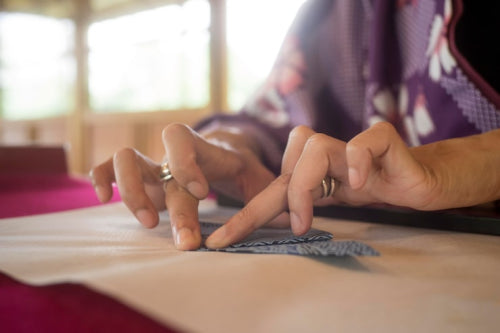
The resurgence of Indian handloom represents more than a trend it's a meaningful return to craftsmanship in an age dominated by speed and uniformity. Across homes in the United States, Canada and Europe, discerning buyers increasingly choose textiles that embody authenticity: breathable linens, lustrous silks and soft cottons woven by hand, each piece carrying the quiet dedication of skilled artisans. This shift reflects a broader preference for sustainable, ethically produced goods that support real people and endure over time.
IndieHaat plays a pivotal role in this movement, connecting India's weavers directly to global customers. By offering handmade items with unique designs crafted solely from authentic and pure fabrics linen, silk and cotton the platform eliminates intermediaries, ensuring fair value reaches the artisans while delivering exceptional quality to buyers.
Fast fashion erodes cultural heritage, sidelining artisans and reducing traditions to trends. At IndieHaat, we champion India's craftspeople with handcrafted sarees, apparel, décor and skincare rooted in authenticity. Each piece embodies skill and ethical care. Support artisans and preserve India's timeless legacy Shop Now!
The Timeless Value of Indian Handloom
Indian handloom preserves centuries-old techniques, yielding fabrics celebrated for their natural texture, comfort and subtle variations that no machine can replicate. This heritage supports millions of weavers and aligns with growing global interest in thoughtful, low-impact materials.
In India, the home decor sector closely linked to textiles continues its steady expansion, driven by urbanization, higher disposable incomes and the rise of e-commerce. Recent insights show the market advancing due to demand for fashionable yet functional items, with examples like new retail openings highlighting regional momentum in sustainable and culturally rooted designs.
Internationally, this resonates strongly in Western markets. Consumers in the US, Canada and Europe prioritize transparency and environmental responsibility, often favoring pieces that promise longevity and ethical origins over disposable alternatives.
Current Trends Shaping Demand
Once considered specialty items, handloom products now appear regularly in everyday wardrobes and home settings. In India, online channels have broadened access, boosting artisan visibility and sales.
In the US, Canada and Europe, the emphasis falls on durability and conscience. Buyers seek versatile staples lightweight cotton sarees for layering, elegant silk scarves, pure linen curtains, or cozy handwoven throws that blend tradition with contemporary living. Awareness of fast fashion's environmental footprint has accelerated interest in natural-fiber alternatives that feel personal and responsible.
Categories gaining traction include apparel accents like scarves and sarees, alongside home textiles such as upholstery fabrics and decorative throws. These items add character and warmth, appealing to those seeking distinction from mass-produced uniformity.
IndieHaat's Direct Connection Model
IndieHaat simplifies the journey from loom to doorstep. By working closely with artisans, the platform guarantees that every product from airy mul cotton sarees to richly textured silk pieces reflects genuine skill and individual creativity.
This approach resonates particularly in markets valuing provenance. Detailed artisan backgrounds and fabric explanations bridge the gap created by distance, transforming an online purchase into a trusted, story-driven experience.
Overcoming Buyer Concerns
Artisanal pricing naturally exceeds factory-made options, reflecting the hours of skilled labor, small-batch production and high-quality natural materials that improve with age. The inability to physically handle items online can spark hesitation, while concerns about authenticity persist amid imitations.
IndieHaat addresses these directly. Strict focus on only linen, silk and cotton assures lasting quality and purity. Engaging narratives around each creation educate and reassure, while the artisan-direct model reduces unnecessary costs and builds confidence through transparency. Many customers, after experiencing the superior drape, breathability and durability, find the investment worthwhile.
Expanding Opportunities and Support
Digital platforms continue opening pathways for artisans to reach wider audiences. Initiatives such as India's Handloom Mark provide certification that verifies authenticity an important signal for international shoppers concerned about genuineness.
Compelling storytelling illuminating regional weaving traditions, natural dyeing methods, or artisan livelihoods deeply connects with sustainability-minded consumers. Advances in presentation, including detailed photography, virtual views, or trial sample options, help narrow the tactile divide.
Partnerships with designers or conscious brands further elevate visibility, positioning handloom as both heritage and innovation.
A Forward-Looking Revival
The growing embrace of Indian handloom underscores a larger cultural moment: a preference for meaningful creation amid accelerating change. In the US, Canada and Europe, where conscious consumption gains ground, platforms like IndieHaat empower artisans economically while offering buyers textiles imbued with purpose and permanence.
Every saree draped, every curtain hung, every throw folded extends a living tradition. Far from their origins, these handcrafted pieces affirm that exceptional quality and human touch remain irreplaceable.
In homes throughout the United States, Canada and Europe, a subtle yet powerful change is taking place. Shoppers are moving beyond the uniformity of mass production toward textiles that feel alive fabrics woven slowly on traditional looms, carrying the imprint of human hands and centuries of skill. This is the quiet but steady revival of Indian handloom, driven by a shared desire for authenticity, sustainability and lasting value.
IndieHaat anchors this transformation, linking India's artisan weavers directly to thoughtful buyers in these markets. The platform specializes in handmade items featuring unique designs and crafted exclusively from authentic and pure fabrics linen, silk and cotton only ensuring ethical sourcing, fair returns to creators and exceptional quality for customers.
The Enduring Significance of Indian Handloom
Handloom is more than cloth; it is heritage kept vital through generations. Weavers employ time-honored methods to produce textiles admired for their breathability, natural texture and gentle irregularities that mark true craftsmanship. These qualities align naturally with today's emphasis on mindful consumption and environmental care.
In India, the connected home decor landscape continues to grow, supported by rising incomes, urban living and digital access. This creates fertile conditions for handloom to thrive, blending cultural resonance with practical appeal for modern interiors.
That momentum echoes abroad. In the US, Canada and Europe, consumers show clear preference for ethical, transparent products. Many willingly choose items that support artisans and minimize ecological harm, finding in handloom an ideal match: low-waste production rooted in tradition yet suited to contemporary needs.
Key Trends Driving Interest Today
Handloom has shifted from niche to notable presence. Domestic e-commerce in India has expanded reach, allowing more people to discover and acquire artisan work conveniently.
Across Western markets, sustainability shapes choices. Buyers gravitate toward durable, versatile pieces breathable linen sarees for warm-weather styling, elegant silk scarves, pure cotton throws, or textured curtains that offer both function and character. Heightened awareness of fast fashion's drawbacks has steered attention toward natural, enduring alternatives.
Popular Categories Gaining Traction
- Sarees and drapes for sophisticated layering and occasion wear
- Scarves and shawls as adaptable accessories
- Home accents including throws, cushions and upholstery in natural fibers
These selections bring individuality and warmth to living spaces, standing apart from standardized options.
How IndieHaat Delivers Authenticity
IndieHaat streamlines the artisan-to-buyer relationship. Each listing highlights the maker's story and process, giving customers insight into the dedication behind every thread.
This transparency proves especially valuable in distant markets. Detailed descriptions, close-up imagery and fabric specifics help overcome physical separation, fostering trust and connection in every transaction.
Responding to Common Hesitations
Cost often stands out handcrafted work requires more investment than machine-produced goods. The price reflects genuine inputs: skilled time, limited output and premium natural materials that wear beautifully over years.
Online shopping raises valid questions about touch and authenticity. Counterfeits elsewhere can undermine confidence.
IndieHaat counters effectively through unwavering commitment to pure linen, silk and cotton, rigorous quality standards and open storytelling. The direct-from-artisan structure supports fair pricing while maximizing returns to weavers. Buyers frequently discover that the superior hand-feel, drape and longevity justify the choice.
Opportunities for Continued Growth
Digital innovation keeps expanding access. Certification programs like the Handloom Mark offer verified authenticity, reassuring global purchasers.
Rich narratives detailing weaving regions, natural processes, or community impact resonate strongly with values-driven audiences. Improved visuals, potential sampling and selective collaborations can further reduce barriers and heighten appeal.
Looking Forward with Purpose
This revival of Indian handloom signals a deeper cultural alignment: tradition meeting modern priorities of ethics, sustainability and individuality. As consumers in the US, Canada and Europe lean toward conscious decisions, IndieHaat helps ensure artisans gain sustainable livelihoods while providing textiles that enrich homes with meaning.
Thread by thread, these pieces carry forward a legacy. In rooms oceans away from the loom, they quietly prove that the most valuable things are still made by hand.
Frequently Asked Questions
What makes Indian handloom fabrics different from machine-made textiles?
Indian handloom fabrics are woven using centuries-old techniques by skilled artisans, producing natural textures, subtle variations and a quality that machines simply cannot replicate. They are crafted exclusively from pure natural fibers linen, silk and cotton which offer superior breathability, drape and durability that improve with age. Unlike mass-produced textiles, each handloom piece carries the individuality of the weaver, making it a truly one-of-a-kind creation.
Is buying Indian handloom online authentic and how can I verify it?
Authenticity is a valid concern when shopping for handloom online, especially given the presence of machine-made imitations. Look for platforms that work directly with artisans and provide transparent maker stories, detailed fabric descriptions and close-up imagery. Certifications like India's Handloom Mark are also a reliable way to verify that a product is genuinely handwoven, giving international buyers added confidence in their purchase.
Why is Indian handloom considered a sustainable and ethical fabric choice?
Indian handloom is one of the most eco-conscious textile choices available, as it relies on low-waste, traditional production methods using natural fibers like linen, silk and cotton rather than synthetic alternatives. By purchasing directly from artisan-led platforms, buyers help eliminate intermediaries and ensure fair wages reach the weavers who craft each piece. For consumers in the US, Canada and Europe looking to move away from fast fashion, handloom offers a durable, ethically sourced option that aligns with values of transparency and environmental responsibility.
Disclaimer: The above helpful resources content contains personal opinions and experiences. The information provided is for general knowledge and does not constitute professional advice.
You may also be interested in: Ilkal Sarees: Unveiling the Elegance of Karnataka's Handwoven
Fast fashion erodes cultural heritage, sidelining artisans and reducing traditions to trends. At IndieHaat, we champion India's craftspeople with handcrafted sarees, apparel, décor and skincare rooted in authenticity. Each piece embodies skill and ethical care. Support artisans and preserve India's timeless legacy Shop Now!
Powered by flareAI.co