
State-Led Programs Supporting Regional Weavers
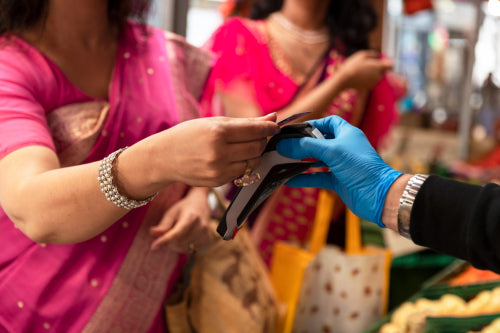
Handloom weaving is far more than an occupation it is a living cultural asset that supports rural economies and sustains unique regional identities. From the soft glow of Banarasi silk to the bold geometric motifs of Pochampally ikat and the vibrant weaves of Kanchipuram, these crafts carry centuries of knowledge passed down through families. Without steady policy backing, however, many traditions risk fading as younger generations migrate to cities in search of steadier incomes.
Governments worldwide have recognised this cultural and economic value. In India, targeted initiatives under the Ministry of Textiles work hand in hand with private platforms to connect artisans directly with buyers. Similar efforts appear in the United States through grants for indigenous communities, in Singapore via design integration programmes, and in Australia supporting Aboriginal weavers. Each approach reflects local priorities, yet all share a common goal: keeping craft alive while helping artisans thrive economically in a modern context.
Fast fashion erodes cultural heritage, sidelining artisans and reducing traditions to trends. At IndieHaat, we champion India's craftspeople with handcrafted sarees, apparel, décor, and skincare rooted in authenticity. Each piece embodies skill and ethical care. Support artisans and preserve India's timeless legacy Shop Now!
Emerging Trends Shaping Weaver Support
Across India, schemes for the promotion of artisans and craftsmen have gained significant momentum. These programmes emphasise skill upgradation, innovative design development, and stronger market linkages. A notable shift involves the adoption of digital tools governments are helping build online archives of traditional motifs and supporting e-commerce presence so weavers can reach buyers far beyond their villages, turning local talent into a national and global strength.
In the United States, state-level grants frequently partner with universities to document and revive indigenous textile techniques. Singapore integrates traditional crafts into cultural festivals and design education, fostering fresh appreciation among younger citizens. Australia channels support through regional art councils to sustain Aboriginal weaving practices, while the UK and UAE focus on heritage funds and tourism-linked artisan markets that celebrate cultural authenticity.
India's Dedicated Initiatives for Handloom Weavers
The Khadi and Village Industries Commission (KVIC) stands out as a powerful example of effective intervention. Through comprehensive training, reliable raw material support, and strategic brand promotion, KVIC has helped thousands of rural weavers achieve steadier incomes and greater dignity in their work. Many are now integrating with digital marketplaces that showcase authentic handcrafted products to urban and international customers, beautifully blending heritage with modern convenience.
Real-World Examples of Transformative Impact
Consider the weavers of Maheshwar in Madhya Pradesh. Government-supported clusters have enabled them to refine designs, adopt natural dyes, and market their distinctive sarees more effectively across India and abroad. Similar success stories emerge from Sikkim, where state initiatives help women weavers preserve traditional backstrap loom techniques while exploring new product lines suited to contemporary tastes.
In New Mexico, USA, state-funded workshops collaborate with Native American artisans to blend traditional patterns with contemporary fashion demands. Singapore's design incubators provide micro-grants that allow craft entrepreneurs to experiment and scale their businesses. Australian Aboriginal cooperatives regularly participate in national exhibitions, gaining valuable visibility and fair-trade opportunities. In the UK, Heritage Lottery Fund projects have revived weaving schools, and the UAE incorporates artisan skills into cultural tourism experiences that attract visitors from around the world.
These examples demonstrate how targeted support creates ripple effects stronger family incomes, preserved cultural knowledge, and renewed pride in traditional crafts.
Navigating Persistent Challenges in the Sector
Despite notable progress, several hurdles remain. Funding delays and complex bureaucratic processes can slow down the timely reach of benefits to grassroots artisans. Many young people still drift toward urban jobs, leading to a gradual loss of specialised weaving skills that took generations to perfect. Weavers often struggle with direct market access, particularly in international trade, and must carefully balance authentic traditional methods with evolving consumer preferences for contemporary designs and sustainable materials.
These challenges highlight the urgent need for smarter implementation: simpler application processes, stronger digital literacy training for artisans, and better coordination between various government departments to ensure seamless support.
Opportunities Ahead Through Digital Reach and Sustainability
The most promising path forward lies in deeper collaboration between governments and private digital platforms. By streamlining distribution, managing logistics, and handling payments efficiently, such partnerships allow weavers to focus on what they do best creating beautiful, meaningful products rich in cultural significance. Platforms that emphasise traceability, artisan stories, and ethical practices strongly resonate with today's conscious buyers who seek authenticity.
Adopting eco-friendly natural dyes and fibres further enhances market appeal as global consumers increasingly value sustainability alongside craftsmanship. When regional weavers gain better market access through these channels, they contribute meaningfully to local economies while keeping cultural knowledge vibrant for future generations. Consumer demand for unique, handmade, and culturally significant products continues to drive interest in traditional textiles and handicrafts.
Public-Private Partnerships as the Sustainable Model
Experts and practitioners agree that sustainable growth in the handloom sector depends on strong public-private partnerships. Governments provide essential policy direction, training infrastructure, and initial capital support. Private players contribute marketing expertise, advanced technology solutions, and access to wider customer networks. Together, they create robust ecosystems where artisans are recognised as skilled entrepreneurs rather than mere beneficiaries of welfare schemes.
Key recommendations for the future include focused skill development programmes that blend traditional techniques with digital tools, easier export facilitation mechanisms, and greater recognition of artisan contributions through national awards and systematic documentation of oral histories and craft knowledge.
Looking Ahead: Heritage and Innovation in Perfect Harmony
The future of regional weaving lies in a thoughtful fusion honouring time-tested methods while embracing innovation in design, materials, and market reach. State programmes play a catalytic role in this journey, but lasting success will come from listening closely to weavers themselves, systematically removing barriers, and celebrating their work as vital cultural and economic assets for the nation.
As more consumers actively seek products with soul and genuine stories, the artisans who have preserved these crafts for generations deserve every opportunity to prosper. With continued smart policy support and collaborative effort, India's weaving communities and their counterparts in other countries can look forward to a future where tradition and opportunity weave seamlessly together, creating prosperity while safeguarding priceless heritage.
Why Supporting Weavers Matters for Conscious Consumers and Businesses
Backing state-led initiatives for handloom weavers is not merely about preserving nostalgia. It represents a meaningful investment in sustainable livelihoods, cultural diversity, and ethical supply chains that benefit everyone involved. When you choose handcrafted products from empowered regional weavers, you become an active participant in a larger story of preservation and progress.
Platforms dedicated to authentic Indian crafts make it easier than ever for buyers to connect directly with these skilled makers and bring their beautiful, story-rich work into modern homes and wardrobes. By championing these programmes, we ensure that the living heritage of weaving continues to enrich lives both for those who create with passion and those who cherish the results with pride.
This approach not only strengthens rural economies but also positions India as a global leader in sustainable and culturally rich handicrafts, driven by empowered artisans and forward-thinking policies.
Frequently Asked Questions
What are some state-led programs in India that support regional handloom weavers?
India's Ministry of Textiles runs targeted initiatives that connect artisans directly with buyers, while the Khadi and Village Industries Commission (KVIC) provides training, raw material support, and brand promotion to help rural weavers achieve steadier incomes. State-level clusters in places like Maheshwar (Madhya Pradesh) and Sikkim have helped weavers refine designs, adopt natural dyes, and expand their market reach both domestically and internationally. These programs are increasingly incorporating digital tools, including online archives of traditional motifs and e-commerce platforms, to bring handcrafted products to urban and global customers.
How do public-private partnerships help handloom weavers thrive in today's market?
Public-private partnerships combine government policy, training infrastructure, and funding with private-sector expertise in marketing, technology, and customer reach creating ecosystems where artisans are recognized as skilled entrepreneurs rather than welfare recipients. Digital platforms handle logistics, payments, and distribution, freeing weavers to focus on their craft while reaching conscious buyers who value authenticity, traceability, and ethical sourcing. This collaborative model is widely considered the most sustainable path forward for the handloom sector.
What challenges do regional weavers face despite government support programs?
Even with growing policy attention, weavers often encounter funding delays, complex application processes, and limited access to international markets that slow down the real-world impact of support schemes. A significant concern is the migration of younger generations to cities, which risks the gradual loss of specialized weaving skills refined over centuries. Addressing these gaps requires simpler bureaucratic processes, stronger digital literacy training for artisans, and better inter-departmental coordination to ensure benefits reach grassroots communities efficiently.
Disclaimer: The above helpful resources content contains personal opinions and experiences. The information provided is for general knowledge and does not constitute professional advice.
You may also be interested in: The Delicate Art of Cutwork Embroidery: A Timeless Technique
Fast fashion erodes cultural heritage, sidelining artisans and reducing traditions to trends. At IndieHaat, we champion India's craftspeople with handcrafted sarees, apparel, décor, and skincare rooted in authenticity. Each piece embodies skill and ethical care. Support artisans and preserve India's timeless legacy Shop Now!
Powered by flareAI.co