
Sustainable Dyeing Techniques Draw Informed Buyers
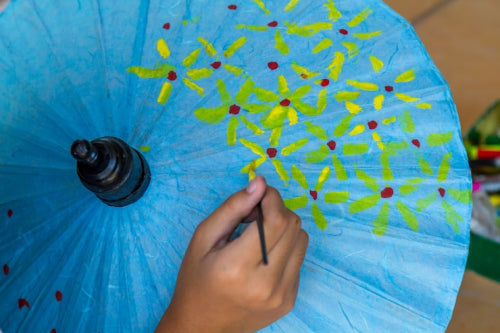
In a world overwhelmed by fast fashion and synthetic materials, a thoughtful movement is gaining strength among discerning buyers who look beyond surface appeal. They seek garments rich with history, crafted through sustainable dyeing techniques that honor both the environment and skilled hands. Traditional Indian handloom sarees, enhanced by these natural processes, are attracting informed customers who prioritize authenticity, responsibility, and lasting cultural value. At indiehaat.com, this connection thrives as the platform links buyers directly with artisans preserving these time-honored methods.
Fast fashion erodes cultural heritage, sidelining artisans and reducing traditions to trends. At IndieHaat, we champion India's craftspeople with handcrafted sarees, apparel, décor, and skincare rooted in authenticity. Each piece embodies skill and ethical care. Support artisans and preserve India's timeless legacy Shop Now!
The Timeless Appeal of Natural Dyes
Whether exploring vibrant markets in India or scrolling through collections from distant shores, the deep, living colors of handloom sarees stand out. Much of their distinctiveness comes from natural dyes sourced from plants, minerals, and traditional ingredients. Indigo leaves yield profound blues, turmeric brings warm golds, and madder root produces earthy reds. These alternatives avoid the environmental harm and skin sensitivities often linked to chemical dyes, instead offering hues that soften and mature beautifully over time.
Artisans refine these techniques across generations, adapting mixtures to available local resources and changing seasons. This approach yields subtle variations rather than mechanical uniformity, giving each saree its own character. Customers in key regions India, the US, Singapore, Australia, the UK, and the UAE respond strongly to this genuine quality, particularly when engaging through platforms that foster direct artisan relationships.
What Draws Informed Buyers to Sustainable Methods
Modern shoppers, active across Instagram, Facebook, and YouTube, approach purchases with careful research. They recognize how sustainable dyeing lessens ecological strain while promoting better conditions for weavers. Handmade items directly sourced from artisans provide a level of openness rarely found in mass production.
Distinctive designs arise organically as natural dyes respond uniquely to pure fabrics such as linen, silk, and cotton. These materials offer breathability, elegant drape, and durability with proper care attributes that appeal to those weary of throwaway apparel. The true draw lies in acquiring a piece that embodies human craftsmanship and narrative depth.
Navigating Common Buyer Concerns
Perceived high pricing can initially deter interest, yet many realize that a well-chosen handloom saree functions as a versatile wardrobe staple capable of spanning occasions and generations. The value stems from fair pay for expertise and quality natural resources rather than artificial premiums. Online trust issues frequently surface, especially without the ability to examine the fabric in person. Trusted sources address this through detailed artisan profiles, detailed photography of weaves and dye effects, and transparent policies that prioritize customer confidence.
The absence of tactile experience is eased by rich visuals, genuine feedback, and informative explanations of fabric properties and production steps. Shoppers from varied locations often express greater assurance once they understand the creation process, converting doubt into genuine enthusiasm.
Core Sustainable Dyeing Approaches
Traditional practices excel in balancing ecological care with aesthetic excellence. Fermentation-based indigo methods, for example, conserve water while developing intense shades free from aggressive synthetics. Natural mordants like alum or iron help anchor colors securely, delivering endurance without reliance on artificial fixatives.
When combined with block printing, these dyes enable elaborate patterns rooted in regional traditions ranging from delicate florals to bold geometrics. The labor-intensive nature, involving repeated immersions and sunlight exposure, creates fabrics possessing genuine depth and personality that automated systems struggle to duplicate.
Fabrics That Enhance Natural Color
Linen contributes a textured, organic absorption that produces lively, uneven effects. Silk reflects light with luminous richness, while cotton delivers everyday comfort and adaptability. Together with sustainable dyeing, these pure materials merge heritage with contemporary appeal, resonating with buyers committed to ethical decisions.
Broader Shifts Supporting Conscious Selections
Rising appreciation for handloom reflects wider movements toward mindful consumption. Interest in sustainable handloom sarees continues to build, aided by easier digital access and a focus on authenticity. The India saree market shows steady expansion fueled by these preferences.
Asia Pacific maintains a leading position thanks to its established expertise in traditional weaving. Younger audiences, shaped by social platforms and cultural influences, gravitate toward items blending legacy with environmental awareness. This trend delivers tangible benefits to artisan communities, fostering livelihoods and safeguarding techniques at risk of being lost.
Bridging Distances Through Thoughtful Marketplaces
Digital venues such as indiehaat.com effectively connect Indian craftspersons with global audiences. Emphasis on direct sourcing helps ensure artisans receive a meaningful portion of the proceeds. Visitors can discover selections inspired by living creators, often highlighted through dedicated Instagram profiles showcasing traditional textile work.
Such approaches tackle potential hesitations by spotlighting purity limited strictly to linen, silk, and cotton and standout designs that differ markedly from conventional retail offerings. Resources explaining dyeing processes strengthen confidence, empowering decisions regardless of geographic separation.
Guidance for Selecting Quality Handloom Sarees
- Seek clear information on dye origins and fabric makeup to verify natural foundations.
- Review descriptions of weave density and color retention as signs of skilled execution.
- Evaluate adaptability for both classic and modern styling preferences.
- Choose outlets that openly share artisan stories and making processes.
- Begin with accessible options like cotton or linen before exploring finer silks.
Clarifying Misunderstandings Around Heritage Textiles
A few assume handloom garments demand excessive care or lack resilience, yet simple routines mild cleansing and natural drying help them retain vibrancy across years. Concerns about uniformity overlook how intentional variations celebrate the artisan's touch and add distinctive charm.
Ideas that responsible choices must carry steep costs ignore the extended lifespan and reduced replacement needs, which ultimately support both personal economy and planetary health. Growing digital literacy steadily replaces outdated views with deeper, appreciative understanding.
The Enduring Value Woven Into Tradition
Sustainable dyeing practices accomplish far more than attractive results. They nurture communities, safeguard natural systems, and open doors to meaningful engagement with textile legacies. Amid accelerating consumption patterns, opting for ethically produced handloom represents a conscious commitment to balanced living.
Buyers may be motivated by the sensory qualities of authentic fabrics, the narratives captured in singular patterns, or the fulfillment of backing skilled creators. These sarees foster connection across distances. As awareness of traditional methods spreads among thoughtful purchasers, the outlook for handloom remains both colorful and resilient.
Whenever you wrap yourself in a handloom saree, pause to consider the dedicated hands, natural elements, and careful patience that infused its colors with life. This perspective elevates an everyday garment into a powerful link between inherited knowledge and today's values of care and integrity.
Frequently Asked Questions
What are sustainable dyeing techniques used in traditional Indian handloom sarees?
Sustainable dyeing techniques rely on natural sources like indigo leaves for blues, turmeric for warm golds, and madder root for earthy reds, avoiding the environmental harm associated with chemical dyes. Methods such as fermentation-based indigo dyeing conserve water and use natural mordants like alum or iron to fix colors without synthetic additives. These labor-intensive processes involving repeated immersions and sunlight exposure create fabrics with unique depth and character that machine production cannot replicate.
Why are informed buyers choosing naturally dyed handloom sarees over fast fashion?
Informed buyers are drawn to naturally dyed handloom sarees because they offer transparency, ethical sourcing, and a lower ecological footprint compared to mass-produced garments. Natural dyes paired with pure fabrics like silk, linen, and cotton deliver breathability, elegant drape, and long-term durability qualities that contrast sharply with throwaway fast fashion. Purchasing directly from artisans also ensures fair compensation for skilled craftsmanship and helps preserve centuries-old textile traditions at risk of disappearing.
Are handloom sarees with natural dyes worth the price, and how should you care for them?
Yes the higher price of naturally dyed handloom sarees reflects fair artisan wages, quality natural materials, and skilled craftsmanship, making them a cost-effective investment over time due to their longevity and reduced need for replacement. Unlike synthetic alternatives, these sarees develop richer, more nuanced color as they age with proper care. Maintenance is straightforward: mild cleansing and natural drying are sufficient to preserve their vibrancy and structural integrity across many years of wear.
Disclaimer: The above helpful resources content contains personal opinions and experiences. The information provided is for general knowledge and does not constitute professional advice.
You may also be interested in: Handloom vs Machine-Made: A Shopper's Guide - Indiehaat.com
Fast fashion erodes cultural heritage, sidelining artisans and reducing traditions to trends. At IndieHaat, we champion India's craftspeople with handcrafted sarees, apparel, décor, and skincare rooted in authenticity. Each piece embodies skill and ethical care. Support artisans and preserve India's timeless legacy Shop Now!
Powered by flareAI.co