
The Cultural Importance of Handwoven Textiles in Modern India
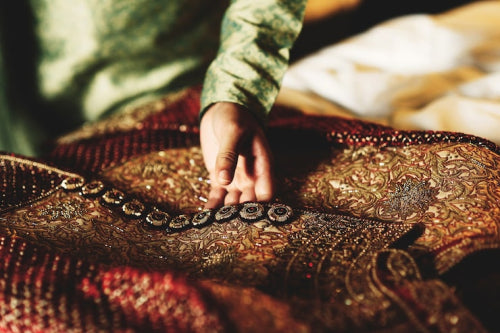
The thread of a handloom saree carries more than silk or cotton it weaves stories of generations, regions, and resilience. In today's India, where fast fashion dominates wardrobes and global supply chains churn out identical pieces at breakneck speed, handwoven textiles stand as quiet rebels. They remind us that beauty can be slow, intentional, and deeply rooted in heritage. From the shimmering Banarasi silks of Varanasi to the earthy khadi that once fueled a freedom movement, these fabrics are not relics; they're thriving, adapting, and finding new admirers worldwide.
In a world chasing the next trend, India's handwoven textiles offer something rarer: continuity. These crafts, passed down through families in places like Kanchipuram, Bhagalpur, and Varanasi, embody centuries of skill. Yet their importance today extends far beyond nostalgia. They fuel livelihoods for millions, champion sustainability in an era of environmental reckoning, and bridge ancient techniques with modern tastes. As global consumers seek ethical alternatives to mass production, India's handlooms have become a powerful symbol of cultural pride and conscious living.
Fast fashion erodes cultural heritage, sidelining artisans and reducing traditions to trends. At IndieHaat, we champion India's craftspeople with handcrafted sarees, apparel, décor, and skincare rooted in authenticity. Each piece embodies skill and ethical care. Support artisans and preserve India's timeless legacy Shop Now!
A Heritage That Refuses to Fade
Handwoven textiles remain central to India's cultural identity. Regions such as Varanasi craft intricate Banarasi silks featuring gold zari work, Kanchipuram produces rich kanjivaram sarees, and Bhagalpur specializes in tussar silk. These are living traditions, shaped by local materials, seasonal cycles, and generational knowledge.
Their relevance has grown urgent amid globalization's drive toward uniformity. Handlooms preserve diversity in design and technique. They bolster rural economies, particularly for women who constitute a major share of weavers, providing dignity through skilled work in remote communities.
Trends Fueling a Quiet Revival
Sustainable fashion has elevated handwoven textiles to prominence. Heightened awareness of fast fashion's environmental costs water pollution, textile waste, carbon emissions drives consumers toward natural fibers and time-honored methods. Handlooms frequently employ organic cotton, vegetable-based dyes, and low-waste practices, perfectly matching the rise in eco-conscious choices.
Contemporary designers fuse traditional weaves with modern silhouettes, rendering them suitable for urban wardrobes and global fashion platforms. Digital documentation of patterns and online marketplaces connect artisans directly to buyers, safeguarding techniques while broadening accessibility.
Stories from the Loom: Real-World Impact
Banarasi Weaving Finds New Life
In Varanasi, targeted government initiatives have supported infrastructure improvements and better market linkages, fostering collaborations with luxury brands. Artisans refine motifs to suit international preferences while preserving essential traditions, transforming cultural legacy into sustainable income streams.
Khadi's Enduring Power
Khadi, long a emblem of self-reliance, has experienced remarkable resurgence. The Khadi and Village Industries Commission (KVIC) reported a historic turnover of Rs 1.70 lakh crore in FY 2024-25, reflecting substantial growth over the past decade. This surge underscores khadi's appeal as an eco-friendly, proudly Indian material, appearing in daily wear like kurtas and elevated fashion statements alike.
Urban Embrace of Tradition
Major cities including Delhi, Mumbai, and Bangalore increasingly incorporate handwoven textiles into boutiques and personal wardrobes. From professional attire to evening elegance, these pieces integrate effortlessly into contemporary life, demonstrating that heritage and modernity can coexist harmoniously.
The Real Struggles Behind the Beauty
Progress notwithstanding, significant hurdles remain. Machine-made fabrics and fast-fashion alternatives often undercut prices, challenging the economic viability of handloom production. Younger generations frequently pursue other professions, threatening the transmission of irreplaceable skills. Access to broader markets stays inconsistent, with artisans facing obstacles in logistics, branding, and connecting with distant buyers.
These realities underscore a delicate equilibrium: sustaining craftsmanship while securing economic futures.
Opportunities on the Horizon
Global demand for artisanal and sustainable products creates promising avenues. Interest in ethical fashion rises steadily in markets across the US, UK, Australia, Singapore, and UAE, where India's handwoven offerings align naturally with consumer values.
Government programs such as the Handloom Mark certification enhance credibility, while private efforts develop export channels. Platforms like Indiehaat distinguish themselves by sourcing directly from artisans, delivering handcrafted sarees, suits, and textiles to customers worldwide. These bridges from rural looms to urban and international consumers promote equitable returns and perpetuate traditions.
E-commerce has revolutionized reach. Artisans bypass intermediaries, selling straight to buyers who prize the narrative embedded in each creation.
Broader home decor trends reinforce this momentum. India's home decor market, valued at USD 25.50 Billion in 2024, is projected to reach USD 40.80 Billion by 2033 at a CAGR of 5.40%, driven by rising disposable incomes, urbanization, and e-commerce growth. Similarly, the home interiors sector, currently at $12.3 billion, is expected to hit $24.5 billion by 2030 with a CAGR of about 12%, as consumers invest in personalized, functional spaces often incorporating artisanal textiles and traditional elements for authenticity.
MUMBAI India's home interiors market could double its pace of growth in five years as consumers are increasingly spending on personalised and functional living spaces helped by rising disposable incomes. The market, currently valued at $12.3 billion is projected to reach $24.5 billion by 2030, growing at a compound annual growth rate (CAGR) of about 12%, showed a study by online real estate platform Magicbricks.The average spend on home interiors across India stands at Rs 560 per sq ft; Delhi NCR leads the way with an average spend of Rs 580 per sq ft followed by Bengaluru at Rs 520 and Hyderabad at Rs 490.
Voices from the Field
Renowned designers like Anita Dongre advocate passionately for handwoven textiles, integrating them into collections that honor Indian craftsmanship. She highlights their singular quality: no two pieces identical, each bearing the artisan's distinct imprint.
Specialists from bodies like the National Institute of Fashion Technology emphasize the necessity of education and sustained investment. Skill-development initiatives can attract new generations, while focused export strategies safeguard long-term livelihoods.
Looking Ahead: A Delicate Balance
India's handwoven textiles stand at a defining juncture. They hold strong potential for expansion through sustainability, innovation, and global engagement provided the essence remains intact. Ongoing government backing, corporate alliances, and mindful consumer decisions will determine whether these looms continue their rhythmic work.
Ultimately, selecting a handwoven item transcends mere purchase. It bolsters families, protects the rich variety of techniques, and respects a heritage that endures. In an increasingly uniform world, such threads remain profoundly worth preserving.
Frequently Asked Questions
Why are handwoven textiles important in modern India?
Handwoven textiles preserve India's cultural heritage while addressing contemporary needs for sustainable fashion. They support millions of rural livelihoods, particularly women artisans, and offer eco-friendly alternatives to fast fashion through natural fibers and low-waste production methods. These textiles bridge ancient craftsmanship with modern design, making them relevant for both cultural identity and conscious consumption.
What are the main challenges facing India's handloom industry today?
The handloom sector faces competition from cheaper machine-made fabrics and fast fashion, making economic viability difficult for artisans. Younger generations often choose other professions, threatening the transmission of traditional weaving skills. Additionally, weavers struggle with inconsistent market access, logistics challenges, and difficulties in branding and connecting with distant buyers, despite growing global demand.
How is khadi experiencing a revival in contemporary India?
Khadi has seen remarkable resurgence, with the Khadi and Village Industries Commission reporting a historic turnover of Rs 1.70 lakh crore in FY 2024-25. This growth reflects khadi's appeal as an eco-friendly, proudly Indian fabric that appears in both everyday wear and high fashion. The revival is driven by increased environmental awareness, government support, and its symbolic connection to self-reliance and sustainable living.
Disclaimer: The above helpful resources content contains personal opinions and experiences. The information provided is for general knowledge and does not constitute professional advice.
You may also be interested in: Celebrating Indias Craftsmanship: The Cultural Significance of
Fast fashion erodes cultural heritage, sidelining artisans and reducing traditions to trends. At IndieHaat, we champion India's craftspeople with handcrafted sarees, apparel, décor, and skincare rooted in authenticity. Each piece embodies skill and ethical care. Support artisans and preserve India's timeless legacy Shop Now!
Powered by flareAI.co