
The Impact of Local Craft Cooperatives on Indias Rural Economy
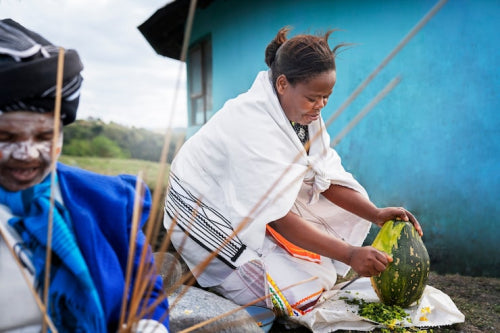
In a sunlit village in Andhra Pradesh, a weaver's hands dance across a loom, crafting silk threads into patterns that echo centuries of tradition. Her creations, once sold only at local markets, now adorn homes in London, Dubai, and Sydney, thanks to platforms like IndieHaat. This is the transformative power of India's local craft cooperatives grassroots collectives that are not only preserving cultural heritage but also driving economic growth in rural communities. By connecting artisans to global markets, these cooperatives are weaving a new narrative of prosperity, sustainability, and pride.
Fast fashion erodes cultural heritage, sidelining artisans and reducing traditions to trends. At IndieHaat, we champion India's craftspeople with handcrafted sarees, apparel, décor, and skincare rooted in authenticity. Each piece embodies skill and ethical care. Support artisans and preserve India's timeless legacy Shop Now!
The Rise of Craft Cooperatives in Rural India
Local craft cooperatives are reshaping India's rural economy, empowering artisans to transform their traditional skills into viable businesses. These collectives comprising weavers, embroiderers, and potters pool resources to create authentic, handmade products like linen sarees, silk scarves, and cotton furnishings, all imbued with India's rich cultural legacy. A report from the Economic Times highlights that over 8.5 lakh cooperatives are pivotal to India's socio-economic progress, fostering self-reliance among artisans, farmers, and small entrepreneurs. For IndieHaat's global audience in India, the US, Singapore, Australia, the UK, and the UAE, these cooperatives offer access to ethically sourced, unique designs that resonate with cultural authenticity.
Consider the story of Salge Tudu, a weaver from East Singhbhum, whose life changed after joining an online platform selling tribal textiles. As reported by the Times of India, her garments, once limited to local buyers, now command premium prices worldwide. Tudu is one of 350 weavers in her district earning thousands monthly, a shift that has brought financial stability, confidence, and pride. This economic empowerment is the cornerstone of craft cooperatives, offering artisans not just income but a renewed sense of purpose.
Global Demand Meets Traditional Craftsmanship
The global market's growing demand for sustainable, handmade products has positioned India's craft cooperatives for success. The Indian Handicrafts and Gifts Fair (IHGF) in Greater Noida exemplifies this trend. Held from October 13 to 17, the 60th IHGF showcased nearly 3,000 exhibitors and attracted buyers from over 110 countries, including key IndieHaat markets like the UK and USA. With India's handicraft exports reaching Rs 33,123 crore (US $3,918 million) in FY 2024-25, the industry is set for further expansion, fueled by a global appetite for authentic, eco-friendly goods.
IndieHaat capitalizes on this trend, connecting rural artisans to international buyers through social media platforms like Instagram, Facebook, and YouTube. By focusing on pure linen, silk, and cotton products sourced directly from artisans, IndieHaat addresses consumer objections like trust deficits through transparent storytelling think artisan profiles on Instagram accounts like @anilarubyraj or @drminimalhotra. Government initiatives, such as the Khadi and Village Industries Commission (KVIC), support these efforts by providing funding and market access, helping cooperatives overcome barriers like high pricing, a common concern for IndieHaat's premium-focused customers.
Navigating Challenges in the Craft Ecosystem
Despite their promise, craft cooperatives face significant hurdles. Mass-produced goods, often cheaper and widely available, pose stiff competition. Ensuring consistent quality across artisans scattered in remote villages is another challenge, as is the lack of formal business training, which hinders cooperative's ability to scale or market effectively. Economic volatility, driven by fluctuating global demand, can also destabilize artisan's livelihoods. Additionally, IndieHaat's customers in markets like Singapore or Australia often hesitate to buy online, craving the tactile experience of feeling a silk shawl or cotton throw before purchasing.
IndieHaat counters these challenges with innovation. By showcasing artisan stories and virtual product tours on social media, it builds trust and bridges the tactile gap. Detailed descriptions and high-quality visuals help customers appreciate the craftsmanship behind each piece. However, high pricing remains a sticking point handmade goods, crafted with care and premium materials, can't match the low costs of factory-made alternatives. IndieHaat emphasizes the value of exclusivity and authenticity, appealing to buyers who prioritize quality and cultural significance over price.
Opportunities for a Sustainable Future
The potential of craft cooperatives extends far beyond economics. They are guardians of India's cultural heritage, preserving traditional techniques in every handwoven saree or embroidered cushion. These products appeal to eco-conscious consumers who shun fast fashion for sustainable alternatives, a trend IndieHaat leverages by offering a digital platform that connects artisans to global buyers from Mumbai to Melbourne. The cooperative model also fosters community, with artisans sharing knowledge and resources to build resilient local economies.
Real-world examples underscore this impact. Dastkar Andhra, a cooperative in Andhra Pradesh, empowers weavers to preserve handloom traditions while earning sustainable incomes. Similarly, the Rajasthan Handloom Development Corporation promotes eco-friendly textiles, providing jobs and training to rural artisans. These cooperatives, often amplified by platforms like IndieHaat, demonstrate how technology can bridge rural craftsmanship and global markets. By leveraging e-commerce and social media, artisans are no longer confined to local fairs they're reaching buyers who value authenticity and are willing to invest in it.
Crafting a Brighter Tomorrow for Rural India
As dusk falls over a Rajasthan village, an artisan carefully folds a handwoven shawl destined for a customer in New York. This simple act, repeated across thousands of cooperatives, is transforming India's rural economy. Craft cooperatives are more than economic engines they are lifelines, blending heritage with opportunity. Platforms like IndieHaat are pivotal, connecting artisans to a global audience while addressing challenges like trust and pricing. To thrive, cooperatives need enhanced training, broader market access, and robust digital tools. Yet, the trajectory is clear: as one artisan put it, “Every thread I weave is a step toward a better future.” For India's rural communities, these threads are weaving a tapestry of resilience, sustainability, and hope, proving that tradition can fuel progress in a modern world.
Frequently Asked Questions
How do craft cooperatives help rural artisans in India?
Craft cooperatives empower rural artisans by pooling resources, connecting them to global markets, and transforming traditional skills into viable businesses. These collectives enable weavers, embroiderers, and potters to earn sustainable incomes some artisans now earn thousands monthly compared to limited local sales previously. Cooperatives also provide artisans with renewed confidence, financial stability, and the ability to preserve their cultural heritage while accessing international buyers through platforms like IndieHaat.
What challenges do Indian craft cooperatives face in competing with mass-produced goods?
Craft cooperatives struggle with competition from cheaper mass-produced items, maintaining consistent quality across scattered rural artisans, and lack of formal business training for scaling operations. Economic volatility from fluctuating global demand also threatens artisan's livelihoods, while high pricing remains a concern since handmade goods require premium materials and craftsmanship. Platforms like IndieHaat address these challenges through transparent storytelling, artisan profiles on social media, and emphasizing the value of exclusivity and authenticity over price.
How big is India's handicraft export market and which countries are the main buyers?
India's handicraft exports reached Rs 33,123 crore (approximately US $3,918 million) in FY 2024-25, with strong growth expected due to global demand for sustainable, handmade products. Major buying markets include the UK, USA, Singapore, Australia, and UAE, with buyers from over 110 countries attending trade fairs like the Indian Handicrafts and Gifts Fair (IHGF). This growing international appetite for authentic, eco-friendly goods positions Indian craft cooperatives for continued expansion in the global marketplace.
Disclaimer: The above helpful resources content contains personal opinions and experiences. The information provided is for general knowledge and does not constitute professional advice.
You may also be interested in: Handmade Sarees Empower Women Artisans in Rural India
Fast fashion erodes cultural heritage, sidelining artisans and reducing traditions to trends. At IndieHaat, we champion India's craftspeople with handcrafted sarees, apparel, décor, and skincare rooted in authenticity. Each piece embodies skill and ethical care. Support artisans and preserve India's timeless legacy Shop Now!
Powered by flareAI.co