The Intersection of Tradition and Modernity in Indias Handcrafted Goods Market
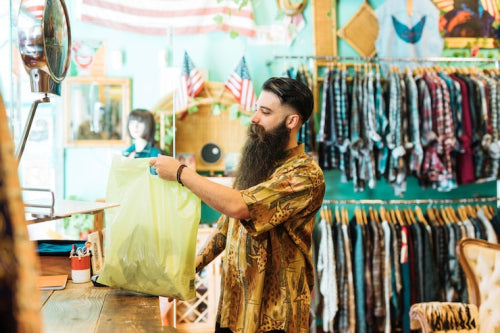
In the vibrant streets of Bangalore, where the aroma of spices mingles with the click of keyboards in tech hubs, a subtle transformation is taking place. Ancient weaving techniques, passed down through generations, are now finding their way into sleek online stores, merging the soul of India's heritage with the speed of modern commerce.
This fusion defines India's handcrafted goods sector today a dynamic arena where tradition meets innovation, sustaining millions while appealing to discerning global consumers tired of uniform, factory-produced items. As we delve into this world, it's clear that the market isn't just surviving; it's thriving, adapting to contemporary tastes without losing its cultural essence.
Fast fashion erodes cultural heritage, sidelining artisans and reducing traditions to trends. At IndieHaat, we champion India's craftspeople with handcrafted sarees, apparel, décor, and skincare rooted in authenticity. Each piece embodies skill and ethical care. Support artisans and preserve India's timeless legacy Shop Now!
A Robust Market Anchored in History
The landscape of India's handicrafts industry reveals impressive growth. In 2024, the market achieved a value of USD 4,565.0 million, with projections indicating it will climb to USD 8,198.5 million by 2033. This trajectory reflects a compound annual growth rate of 6.39% from 2025 to 2033. Key catalysts include escalating disposable incomes, heightened interest in ethnic and artisanal decorations, the proliferation of digital shopping avenues, governmental backing via export incentives, a surge in travel, and a universal inclination toward environmentally conscious goods.
Regionally, the industry spans North India, West and Central India, South India, and East India, each contributing unique styles influenced by local resources and customs. Product categories encompass a wide array, such as woodware, artistic metal items, printed textiles and scarves, embroidered fabrics, zari-embellished pieces, faux jewelry, sculptures, ceramic and glass products, essential oils and incense, among others. Distribution occurs through mass merchants, department stores, local shops, niche outlets, and increasingly, online platforms, catering to both home and business needs.
Beyond numbers, this sector plays a pivotal role in the nation's economy, providing livelihoods to over seven million individuals, with more than 56% being female craftspeople. Scattered across 744 specialized clusters, it engages around 212,000 skilled workers, yielding over 35,000 diverse items. Prominent centers like Surat, Bareilly, Varanasi, Agra, Hyderabad, Lucknow, Chennai, and Mumbai operate primarily in countryside and modest urban areas, yet hold vast promise for expansion in metropolitan India and overseas markets.
Recent export figures underscore this vitality. For the fiscal year 2025 (April to February), handicrafts shipments totaled INR 29,391.18 crore, equivalent to USD 3.48 billion. More broadly, India's textile apparel, and handicrafts exports reached USD 18.24 billion from April to September 2025, demonstrating resilience amid global challenges. In November 2025 alone, these categories grew by 9.4% year-over-year to USD 2.86 billion, highlighting sustained momentum.
Spotlight on Recent Milestones
A highlight of the industry's calendar is the Indian Handicrafts and Gifts Fair (IHGF) in Delhi. The 60th autumn edition, held from October 13 to 17, 2025, at the India Expo Centre and Mart in Greater Noida, featured over 3,000 exhibitors across 16 halls and 900 permanent showrooms. This B2B event showcased home furnishings, lifestyle products, interiors, and crafts, drawing buyers from more than 110 nations, including the United States, United Kingdom, and Germany. Themed around the blend of heritage and innovation, it included regional displays, educational seminars, live craft shows, and cultural immersions, fostering connections between exporters and international clients.
Organized by the Export Promotion Council for Handicrafts, the fair has evolved since 1994 into a cornerstone for global sourcing. Leaders emphasized its role in facilitating business networks and promoting India's artisanal prowess abroad. Looking ahead, the 61st spring edition is slated for February 14 to 18, 2026, promising continued growth.
Navigating Tradition into the Digital Era
The true dynamism of this market lies in its adaptability. Craftspeople are embracing authentic materials like linen, silk, and cotton to craft distinctive designs that outshine mass-produced goods. Curated online ventures, such as IndieHaat, a Bangalore-based e-commerce platform, lead this evolution by collaborating directly with artisans to present meticulously chosen handmade clothing, accessories, home accents, and natural skincare.
Distinct from vast marketplaces like Amazon or ONDC, IndieHaat emphasizes a rigorous curation process, guaranteeing superior quality, cultural genuineness, and ethical sourcing. This approach not only empowers artisan communities but also preserves eco-friendly practices, aligning with global sustainability goals.
Digital tools have expanded access to key markets including India, the United States, Singapore, Australia, the United Kingdom, and the United Arab Emirates. Here, buyers desire items with stories narratives of heritage and craftsmanship. Social media giants like Instagram, Facebook, and YouTube serve as amplifiers, sharing artisan journeys and turning products into symbols of mindful consumption.
Emerging Trends Shaping the Future
Several trends are reshaping the handicrafts landscape. Sustainability reigns supreme, with consumers favoring materials like bamboo and recycled fabrics, driving eco-conscious innovations. Personalization is on the rise, allowing buyers to customize pieces, blending traditional motifs with modern aesthetics for unique appeal.
Digital integration accelerates this shift; e-commerce and social selling platforms enable artisans to reach global audiences directly, bypassing traditional intermediaries. Fusion designs merging age-old techniques with contemporary styles are gaining traction, as seen in handcrafted furniture and metal art that fit urban lifestyles.
Moreover, there's a growing emphasis on ethical practices, with brands highlighting fair wages and community upliftment. Government schemes and skill-building initiatives further bolster this, ensuring artisans adapt to market demands while safeguarding cultural legacies. Projections suggest the sector could grow at 7% annually from 2025 to 2030, fueled by these developments.
Addressing Hurdles and Forging Ahead
Despite the optimism, challenges persist. Elevated prices can deter budget-conscious shoppers, stemming from the labor-intensive nature of handmade work. Trust issues arise in online transactions, where buyers miss the tactile experience of products. Fragmented supply chains and competition from fast fashion add pressure.
Yet, solutions are emerging. Transparent sourcing stories and detailed product visuals build confidence, while virtual try-ons and customer testimonials address sensory gaps. Brands like IndieHaat counter high costs by emphasizing value durability, uniqueness, and social impact. Governmental support, including export promotions and training, fortifies the supply chain, enabling artisans to scale sustainably. In an increasingly disconnected world, these handcrafted items foster real bonds, embedding cultural narratives into daily living.
An Enduring Tapestry of Progress
As India's handicrafts market propels forward, it exemplifies that advancement and tradition can coexist harmoniously. Every handwoven saree, intricately embroidered scarf, or sculpted decor item not only sustains economies but also enriches global households with authenticity. By championing artisans and innovation, the sector weaves a resilient future, ensuring India's artistic heritage thrives for generations to come.
Frequently Asked Questions
What is the current market size of India's handicrafts industry and how fast is it growing?
As of 2024, India's handicrafts market is valued at USD 4,565.0 million and is projected to reach USD 8,198.5 million by 2033, growing at a compound annual growth rate (CAGR) of 6.39%. This growth is driven by increasing disposable incomes, rising demand for artisanal products, digital commerce expansion, and a global shift toward sustainable and eco-friendly goods.
How does India's handicrafts sector support employment and artisan communities?
The handicrafts industry provides livelihoods to over seven million individuals across India, with more than 56% being female craftspeople. The sector operates through 744 specialized clusters engaging approximately 212,000 skilled workers who produce over 35,000 diverse handcrafted items. These artisan communities are primarily located in rural and semi-urban areas, contributing significantly to local economies while preserving traditional craft techniques.
What are the emerging trends in India's handcrafted goods market for 2025?
Key trends shaping the market include a strong focus on sustainability with eco-friendly materials like bamboo and recycled fabrics, increased demand for personalized and customizable products, and digital integration through e-commerce and social media platforms. Fusion designs that blend traditional craftsmanship with modern aesthetics are gaining popularity, while ethical practices emphasizing fair wages and community upliftment are becoming essential differentiators for handicraft brands.
Disclaimer: The above helpful resources content contains personal opinions and experiences. The information provided is for general knowledge and does not constitute professional advice.
You may also be interested in: The Future of Indian Handicrafts in the Global Marketplace: Trends
Fast fashion erodes cultural heritage, sidelining artisans and reducing traditions to trends. At IndieHaat, we champion India's craftspeople with handcrafted sarees, apparel, décor, and skincare rooted in authenticity. Each piece embodies skill and ethical care. Support artisans and preserve India's timeless legacy Shop Now!
Powered by flareAI.co