
The Return of Handmade Soaps in Indias Beauty Market
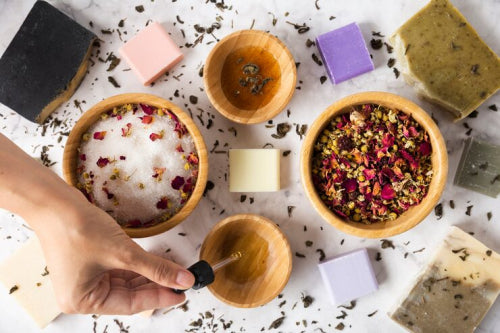
In the vibrant craft clusters of Kerala, where the aroma of sandalwood and tulsi fills the air, a renaissance of handmade soaps is quietly transforming the beauty landscape. Artisans, many from women-led rural cooperatives, are meticulously crafting soaps that resonate with a global audience seeking authenticity and sustainability. This isn't merely a revival of traditional craftsmanship it's a cultural and economic movement, driven by a surge in wellness consciousness and eco-friendly preferences. From Rajasthan's artisanal workshops to upscale boutiques in Dubai and London, handmade soaps are redefining luxury and purpose in the global skincare market.
Fast fashion erodes cultural heritage, sidelining artisans and reducing traditions to trends. At IndieHaat, we champion India's craftspeople with handcrafted sarees, apparel, décor, and skincare rooted in authenticity. Each piece embodies skill and ethical care. Support artisans and preserve India's timeless legacy Shop Now!
A Booming Market Rooted in Tradition
The Indian soap industry, valued at USD 3.77 billion in 2024, is on track to reach USD 7.28 billion by 2034, growing at a robust 6.8% CAGR, according to Expert Market Research. Within this expansive market, herbal soaps, infused with essential oils and organic ingredients, are gaining traction as consumers gravitate toward natural products. This growth is fueled by heightened hygiene awareness post-COVID-19, rising disposable incomes, and urbanization, particularly in North India, which holds a 31.6% market share and a 7.5% regional CAGR through 2034. The Ministry of Micro, Small, and Medium Enterprises (MSME) and Khadi and Village Industries Commission (KVIC) note a significant uptick in artisan-led soap production, especially in Tamil Nadu, Uttar Pradesh, and Kerala, where cooperatives are scaling operations to meet soaring demand.
Each soap tells a story of heritage and care. In Tamil Nadu, self-help groups (SHGs) transform local ingredients like coconut oil and neem into cold-pressed bars, supported by government initiatives. These products, free from synthetic chemicals and wrapped in eco-friendly packaging, are gaining popularity on e-commerce platforms like IndieHaat and even reaching international markets. The allure lies in their purity and purpose handcrafted soaps that embody India's Ayurvedic legacy while addressing modern skincare needs.
Global Demand for India's Artisanal Craft
The appeal of Indian handmade soaps extends far beyond its borders. Globally, the handmade soap market is projected to grow from USD 2.79 billion in 2024 to USD 4.91 billion by 2032, with a 7.3% CAGR, driven by a shift toward eco-friendly, cruelty-free skincare, according to Credence Research. North America leads this trend, but Asia-Pacific, including India, is rapidly emerging as a key player, propelled by urban growth and expanding online retail. Indian artisans, with their expertise in Ayurvedic formulations, are uniquely positioned to capitalize on this demand, offering soaps that blend tradition with contemporary values.
In Singapore, affluent consumers favor minimalist, fragrance-free soaps tailored for sensitive skin, a trend supported by the Health Sciences Authority's emphasis on gentle formulations. In the UAE, Dubai's luxury wellness sector is embracing India's saffron- and rose-infused soaps, often featured as premium gifts in spas and boutique hotels. Australia's eco-conscious market, shaped by stringent palm-oil-free regulations, is turning to India's plant-based soaps, while the UK's focus on transparent ingredient labeling enhances trust in these imports. Each region underscores a universal desire for products that are sustainable, personal, and rooted in authenticity.
Stories of Success and Empowerment
In Karnataka's craft clusters, soap-making is a vibrant blend of tradition and economic empowerment. Rural women, backed by MSME programs, are producing high-quality neem and turmeric soaps that compete with commercial brands. Platforms like IndieHaat are bridging the gap, connecting these artisans to urban Indian consumers and global retailers. In Gujarat, a cooperative recently secured a contract to supply custom rose-infused soaps to a Dubai spa, unlocking new opportunities in the UAE's luxury market.
Internationally, Indian artisans are making significant inroads. A Rajasthan-based group, renowned for its sandalwood soaps, has established a strong presence on a leading US craft marketplace, where buyers praise the “authentic” experience. In Australia, ethical retail chains are stocking Indian soaps as sustainable alternatives to chemical-laden bars, aligning with the country's environmental priorities. These successes highlight a broader cultural exchange, where India's artisanal traditions resonate with global consumers seeking meaningful, eco-conscious products.
Overcoming Hurdles in a Growing Industry
Despite the momentum, challenges persist. Compliance with regulatory standards is a significant barrier. In India, artisans must adhere to AYUSH approvals and FSSAI guidelines, while exporters navigate FDA regulations in the US, Cosmetic Safety Assessments in the UK, and Dubai Municipality standards in the UAE. Scaling production without compromising the handmade ethos is another hurdle over-automation risks eroding the craft's authenticity. Fluctuating costs of raw materials, such as sandalwood and essential oils, further strain small producers. Additionally, greenwashing, where misleading “natural” claims confuse consumers, complicates differentiation for genuine artisans.
Yet, the opportunities are vast. The Export Promotion Council for Handicrafts identifies handcrafted body care as a high-margin global niche. E-commerce platforms like India's ONDC and Dubai's CommerCity are empowering artisans to reach international markets. Sustainable packaging, such as kraft paper or seed-embedded wraps, is gaining traction in eco-sensitive regions like Singapore and Australia, enhancing brand appeal. The online distribution channel, growing at a 9.1% CAGR through 2034, is a critical driver, enabling artisans to showcase their craft to a global audience.
E-Commerce and Export Potential
The rise of e-commerce is reshaping the handmade soap industry. In India, government-backed platforms like ONDC are enabling small artisans to compete in the digital marketplace. In the UAE, Dubai CommerCity supports cross-border e-commerce, facilitating exports of small-batch beauty products. In the US, UK, and Australia, niche marketplaces are seeing a surge in demand for artisanal listings, with Indian soaps standing out for their cultural authenticity and natural ingredients. This digital shift is particularly impactful for rural artisans, who can now bypass traditional supply chains to reach consumers directly.
Export potential is another bright spot. The Indian soap market's growth, coupled with global demand for sustainable products, positions artisans for success. Premium and gift categories, especially in Singapore, the UAE, and Australia, offer high-margin opportunities, while the US and UK remain strong markets for clean-beauty niches. Customization, such as bespoke scents or wedding favors, is also driving demand, particularly in India and the UAE, where personalized wellness products are gaining popularity.
A Lasting Legacy of Craft and Care
Handmade soaps are more than a passing trend they are a testament to India's enduring craftsmanship and its ability to adapt to modern values. They weave together the ingenuity of rural artisans, the wisdom of Ayurvedic traditions, and the promise of a sustainable future. Experts from the National Institute of Fashion Technology highlight the growing integration of crafts with wellness and beauty, predicting a cross-category appeal that transcends borders. Market analysts in the US and UK reinforce this, forecasting sustained growth for natural, handmade products as consumers prioritize authenticity over mass-produced alternatives.
Picture a bar of lavender-infused soap, crafted by hands in a Rajasthan village, now gracing a boutique shelf in Sydney or a spa in Dubai. That's the power of this movement: it's not just about skincare but about stories, connections, and a planet worth preserving. For artisans, the path forward involves embracing compliance, sustainable packaging, and digital platforms. For consumers, it's about choosing products that cleanse both body and conscience. Whether in Mumbai, London, or Singapore, opting for a handmade soap is a small act with profound impact a celebration of craft, culture, and care that's here to stay.
Frequently Asked Questions
Why are handmade soaps becoming so popular in India and globally?
Handmade soaps are gaining popularity due to increasing consumer demand for natural, eco-friendly, and cruelty-free skincare products. In India, the soap market is projected to grow from USD 3.77 billion in 2024 to USD 7.28 billion by 2034, driven by post-COVID hygiene awareness, rising disposable incomes, and a shift toward Ayurvedic and herbal formulations. Globally, consumers are choosing handmade soaps for their authenticity, sustainable packaging, and cultural heritage, with the market expected to reach USD 4.91 billion by 2032.
What challenges do Indian artisans face when exporting handmade soaps internationally?
Indian artisans must navigate complex regulatory requirements, including AYUSH and FSSAI approvals domestically, plus FDA regulations in the US, Cosmetic Safety Assessments in the UK, and Dubai Municipality standards in the UAE. Additional challenges include scaling production without losing the handmade quality, fluctuating raw material costs for ingredients like sandalwood and essential oils, and combating greenwashing claims that confuse consumers. However, government-backed e-commerce platforms like ONDC and export support from organizations like the Export Promotion Council for Handicrafts are helping artisans overcome these barriers.
Which countries offer the best export opportunities for Indian handmade soaps?
The UAE, particularly Dubai's luxury wellness sector, offers strong demand for premium saffron and rose-infused soaps featured in spas and boutique hotels. Australia's eco-conscious market seeks plant-based, palm-oil-free alternatives that align with stringent environmental regulations. The UK and US markets are growing rapidly in the clean-beauty and natural skincare niches, with transparent ingredient labeling driving consumer trust. Singapore's affluent consumers favor minimalist, fragrance-free formulations for sensitive skin, creating opportunities for specialized artisanal products.
Disclaimer: The above helpful resources content contains personal opinions and experiences. The information provided is for general knowledge and does not constitute professional advice.
You may also be interested in: Indian Traditional Beauty Secrets Passed Through Generations
Fast fashion erodes cultural heritage, sidelining artisans and reducing traditions to trends. At IndieHaat, we champion India's craftspeople with handcrafted sarees, apparel, décor, and skincare rooted in authenticity. Each piece embodies skill and ethical care. Support artisans and preserve India's timeless legacy Shop Now!
Powered by flareAI.co