
The Role of Natural Skincare in Promoting Sustainable Beauty Practices in India
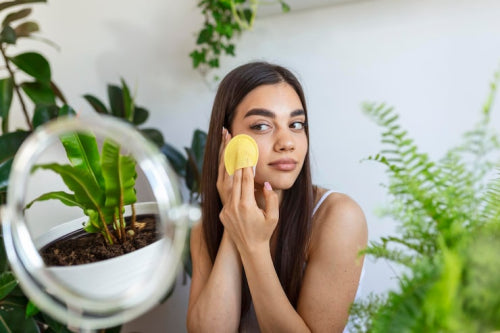
In the vibrant markets of Delhi and the digital glow of Instagram feeds, a quiet revolution is reshaping beauty standards. India's clean beauty movement is gaining momentum, fueled by a growing demand for authenticity, sustainability, and ethical craftsmanship. At the forefront is Indie Haat, a platform that delivers handmade, eco-conscious skincare and artisanal products to a global audience. In a nation where glossy advertisements and synthetic formulas once defined beauty, what does it mean to embrace natural skincare? This is the story of how India is leading a sustainable beauty renaissance, blending tradition with innovation to create a future where beauty is both ethical and enduring.
Fast fashion erodes cultural heritage, sidelining artisans and reducing traditions to trends. At IndieHaat, we champion India's craftspeople with handcrafted sarees, apparel, décor, and skincare rooted in authenticity. Each piece embodies skill and ethical care. Support artisans and preserve India's timeless legacy Shop Now!
The Surge of Clean Beauty in India
India's clean beauty market is no longer a quiet niche it's a dynamic force. According to a report from Grand View Research, the sector generated USD 252.8 million in revenue in 2023 and is projected to soar to USD 690.4 million by 2030, driven by a robust compound annual growth rate (CAGR) of 15.4% from 2024 to 2030. Skincare remains the dominant category, capturing the largest share of revenue, while color cosmetics are emerging as the fastest-growing segment, reflecting a shift toward sustainable makeup options. Similarly, the organic skincare market, valued at USD 436.0 million in 2021, is expected to reach USD 1,003.4 million by 2030, with a CAGR of 9.7%, per another Grand View Research report. Face creams and moisturizers lead this market, but face serums are rapidly gaining popularity, signaling a consumer preference for targeted, natural solutions.
These figures underscore a profound transformation: Indian consumers are prioritizing products that reflect their values purity, sustainability, and ethical production. Indie Haat capitalizes on this shift by offering artisanal skincare and goods crafted from pure linen, silk, and cotton. Unlike mass-produced alternatives, Indie Haat's products emphasize unique designs and traditional craftsmanship, resonating with eco-conscious buyers in India, the US, Singapore, Australia, the UK, and the UAE. This global appeal highlights the universal desire for beauty that doesn't compromise on ethics or quality.
Navigating Challenges in Sustainable Beauty
Despite its promise, the path to sustainable beauty is fraught with challenges. High pricing is a primary concern for many consumers, as artisanal products often carry a premium compared to mass-market brands. Trust also poses a hurdle shoppers accustomed to established brands may hesitate to embrace lesser-known, handmade alternatives. Additionally, the online nature of platforms like Indie Haat introduces a tactile barrier: without the ability to touch or feel products before purchase, some consumers remain skeptical.
Indie Haat tackles these obstacles with strategic precision. To address pricing concerns, the platform emphasizes the long-term value of quality, showcasing how natural ingredients and sustainable fabrics deliver superior results. Transparency is key to building trust Indie Haat shares compelling stories of artisans and their craft on platforms like Instagram, Facebook, and YouTube. These channels serve as more than marketing tools; they offer glimpses into the lives of creators like those behind Svishala and Varsha Oak, whose work embodies the spirit of sustainable beauty. To overcome the tactile barrier, Indie Haat leverages vivid imagery, detailed product descriptions, and customer testimonials, creating a virtual experience that mimics the in-store “touch and feel” moment.
These efforts resonate deeply in India, where consumers are increasingly skeptical of mass-produced goods. By aligning with cultural values of authenticity and craftsmanship, Indie Haat transforms potential objections into opportunities to educate and engage.
The Cultural and Global Significance of Natural Skincare
Natural skincare is more than a trend it's a movement rooted in purpose. In India, where Ayurvedic traditions have long harnessed the power of natural ingredients like turmeric, neem, and sandalwood, the clean beauty surge feels like a return to roots. Consumers are rediscovering these time-honored remedies, now packaged in modern serums and creams free of harmful chemicals. Indie Haat's commitment to authentic, eco-friendly materials aligns seamlessly with this revival, offering products that honor India's heritage while meeting contemporary demands for sustainability.
The platform's global reach amplifies its impact. In the US and UK, where environmental consciousness is a growing priority, Indie Haat's handmade ethos stands out as a refreshing alternative to corporate beauty giants. In Singapore and the UAE, where luxury intersects with ethical consumption, the platform's unique designs appeal to discerning buyers seeking exclusivity with purpose. Australia's eco-savvy consumers, meanwhile, value Indie Haat's focus on pure, sustainable fabrics like linen and silk. By sourcing directly from artisans, Indie Haat ensures fair wages and supports local communities, making every purchase a vote for a more equitable world.
This global resonance is no accident. Indie Haat's products bridge cultural divides, blending India's rich artisanal traditions with universal values of sustainability and authenticity. Whether it's a handcrafted face serum or a piece of cotton textile, each item tells a story of craftsmanship and care, inviting consumers to rethink beauty as a holistic, ethical practice.
Sustainability as the Future of Beauty
The rise of clean beauty in India reflects a broader global shift toward sustainability. Consumers are no longer content with products that prioritize profit over planet. Indie Haat's model direct sourcing, natural materials, and artisan empowerment offers a blueprint for how beauty brands can thrive in this new era. By prioritizing quality over quantity, the platform challenges the throwaway culture of fast beauty, encouraging consumers to invest in products that last.
Yet, the journey is far from over. Scaling sustainable beauty requires addressing systemic challenges, from supply chain transparency to consumer education. Indie Haat is paving the way by fostering a community of conscious consumers and artisans, proving that beauty can be both luxurious and responsible. As the clean beauty market in India approaches a billion-dollar valuation, platforms like Indie Haat are redefining what it means to be beautiful in the 21st century.
A Vision for Lasting Change
India's clean beauty revolution is more than a market trend it's a cultural awakening. Platforms like Indie Haat are not just selling products; they're weaving narratives of sustainability, craftsmanship, and pride. Challenges like high pricing and trust deficits persist, but Indie Haat's transparent, artisan-focused approach is steadily dismantling these barriers. With every jar of handcrafted serum or piece of handwoven silk, the platform invites consumers to embrace beauty that honors the planet and its people.
As India's clean beauty market surges toward a billion-dollar future, Indie Haat stands as a beacon of what's possible when tradition meets innovation. In a world often dominated by mass production, this is beauty with purpose a movement that celebrates authenticity, empowers artisans, and sparks change, one radiant face at a time.
Frequently Asked Questions
What is driving the growth of clean beauty in India?
India's clean beauty market is experiencing significant growth, projected to reach USD 690.4 million by 2030 with a 15.4% CAGR. This surge is driven by consumers prioritizing authenticity, sustainability, and ethical production over synthetic formulas. The movement reflects a return to Ayurvedic traditions combined with modern sustainable practices, with skincare leading the market and color cosmetics emerging as the fastest-growing segment.
How does natural skincare connect to India's traditional beauty practices?
Natural skincare in India represents a revival of ancient Ayurvedic wisdom that has long utilized ingredients like turmeric, neem, and sandalwood. Modern clean beauty brands are repackaging these time-honored remedies into contemporary serums and creams free of harmful chemicals. This blend of traditional knowledge with innovative, sustainable formulations honors India's heritage while meeting current consumer demands for eco-conscious beauty solutions.
What are the main challenges facing India's sustainable beauty market?
The sustainable beauty sector in India faces three primary challenges: high pricing compared to mass-market brands, consumer trust issues with lesser-known artisanal products, and the tactile barrier of online shopping where customers cannot physically experience products before purchase. Brands are addressing these through transparency initiatives, artisan storytelling on social media, detailed product descriptions, and emphasizing the long-term value and superior quality of natural ingredients over synthetic alternatives.
Disclaimer: The above helpful resources content contains personal opinions and experiences. The information provided is for general knowledge and does not constitute professional advice.
You may also be interested in: Traditional Indian Jewelry Shines in Sustainable Fashion Movement
Fast fashion erodes cultural heritage, sidelining artisans and reducing traditions to trends. At IndieHaat, we champion India's craftspeople with handcrafted sarees, apparel, décor, and skincare rooted in authenticity. Each piece embodies skill and ethical care. Support artisans and preserve India's timeless legacy Shop Now!
Powered by flareAI.co