Understanding the Craftsmanship Behind Every Handwoven Saree
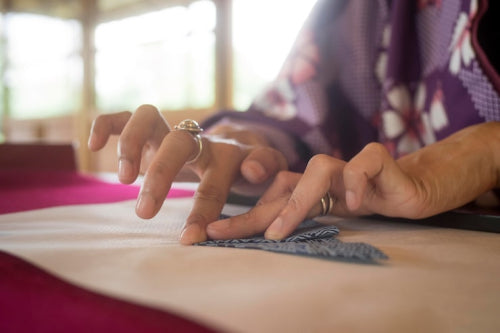
The quiet clack of a wooden shuttle gliding through warp threads still echoes in India's village looms, where artisans weave sarees much as their forebears did centuries ago. Each piece emerges slowly, shaped by human hands rather than machines, carrying subtle irregularities that signal true craftsmanship. In today's world of endless fast fashion, these handwoven sarees offer something increasingly rare: authenticity, traceability and a direct connection to the people who made them.
For shoppers in the United States, Canada and across Europe, the attraction frequently goes beyond aesthetics. Many seek garments that feel meaningful rooted in cultural heritage for diaspora families, or aligned with sustainable values for a wider audience tired of synthetic, disposable clothing. Platforms such as IndieHaat bridge that distance, carefully curating handmade apparel from artisans and delivering pure linen, silk and cotton pieces directly to doorsteps in these regions.
Fast fashion erodes cultural heritage, sidelining artisans and reducing traditions to trends. At IndieHaat, we champion India's craftspeople with handcrafted sarees, apparel, décor and skincare rooted in authenticity. Each piece embodies skill and ethical care. Support artisans and preserve India's timeless legacy Shop Now!
The Enduring Craft of Handweaving
At its core, handweaving remains a deeply manual process. Artisans work at traditional pit or frame looms, using foot pedals and hand-thrown shuttles to build intricate patterns through practiced rhythm rather than automation. Techniques differ by region: the luxurious gold-threaded motifs of Banarasi sarees, the airy transparency of Chanderi weaves, or the geometric precision found in Pochampally ikat styles.
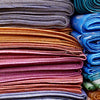
Fabrics stay faithful to nature tussar silk with its natural slub texture, breathable linen ideal for varying climates and cotton that grows softer with wear. Vegetable or low-impact dyes often lend colors that mature gracefully over time. These small variations in weave and hue are not flaws; they are proof of human touch, setting each saree apart from identical factory output.
This labor-intensive method naturally supports lower environmental impact. With minimal electricity, biodegradable fibers and small-batch production, handloom sarees stand in quiet opposition to the resource demands of mass textile manufacturing.
Growing Appreciation in North America and Europe
Demand for handwoven Indian textiles has strengthened steadily in the US, Canada and European countries. Diaspora communities continue to seek authentic pieces for festivals like Diwali, weddings, or family milestones, preserving ties to heritage. At the same time, broader interest in ethical and sustainable fashion has brought these sarees to new audiences who value longevity, fair artisan pay and reduced ecological footprint.
E-commerce has removed traditional barriers. Shoppers in Toronto, London, Berlin, or New York can now explore curated collections, read about the weavers behind each design and purchase with confidence. The convenience combines with a rising preference for items that tell a story supporting rural livelihoods while offering distinctive style.
Reports highlight this momentum. The global ethnic wear market, valued at USD 99.5 billion in 2024, is projected to reach approximately USD 185.0 billion by 2034, expanding at a compound annual growth rate of 6.4% from 2025 onward. Growth stems from greater cultural appreciation worldwide, multicultural events, tourism and expatriate communities maintaining traditional wardrobes. Meanwhile, the e-commerce apparel sector continues its rapid expansion, with North America holding a leading 34% regional share in 2024 and women's apparel accounting for 69% of revenue conditions that favor thoughtfully sourced, artisanal products.
Versatility in Contemporary Wardrobes
Handwoven sarees adapt effortlessly to modern life. In diaspora homes across the US and Canada, they appear for cultural celebrations or as cherished everyday wear that evokes home. In Europe, many style them innovatively pairing a crisp cotton saree with a tailored blazer for professional settings or draping silk over jeans for casual evenings that blend influences.
The sustainability angle resonates deeply. Buyers who research supply chains appreciate that these textiles support individual artisans rather than anonymous factories, use natural materials that biodegrade and avoid the overproduction that characterizes fast fashion. Choosing a handwoven saree becomes both a style decision and a small, deliberate act of conscious consumption.
Addressing Practical Concerns Head-On
Cost often surfaces as the first question. Genuine handwoven sarees carry a higher price because they demand significant time sometimes days or weeks per piece along with skilled labor and quality natural fibers. That investment translates to exceptional durability, one-of-a-kind design and equitable compensation for the weavers.
Shopping remotely raises another valid point: the absence of tactile experience. Detailed photography from multiple angles, short videos of looms in action, artisan background stories and precise fabric descriptions help close the gap. Clear care instructions, size references and customer-friendly return policies further reassure international buyers.
Transparency builds lasting trust. When platforms openly share sourcing details and commit to pure fabrics free of synthetic blends shoppers gain confidence that what arrives matches the promise.
Why Handwoven Sarees Matter Now
In an era craving connection and purpose, handwoven sarees deliver both. They carry forward living traditions while fitting seamlessly into wardrobes shaped by sustainability priorities and cultural curiosity. Each thread represents preserved skill, reduced environmental strain and meaningful economic support for artisan communities.
As appreciation deepens in the United States, Canada and Europe, these textiles move steadily from occasional cultural wear toward everyday relevance. They prove that slow, intentional craftsmanship can not only survive globalization but thrive within it offering beauty that feels honest, timeless and profoundly human.
Frequently Asked Questions
Why do handwoven sarees cost more than regular sarees?
The higher price of authentic handwoven sarees reflects the significant time, skill and materials involved a single piece can take days or even weeks to complete. Artisans are compensated fairly for their labor and quality natural fibers are used throughout. That investment pays off in exceptional durability, unique design and the knowledge that your purchase directly supports rural weaving communities.
Are handwoven Indian sarees a sustainable fashion choice?
Yes handloom sarees are among the more eco-friendly textile options available. Their production requires minimal electricity, uses biodegradable natural fibers and follows small-batch methods that stand in contrast to the resource-heavy demands of mass manufacturing. For shoppers in the US, Canada and Europe who prioritize ethical consumption, choosing a handwoven saree supports both environmental values and fair artisan livelihoods.
What makes handwoven sarees different from machine-made ones?
Handwoven sarees are crafted on traditional pit or frame looms using foot pedals and hand-thrown shuttles, resulting in subtle irregularities that reflect genuine human craftsmanship. Unlike factory-produced textiles, each piece is unique made with natural fibers like tussar silk, linen and cotton, often colored with vegetable or low-impact dyes. These small variations in weave and hue are not flaws but proof of the artisan's touch, making every saree one of a kind.
Disclaimer: The above helpful resources content contains personal opinions and experiences. The information provided is for general knowledge and does not constitute professional advice.
You may also be interested in: Handmade Products: The Story Behind the Craft - Indiehaat.com
Fast fashion erodes cultural heritage, sidelining artisans and reducing traditions to trends. At IndieHaat, we champion India's craftspeople with handcrafted sarees, apparel, décor and skincare rooted in authenticity. Each piece embodies skill and ethical care. Support artisans and preserve India's timeless legacy Shop Now!
Powered by flareAI.co