Why Buying Handmade Products Is an Investment in Indian Culture

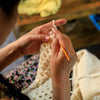
In the quiet hum of a rural workshop in Rajasthan, skilled hands guide a loom, transforming simple threads into intricate patterns that echo centuries of tradition. This scene repeats across India, where artisans breathe life into materials, creating not just objects but embodiments of cultural heritage. In an era dominated by mass production, choosing handmade products represents more than a transaction it is a deliberate commitment to safeguarding India's rich craftsmanship and supporting the communities that sustain it.
Fast fashion erodes cultural heritage, sidelining artisans and reducing traditions to trends. At IndieHaat, we champion India's craftspeople with handcrafted sarees, apparel, décor, and skincare rooted in authenticity. Each piece embodies skill and ethical care. Support artisans and preserve India's timeless legacy Shop Now!
Why Buying Handmade Products Is an Investment in Indian Culture: Preserving Craftsmanship and Supporting Local Artisans
Delve into the profound impact of selecting handmade Indian goods, from sustaining ancient traditions to fostering sustainable development and empowering local economies. Platforms such as IndieHaat play a pivotal role by directly linking artisans with conscious consumers worldwide, making this form of cultural investment both meaningful and convenient.
According to reliable industry analysis, the India handicrafts market attained a value of USD 4,565.0 Million in 2024 and is forecasted to expand to USD 8,198.5 Million by 2033, with a compound annual growth rate (CAGR) of 6.39% over the 2025-2033 period. This expansion is fueled by factors including higher disposable incomes, heightened interest in ethnic and handmade décor, the proliferation of e-commerce, governmental export promotion initiatives, rising tourism, and a worldwide preference for sustainable, eco-friendly items.
Handmade Indian products stand as vibrant testaments to the nation's diverse heritage. Spanning categories like woodware, art metal ware, handprinted textiles and scarves, embroidered and crocheted goods, zari items, imitation jewelry, sculptures, pottery and glassware, attars and agarbattis, these creations reflect regional distinctions across North India, West and Central India, South India, and East India. On IndieHaat, the emphasis remains on items sourced straight from artisans, featuring unique designs crafted exclusively from pure, authentic fabrics linen, silk, and cotton that factory production cannot match in character or quality.
Emerging Trends in the Handmade Product Market
A discernible shift is underway in consumer preferences, driven by environmental awareness and a desire for genuine, lasting goods. People increasingly favor handmade alternatives over synthetic, disposable items, drawn to the eco-conscious appeal of natural materials in apparel, décor, and accessories.
These trends align with robust market forces. Growing affluence boosts demand for distinctive handmade décor, complemented by policy support and tourism's role in showcasing Indian crafts globally. The rise of digital marketplaces has been transformative, enabling artisans to reach broader audiences efficiently.
IndieHaat stands out in this landscape, facilitating direct connections between remote artisans and international buyers in markets such as the United States, United Kingdom, UAE, and Australia. By prioritizing handmade pieces with original designs and genuine fabrics, the platform leverages its presence on Instagram, Facebook, and YouTube to share artisan narratives and production insights. Enthusiastic customer profiles, including @anilarubyraj, @ani_lakshmi, @svishala74, @drminimalhotra, and @varshaoak, vividly illustrate the satisfaction derived from these acquisitions, fostering community and repeat engagement.
On a global scale, Indian handicrafts captivate those seeking individuality amid uniformity. From metropolitan homes in New York to stylish interiors in Dubai, these items blend timeless tradition with contemporary aesthetics. Distribution evolves too, with online stores emerging as a vital channel alongside mass retailers, departmental stores, independent retailers, and specialty outlets.
Real-World Examples and Applications
Consider an artisan in Varanasi, patiently embroidering motifs that have been refined across generations each piece a direct contribution to family sustenance and cultural continuity. Through IndieHaat, such efforts gain visibility, translating into sustainable incomes for creators of cotton-based home furnishings or finely molded pottery exported worldwide.
Purchasing these goods actively preserves generational techniques like hand-weaving, block printing, and embroidery. The sector thrives in diverse regions, producing an array of products that define local identities. IndieHaat's direct-sourcing approach ensures fair returns, encouraging innovation while honoring origins. Everyday items, from imitation jewelry to aromatic attars, thus become conduits for cultural narratives.
Practical integration is seamless: a silk throw pillow might accentuate a London apartment, or a linen ensemble become essential in an Australian closet. E-commerce dissolves geographical barriers, allowing these cultural investments to enhance lives far from their points of creation.
Further underscoring the sector's vitality, handicrafts represent a cornerstone of India's economy, providing livelihoods for over seven million individuals. Women lead this field, comprising more than 56% of artisans. Across 744 clusters key hubs including Surat, Bareilly, Varanasi, Agra, Hyderabad, Lucknow, Chennai, and Mumbai nearly 212,000 artisans produce over 35,000 distinct products, primarily in rural settings with vast domestic and international potential, as noted by the India Brand Equity Foundation.
Key Challenges in the Handmade Product Market
Despite its strengths, the sector faces notable obstacles. Premium pricing stems from intensive manual labor and skilled execution, often deterring budget-conscious shoppers accustomed to cheaper industrialized options. Yet, this cost reflects unparalleled originality and ethical production, a value IndieHaat elucidates through transparent detailing of processes and origins.
Online transactions can breed skepticism regarding authenticity, especially without tactile verification. IndieHaat mitigates this via comprehensive descriptions, superior visuals, and authentic customer testimonials disseminated across social channels. Accounts like @svishala74 and @varshaoak provide credible endorsements, reinforcing trust through real experiences.
Many artisans remain isolated in distant locales, lacking direct market access. While digital tools bridge gaps, the absence of in-person interaction persists as a concern. IndieHaat responds with immersive content YouTube tours and Instagram reels offering virtual workshop access alleviating doubts and converting hesitancy into confidence.
Opportunities and Business Impacts
These hurdles mask substantial prospects. Patronizing handmade goods directs resources to rural artisans, promoting entrepreneurship and economic resilience. Diversity endures through varied offerings like art metal ware, embroidered textiles, and sculptures.
The surge in ethical consumerism favors sustainable, traceable products, aligning perfectly with IndieHaat's commitment to natural fabrics and artisan empowerment. This resonance drives loyalty, as buyers value narrative alongside utility.
Enterprises incorporating handmade elements gain competitive edges in saturated markets, capitalizing on sustainability trends and projected growth. IndieHaat exemplifies how authenticity cultivates enduring relationships, elevating occasional purchasers to dedicated proponents.
Expert Insights and Future Outlook
As twilight falls on a weaver's workspace, the completed creation symbolizes resilience and continuity. Observers from the industry affirm that platforms like IndieHaat are indispensable, blending heritage with modern accessibility to secure craft's evolution.
The horizon appears bright, with e-commerce advancement and sustainability priorities propelling Indian handicrafts toward wider acclaim. The anticipated climb to USD 8,198.5 Million by 2033 highlights this trajectory. Opting for handmade transcends acquisition it fortifies India's cultural legacy. When browsing IndieHaat next, recognize that every selection upholds a timeless tradition.
Frequently Asked Questions
Why is buying handmade products important for preserving Indian culture?
Purchasing handmade Indian products directly supports over seven million artisans who preserve centuries-old techniques like hand-weaving, block printing, and embroidery. Each handmade piece embodies cultural heritage and traditional craftsmanship that cannot be replicated by mass production. By choosing handmade goods, you help sustain generational skills and provide fair incomes to artisan communities, particularly in rural areas where these crafts define local identities.
How is the Indian handicrafts market expected to grow in the coming years?
The India handicrafts market is projected to expand from USD 4,565.0 million in 2024 to USD 8,198.5 million by 2033, growing at a CAGR of 6.39%. This growth is driven by increased consumer interest in sustainable and eco-friendly products, rising disposable incomes, e-commerce expansion, and government export promotion initiatives. The shift toward ethical consumerism and authentic, handcrafted alternatives over mass-produced items continues to fuel this upward trajectory.
What types of handmade Indian products are available and where are they made?
Indian handicrafts span diverse categories including handprinted textiles, embroidered goods, art metal ware, pottery, imitation jewelry, sculptures, and natural products like attars and agarbattis. These items are produced across 744 artisan clusters in key hubs such as Varanasi, Surat, Agra, Hyderabad, and Mumbai, with each region offering distinct styles. Platforms like IndieHaat specialize in authentic pieces made from pure fabrics linen, silk, and cotton sourced directly from artisans, ensuring unique designs and ethical production.
Disclaimer: The above helpful resources content contains personal opinions and experiences. The information provided is for general knowledge and does not constitute professional advice.
You may also be interested in: The Role of Fair Trade Principles in Indian Craft Sourcing
Fast fashion erodes cultural heritage, sidelining artisans and reducing traditions to trends. At IndieHaat, we champion India's craftspeople with handcrafted sarees, apparel, décor, and skincare rooted in authenticity. Each piece embodies skill and ethical care. Support artisans and preserve India's timeless legacy Shop Now!
Powered by flareAI.co