
Why Conscious Fashion Starts With Better Materials
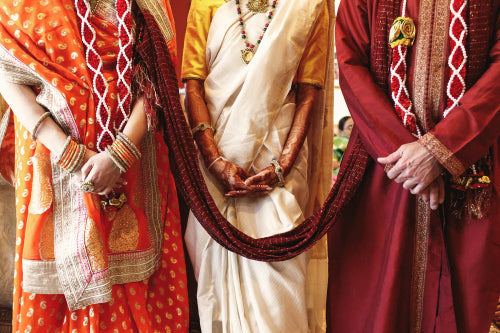
The clothes we choose carry a story long before they reach our wardrobes. That story begins with materials: the fibres selected, the way they are processed, the skills used to transform them, and the people involved at every stage. While conversations around conscious fashion often focus on buying less or extending garment life, the foundation of responsible clothing production starts much earlier with the fabric itself.
Understanding conscious fashion materials helps shoppers make more informed decisions. A garment's texture, durability, comfort, and environmental impact are closely connected to the choices made at the material stage. For those who appreciate handcrafted clothing and artisan-made products, materials also represent heritage, regional knowledge, and techniques passed through generations.
Fast fashion erodes cultural heritage, sidelining artisans and reducing traditions to trends. At IndieHaat, we champion India's craftspeople with handcrafted sarees, apparel, décor, and skincare rooted in authenticity. Each piece embodies skill and ethical care. Support artisans and preserve India's timeless legacy Shop Now!
Why Materials Matter in Sustainable Fashion
Every garment begins as a raw material. The choice between different fibres can influence how a product feels, how long it lasts, how it is maintained, and how it fits into a more responsible wardrobe. This is why materials matter in sustainable fashion: they shape the entire journey of a piece of clothing, from creation to everyday use.
A thoughtfully selected fabric can support a more mindful relationship with clothing. Natural fibres, carefully developed textiles, and durable materials can encourage consumers to value quality over quantity. When a garment is comfortable, versatile, and made to be worn repeatedly, it has a better chance of becoming a long-term part of a wardrobe rather than a short-lived purchase.
For handmade apparel, materials often have an additional significance. Artisans may work with fabrics that reflect local traditions, regional craftsmanship, and specialised production methods. The material is not simply a base for a design; it becomes part of the identity and character of the finished piece.
Understanding Sustainable Fashion Materials
Sustainable fashion materials are not defined by one single feature. A responsible material choice involves considering several factors, including how the fibre is sourced, how it is processed, its expected lifespan, and how consumers can care for it.
Natural fabrics and conscious clothing often go hand in hand because many natural fibres are valued for their breathability, comfort, and connection to traditional textile practices. Materials such as cotton, linen, silk, wool, and other plant- or animal-based fibres have long been used by craftspeople to create garments suited to different climates and lifestyles.
However, choosing sustainable materials is not only about selecting natural options. A conscious approach also involves looking at craftsmanship, production methods, and the overall usefulness of a garment. A beautifully made piece that is worn frequently and cared for properly can support a more thoughtful approach to fashion.
- What material is this garment made from?
- Does the fabric feel durable enough for regular wear?
- Can the piece be styled in different ways?
- Does the craftsmanship reflect care and attention to detail?
- Will the garment continue to be valued over time?
These questions shift the focus from immediate trends towards long-term appreciation.
Eco Friendly Fabrics for Clothing: Looking Beyond Labels
The term “eco friendly fabrics for clothing” is increasingly used as shoppers look for better options, but understanding what makes a fabric more responsible requires looking beyond simple labels. A material's story includes the resources involved in producing it, the techniques used to create the final textile, and the relationship between the maker and the material.
For example, a fabric may be admired for its softness or appearance, but conscious shopping also considers whether it suits the intended use of the garment. A durable everyday fabric may offer more value than a delicate textile that requires frequent replacement or specialised care.
Material transparency also helps consumers build trust. Knowing where fabrics come from, how they are made, and why they have been selected allows shoppers to make choices aligned with their personal values. This approach supports a deeper connection between the wearer, the maker, and the finished product.
Handcrafted fashion often highlights this connection because the process behind the material remains visible. The weave, texture, dyeing method, or finishing technique can reveal the skill involved in transforming raw materials into meaningful pieces.
The evolution of responsible textiles is also being shaped by emerging innovations in materials. The development of alternatives that reduce reliance on petrochemicals, including bio-based fibres, regenerated cellulosics, and lower-impact production methods, reflects the growing importance of a post-petro fashion economy. These advancements show how better materials can improve resource efficiency, support transparency, and help fashion move toward more circular systems while maintaining performance and design possibilities.
The Role of Artisans in Responsible Clothing Production
Responsible clothing production is not only about environmental considerations; it is also about recognising the human expertise behind every garment. Artisan communities bring knowledge of materials, traditional techniques, and creative approaches that cannot be separated from the final product.
Many handcrafted textiles are shaped by generations of experience. Makers understand how different fibres behave, how fabrics respond to techniques, and how designs can work with the natural qualities of a material. This relationship between artisan skill and material knowledge creates products with character and individuality.
Supporting artisan-made fashion also encourages consumers to see clothing as more than a disposable item. A handcrafted piece represents time, skill, and cultural expression. When shoppers understand the material journey behind a product, they are more likely to appreciate its value and care for it responsibly.
Curated marketplaces that connect shoppers with craftspeople can play an important role in making these stories more accessible. By bringing authentic handmade apparel, accessories, home décor, and artisan-made products closer to consumers, they help create a stronger connection between makers and buyers.
How Better Materials Influence Everyday Wardrobe Choices
Conscious fashion is built through everyday decisions. While large changes in the fashion industry involve many stakeholders, individual choices also shape demand for more thoughtful products. Selecting garments made with suitable, durable, and responsibly considered materials is one practical way to build a more mindful wardrobe.
One useful approach is to focus on versatility. A well-chosen material can support garments that work across seasons, occasions, and styling preferences. Instead of purchasing pieces based only on temporary trends, shoppers can look for clothing that fits their lifestyle and remains relevant over time.
Care habits also influence the relationship between consumers and materials. Following appropriate washing, drying, and storage practices can help preserve fabric quality. When people understand the characteristics of different textiles, they can make better decisions about how to maintain their clothing.
Another important consideration is emotional value. Clothing that has a story, reflects craftsmanship, or represents a meaningful connection is often treated differently from mass-produced items chosen without thought. Materials play a central role in creating that sense of attachment.
Regenerative approaches are expanding the meaning of sustainable fashion by focusing on restoring ecosystems and supporting communities through better design choices. The principles behind regenerative design fashion demonstrate how materials, traceability, and responsible production can work together to create garments that contribute positively to environmental and social outcomes.
Making More Environmentally Friendly Fashion Choices
Choosing more environmentally friendly fashion choices does not require perfection. It begins with awareness and a willingness to understand what goes into the products we wear. Small shifts in purchasing habits can help consumers become more intentional about their wardrobes.
When evaluating a garment, consider the complete picture rather than focusing on a single feature. A responsible choice may involve a combination of factors: a suitable material, skilled craftsmanship, practical design, and the ability to enjoy the piece for years.
Consumers can also explore brands and platforms that provide clearer connections to artisans and makers. Learning about the people behind products creates a more meaningful shopping experience and encourages appreciation for traditional skills.
The growing interest in ethical fashion and sustainable fabrics reflects a broader desire for authenticity. Shoppers are increasingly looking for products that align with their values while still offering beauty, comfort, and individuality. Materials sit at the centre of this movement because they influence both the physical experience of clothing and the values represented by each purchase.
Building a Future Around Conscious Materials
The future of fashion depends on recognising that every garment begins with a choice. Before a design reaches a wardrobe, decisions about fibres, sourcing, craftsmanship, and production have already shaped its journey. Better materials provide a stronger foundation for clothing that is meaningful, practical, and valued.
Conscious fashion is not simply about following a trend. It is about developing a closer relationship with what we wear and understanding the impact of our choices. By learning more about sustainable fashion materials, appreciating artisan expertise, and choosing pieces with intention, consumers can support a more thoughtful approach to fashion.
Frequently Asked Questions
Why are better materials important in conscious fashion?
Better materials are the foundation of conscious fashion because they influence a garment's durability, environmental impact, comfort, and overall value. Choosing sustainable fashion materials helps consumers build more responsible wardrobes while supporting quality, craftsmanship, and long-term use.
What are the best sustainable fashion materials for eco friendly clothing?
Sustainable fashion materials include natural fibres such as cotton, linen, silk, and wool, along with innovative alternatives like bio-based fibres and regenerated textiles. The best choice depends on factors such as sourcing, production methods, durability, and how well the material fits the garment's purpose.
How do artisans contribute to responsible clothing production?
Artisans play an important role in responsible clothing production by applying traditional skills, material knowledge, and craftsmanship techniques passed through generations. Their expertise helps create handmade fashion pieces with greater cultural value, durability, and a stronger connection between makers and consumers.
Disclaimer: The above helpful resources content contains personal opinions and experiences. The information provided is for general knowledge and does not constitute professional advice.
You may also be interested in: Fast Fashion vs. Slow Fashion: Understanding the Shift Towards
Fast fashion erodes cultural heritage, sidelining artisans and reducing traditions to trends. At IndieHaat, we champion India's craftspeople with handcrafted sarees, apparel, décor, and skincare rooted in authenticity. Each piece embodies skill and ethical care. Support artisans and preserve India's timeless legacy Shop Now!
Powered by flareAI.co