
Artisan Cooperatives Empower Rural Women Across India
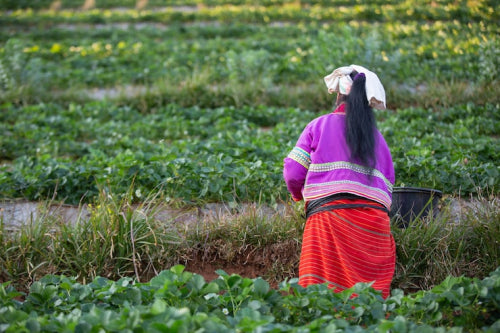
In a quiet village in Rajasthan, sunlight spills across a courtyard where a woman weaves intricate patterns into a handprinted textile. Her skilled hands, honed over years, create goods that will travel from rural India to bustling markets in Mumbai and beyond. This scene, repeated in countless villages, signals a powerful transformation. Artisan cooperatives across India are empowering rural women, who form over 56% of the nation's seven million handicraft artisans, offering them not just livelihoods but agency, dignity, and a stake in the country's economic future.
Fast fashion erodes cultural heritage, sidelining artisans and reducing traditions to trends. At IndieHaat, we champion India's craftspeople with handcrafted sarees, apparel, décor, and skincare rooted in authenticity. Each piece embodies skill and ethical care. Support artisans and preserve India's timeless legacy Shop Now!
A Thriving Handicraft Economy
India's handicraft industry is a vibrant tapestry of culture and commerce, employing millions and preserving centuries-old traditions. A recent market analysis estimates the sector's value at USD 4,565.0 million in 2024, with projections to reach USD 8,198.5 million by 2033, driven by a steady 6.39% annual growth rate from 2025 to 2033. This expansion stems from growing consumer wealth, a rising preference for authentic, handmade décor, and the surge of e-commerce platforms that connect rural artisans to global buyers. Government export incentives, booming tourism, and a worldwide demand for sustainable products further fuel this growth. The industry spans diverse products woodware, metal crafts, handprinted textiles, embroidered goods, zari work, imitation jewelry, sculptures, pottery, glassware, attars, and agarbattis sold through mass retailers, specialty stores, and online marketplaces across North, South, East, and West India.
At the heart of this boom are artisan cooperatives, which have become lifelines for rural communities. These collectives equip women with tools, training, and market access, transforming small-scale crafts into viable businesses. For many, this shift marks a departure from precarious agricultural work, enabling them to support their families and invest in their futures.
Women Leading the Craft
The handicraft sector is unmistakably female-driven, with women comprising over 56% of its workforce. Across India's 744 handicraft clusters, nearly 212,000 artisans produce over 35,000 distinct products, from delicate glassware to fragrant attars. These clusters, concentrated in cities like Surat, Varanasi, Agra, Hyderabad, Lucknow, Chennai, and Mumbai, are detailed in a comprehensive industry report. Far from mere workshops, these hubs foster community, where women exchange techniques, share challenges, and build networks that strengthen their craft and their lives.
In Lucknow, renowned for chikankari embroidery, cooperatives have become beacons of empowerment. Women gather daily, their needles crafting intricate designs that fetch premium prices. Beyond wages, these organizations offer literacy classes, financial management training, and childcare support, dismantling barriers to economic participation. The impact reverberates: women artisans fund their children's schooling, improve household diets, and inspire others to join. In Varanasi, similar stories unfold as women produce handwoven zari goods, their work sustaining families and preserving cultural heritage.
Overcoming Obstacles
Despite their successes, artisan cooperatives face significant challenges. Many rural women lack formal education, making it difficult to navigate digital marketplaces or complex supply chains. In remote areas, unreliable electricity and transportation disrupt production and delivery. Handmade goods, painstakingly crafted, often compete with cheaper, mass-produced alternatives, which can undercut prices and threaten livelihoods.
Yet, the resilience of these women and their cooperatives is remarkable. Government programs, including export promotion schemes, help artisans reach international markets, boosting visibility and sales. The rise of e-commerce has revolutionized access, allowing women to sell directly to consumers in urban centers like Chennai or even overseas, bypassing exploitative middlemen. Tourism also plays a vital role, with visitors to Jaipur and Mumbai seeking authentic, eco-friendly crafts. The global pivot toward sustainability has amplified demand, as buyers increasingly value the story behind each handmade piece.
A Legacy of Empowerment
As dusk settles over a workshop in Agra, women artisans pack their pottery for an online order destined for Delhi. Their voices, filled with pride and laughter, echo through the space. India's handicraft industry, a multi-billion-dollar engine, is more than an economic powerhouse it's a movement redefining rural life. By empowering women, cooperatives are reshaping communities, blending tradition with ambition. Each product be it a handprinted scarf or a carved wooden sculpture carries the weight of progress, crafted by hands that are building a brighter future. In an era craving authenticity, these artisans are not just creating goods; they are weaving a legacy of resilience, hope, and transformation that resonates far beyond India's borders.
In a quiet village in Rajasthan, sunlight spills across a courtyard where a woman weaves intricate patterns into a handprinted textile. Her skilled hands, honed over years, create goods that will travel from rural India to bustling markets in Mumbai and beyond. This scene, repeated in countless villages, signals a powerful transformation. Artisan cooperatives across India are empowering rural women, who form over 56% of the nation's seven million handicraft artisans, offering them not just livelihoods but agency, dignity, and a stake in the country's economic future. These women are not merely crafting woodware, pottery, or jewelry; they are stitching together futures, reshaping rural economies, and proving that tradition can be a catalyst for change.
A Thriving Handicraft Economy
India's handicraft industry is a vibrant tapestry of culture and commerce, employing millions and preserving centuries-old traditions. A recent market analysis estimates the sector's value at USD 4,565.0 million in 2024, with projections to reach USD 8,198.5 million by 2033, driven by a steady 6.39% annual growth rate from 2025 to 2033. This expansion stems from growing consumer wealth, a rising preference for authentic, handmade décor, and the surge of e-commerce platforms that connect rural artisans to global buyers. Government export incentives, booming tourism, and a worldwide demand for sustainable products further fuel this growth. The industry spans diverse products woodware, metal crafts, handprinted textiles, embroidered goods, zari work, imitation jewelry, sculptures, pottery, glassware, attars, and agarbattis sold through mass retailers, specialty stores, and online marketplaces across North, South, East, and West India.
At the heart of this boom are artisan cooperatives, which have become lifelines for rural communities. These collectives equip women with tools, training, and market access, transforming small-scale crafts into viable businesses. For many, this shift marks a departure from precarious agricultural work, enabling them to support their families and invest in their futures. Cooperatives bridge the gap between rural artisans and urban consumers, ensuring that the vibrant handprinted scarves or intricately carved sculptures reach markets where they command fair prices. This economic empowerment is reshaping household dynamics, with women increasingly taking on roles as primary breadwinners, a testament to the industry's transformative potential.
Women Leading the Craft
The handicraft sector is unmistakably female-driven, with women comprising over 56% of its workforce. Across India's 744 handicraft clusters, nearly 212,000 artisans produce over 35,000 distinct products, from delicate glassware to fragrant attars. These clusters, concentrated in cities like Surat, Varanasi, Agra, Hyderabad, Lucknow, Chennai, and Mumbai, are detailed in a comprehensive industry report. Far from mere workshops, these hubs foster community, where women exchange techniques, share challenges, and build networks that strengthen their craft and their lives.
In Lucknow, renowned for chikankari embroidery, cooperatives have become beacons of empowerment. Women gather daily, their needles crafting intricate designs that fetch premium prices. Beyond wages, these organizations offer literacy classes, financial management training, and childcare support, dismantling barriers to economic participation. The impact reverberates: women artisans fund their children's schooling, improve household diets, and inspire others to join. In Varanasi, similar stories unfold as women produce handwoven zari goods, their work sustaining families and preserving cultural heritage. These clusters are not just economic engines but social catalysts, fostering independence and confidence among women who once had limited opportunities. The ripple effects extend to entire communities, as empowered women reinvest their earnings into education, healthcare, and local businesses, creating a cycle of progress.
Overcoming Obstacles
Despite their successes, artisan cooperatives face significant challenges. Many rural women lack formal education, making it difficult to navigate digital marketplaces or complex supply chains. In remote areas, unreliable electricity and transportation disrupt production and delivery. Handmade goods, painstakingly crafted, often compete with cheaper, mass-produced alternatives, which can undercut prices and threaten livelihoods. These hurdles test the resilience of artisans and the cooperatives that support them, requiring innovative solutions to sustain growth.
Yet, the resilience of these women and their cooperatives is remarkable. Government programs, including export promotion schemes, help artisans reach international markets, boosting visibility and sales. The rise of e-commerce has revolutionized access, allowing women to sell directly to consumers in urban centers like Chennai or even overseas, bypassing exploitative middlemen. Tourism also plays a vital role, with visitors to Jaipur and Mumbai seeking authentic, eco-friendly crafts. The global pivot toward sustainability has amplified demand, as buyers increasingly value the story behind each handmade piece. Cooperatives are also adapting, offering digital literacy programs to help artisans leverage online platforms and expanding their reach through partnerships with specialty stores. These efforts ensure that India's handicraft industry remains competitive, even in a rapidly changing global market.
A Legacy of Empowerment
As dusk settles over a workshop in Agra, women artisans pack their pottery for an online order destined for Delhi. Their voices, filled with pride and laughter, echo through the space. India's handicraft industry, a multi-billion-dollar engine, is more than an economic powerhouse it's a movement redefining rural life. By empowering women, cooperatives are reshaping communities, blending tradition with ambition. Each product be it a handprinted scarf or a carved wooden sculpture carries the weight of progress, crafted by hands that are building a brighter future. In an era craving authenticity, these artisans are not just creating goods; they are weaving a legacy of resilience, hope, and transformation that resonates far beyond India's borders. This movement, rooted in the skilled hands of rural women, is proof that empowerment can be as tangible as a beautifully crafted textile, as enduring as the traditions it upholds.
Frequently Asked Questions
How big is India's handicraft industry and what is its growth potential?
India's handicraft industry is valued at USD 4,565.0 million in 2024 and is projected to reach USD 8,198.5 million by 2033, growing at a steady 6.39% annual rate. This growth is driven by rising consumer wealth, demand for authentic handmade products, e-commerce expansion, and global interest in sustainable goods. The sector employs millions of artisans across 744 clusters, producing over 35,000 distinct products ranging from textiles and jewelry to pottery and woodware.
What percentage of India's handicraft artisans are women and where do they work?
Women comprise over 56% of India's seven million handicraft artisans, making them the backbone of the industry. Nearly 212,000 artisans work across 744 handicraft clusters concentrated in cities like Lucknow, Varanasi, Agra, Hyderabad, Surat, Chennai, and Mumbai. These women produce diverse goods including chikankari embroidery, zari work, handprinted textiles, and pottery, with artisan cooperatives providing them training, tools, and market access.
How do artisan cooperatives help empower rural women in India?
Artisan cooperatives transform rural women's lives by providing tools, training, and direct market access, enabling them to shift from precarious agricultural work to sustainable craft-based businesses. Beyond wages, these cooperatives offer literacy classes, financial management training, and childcare support, allowing women to become primary breadwinners. The impact extends to entire communities as women reinvest earnings into children's education, healthcare, and local businesses, creating lasting cycles of economic empowerment.
Disclaimer: The above helpful resources content contains personal opinions and experiences. The information provided is for general knowledge and does not constitute professional advice.
You may also be interested in: Handmade Sarees Empower Women Artisans in Rural India
Fast fashion erodes cultural heritage, sidelining artisans and reducing traditions to trends. At IndieHaat, we champion India's craftspeople with handcrafted sarees, apparel, décor, and skincare rooted in authenticity. Each piece embodies skill and ethical care. Support artisans and preserve India's timeless legacy Shop Now!
Powered by flareAI.co