
The E-Commerce Boom for Indias Handmade Home Dcor
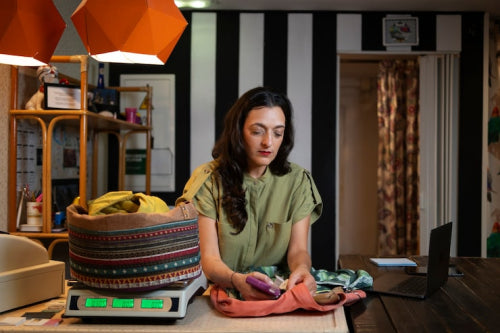
In a quiet village in Rajasthan, a weaver's hands dance across a handloom, threading vibrant hues into a tapestry destined for a sleek Singapore apartment. Thousands of miles away, a San Franciscan browses an e-commerce site, enchanted by a hand-carved wooden tray from West Bengal. This is the modern saga of India's handmade home décor a craft legacy stretching back centuries, now propelled into global markets by the unstoppable rise of e-commerce. Artisans once bound to local bazaars are now global suppliers, their creations adorning homes from Dubai to Dublin.
Fast fashion erodes cultural heritage, sidelining artisans and reducing traditions to trends. At IndieHaat, we champion India's craftspeople with handcrafted sarees, apparel, décor, and skincare rooted in authenticity. Each piece embodies skill and ethical care. Support artisans and preserve India's timeless legacy Shop Now!
A Craft Renaissance Goes Digital
The explosion of digital marketplaces has redefined India's artisanal home décor industry, transforming rural craftsmen into international entrepreneurs. India's Ministry of Commerce & Industry reports a surge in rural craft exports, driven by digital platforms that connect artisans to global buyers. Platforms like IndieHaat are at the forefront, delivering authentic, sustainable décor handwoven rugs, terracotta vases, brass lamps to discerning consumers in India, the United States, Singapore, Australia, the United Kingdom, and the UAE. The surge is fueled by a global craving for eco-conscious, culturally rich products, amplified by the ease of online shopping. According to a report by IMARC Group, the India home décor market, valued at USD 25.50 billion in 2024, is expected to reach USD 40.80 billion by 2033, growing at a compound annual rate of 5.40%, propelled by rising incomes, urban expansion, and the booming e-commerce sector.
Beyond the statistics lies a deeper narrative: artisans gaining financial autonomy, global buyers embracing ethical consumption, and a rich craft heritage finding resonance in contemporary homes. This is not just a market trend it's a cultural and economic transformation.
Global Demand for India's Artisanal Mastery
In India, the digital revolution is reshaping the home décor landscape. With over 800 million internet users, as noted by MeitY and Invest India, e-commerce is thriving, particularly in Tier-II and Tier-III cities, where online décor purchases are surging by over 40% annually. Urban consumers are increasingly drawn to handloom textiles, tribal art, and bamboo crafts, seeking to infuse their spaces with cultural depth. A prime example is India Circus, which opened its 18th store in Lucknow in March 2025, showcasing Indo-contemporary décor that marries tradition with modern aesthetics, a trend gaining traction across northern India.
In the United States, demand for sustainable, fair-trade décor is skyrocketing. According to Statista and the U.S. Department of Commerce, millennial buyers are fueling imports of Indian artisanal goods macramé wall hangings, handwoven cushions, and eco-friendly trays. Platforms like Etsy have become vital conduits, with Indian sellers seeing significant growth in categories that emphasize craftsmanship and sustainability.
Singapore's affluent, space-conscious consumers are driving a high-spend market for curated artisanal pieces. Enterprise Singapore highlights the city's gifting culture, which is spurring cross-border purchases of Indian hand-block printed linens and intricately carved wooden décor. Similarly, Australia's affinity for natural materials jute, cane, and teak dovetails with India's craft expertise. The Australian Bureau of Statistics reports a notable uptick in online spending on handcrafted homewares, reflecting a broader eco-conscious trend.
The United Kingdom is witnessing a revival of craft appreciation, with the British Retail Consortium noting a surge in “slow living” and “heritage craft” movements. UK buyers are drawn to the storytelling embedded in Indian ceramics and handwoven linens, valuing their authenticity. In the UAE, an interior design boom driven by a cosmopolitan expat population has elevated demand for luxury Indian décor, particularly brassware and hand-carved furniture, as reported by Dubai SME and the UAE Ministry of Economy. IMARC Group projects that the India home furnishings market will grow from INR 56,330 crore in 2024 to INR 1,03,880.10 crore by 2033, achieving a robust CAGR of 6.68%, driven by rising affluence, aesthetic preferences, and e-commerce adoption.
Real Impact, Real Stories
In India, government initiatives like TRIFED and ODOP are empowering craft clusters in Rajasthan, Gujarat, Odisha, and West Bengal to thrive in the digital age. These programs offer training and market access, enabling artisans to sell directly to global consumers. Consider a cooperative in Gujarat now exporting hand-embroidered cushions to Australia or a potter in Odisha whose terracotta lamps illuminate homes in the UAE. These are not isolated success stories but part of a broader movement.
In the US, Etsy has emerged as a powerhouse for Indian artisans, with categories like tapestries, handwoven rugs, and sustainable décor flourishing. Buyers are captivated by the authenticity and ethical appeal of these goods. In Singapore and the UAE, cross-border marketplaces are vibrant with Indian artisanal products hand-painted trays, woven baskets, and brass accents. Meanwhile, independent boutiques in Australia and the UK are stocking Indian ceramics and handloom linens, tapping into the global “heritage craft” wave.
Yet, the path is not without obstacles. Shipping fragile items like ceramics or glassware to the US or Australia poses logistical challenges, with risks of delays or damage. Quality consistency is another concern, as the inherent variability of handmade goods can unsettle buyers in markets like Singapore or the UAE. The rise of machine-made imitations threatens to erode the authenticity of handcrafted décor, while in India, limited digital literacy among rural artisans hinders their ability to fully engage with e-commerce. Government programs like KVIC and MSME are addressing this gap, but progress is gradual. Globally, design theft is a pressing issue, with UK and US platforms reporting instances of artisan patterns being replicated without credit.
Seizing a Global Opportunity
Despite these hurdles, the opportunities are vast. The global pivot toward ethical, sustainable décor particularly in the US, Australia, and the UK aligns seamlessly with India's artisanal strengths. Ken Research estimates the India home décor market at USD 400 million, driven by rapid urbanization, a growing middle class, and global design influences. Affluent buyers in the UAE and US are willing to pay premiums for exclusive, handcrafted pieces, valuing their uniqueness.
India's government-backed initiatives, including KVIC, MSME, ODOP, and TRIFED, are enhancing production and export capabilities, making it easier for artisans to reach international markets. Cross-border digital marketplaces are democratizing access, allowing artisans to bypass traditional intermediaries and connect directly with consumers, improving profit margins. Social media platforms like Instagram and Pinterest are amplifying this trend, with visually compelling campaigns influencing buyers in Singapore, the UAE, and the UK. In India's urban hubs Mumbai, Delhi, and Bengaluru Ken Research notes a USD 9 billion online home décor market, where demand for modular, space-saving, and customizable furniture reflects evolving urban lifestyles.
The market's fragmented nature, as highlighted by Redseer, presents both challenges and opportunities. Valued at USD 2 billion, India's home décor sector is marked by manual distribution and inconsistent merchandising, yet these inefficiencies create openings for platforms that can streamline supply chains and enhance product discovery. By addressing issues like stockouts and quality assurance, e-commerce platforms can capture a growing share of this high-SKU, emotion-driven market.
A Global Stage for India's Artisans
India's handmade home décor has transcended its village roots to become a global force, powered by e-commerce and a universal desire for authenticity. From the looms of Rajasthan to the digital carts of shoppers in Dubai, this craft renaissance is redefining economies and cultural narratives. The next decade holds immense promise, with India's artisans poised to lead a sustainable, digital commerce ecosystem. For platforms like IndieHaat, the goal is twofold: to uplift artisans and to captivate buyers with the timeless allure of handcrafted beauty. As a weaver in Gujarat completes a tapestry for a Melbourne home, the message is clear India's artisanal soul is not just surviving; it's thriving, one click at a time.
Frequently Asked Questions
Why is Indian handmade home décor gaining popularity on e-commerce platforms?
Indian handmade home décor is increasingly popular due to its unique craftsmanship, cultural authenticity, and sustainable appeal, which resonate with global consumers. E-commerce platforms like Amazon and Etsy provide easy access to these products, showcasing intricate items like handwoven textiles and carved wooden pieces. The blog highlights how rising demand for personalized, eco-friendly décor drives this trend, making Indian crafts a top choice for home styling.
How does e-commerce support Indian artisans in the handmade décor industry?
E-commerce platforms empower Indian artisans by connecting them directly with global buyers, eliminating middlemen, and ensuring fairer profits. The blog explains how online marketplaces provide tools for artisans to showcase their work, from pottery to embroidered cushions, while offering training in digital marketing and inventory management. This support helps artisans scale their businesses and preserve traditional crafts.
What types of Indian handmade home décor are trending on online marketplaces?
Trending Indian handmade home décor includes handwoven rugs, terracotta vases, block-printed curtains, and brass accents, as noted in the blog. These items are sought after for their vibrant designs and eco-conscious production, appealing to consumers looking for statement pieces. E-commerce platforms highlight these products, making them accessible to international buyers seeking authentic, high-quality décor.
Disclaimer: The above helpful resources content contains personal opinions and experiences. The information provided is for general knowledge and does not constitute professional advice.
You may also be interested in: Artisanal Home Decor Trends to Watch in 2025: Sustainable and
Fast fashion erodes cultural heritage, sidelining artisans and reducing traditions to trends. At IndieHaat, we champion India's craftspeople with handcrafted sarees, apparel, décor, and skincare rooted in authenticity. Each piece embodies skill and ethical care. Support artisans and preserve India's timeless legacy Shop Now!
Powered by flareAI.co