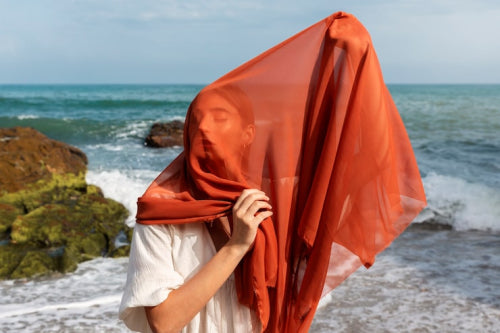
Block-Printed Dupattas Reflect Seasonal Shifts in Ethnic Wear
Quick Listen:
In the vibrant workshops of Rajasthan, artisans wield wooden blocks with precision, their craft echoing a tradition that stretches back to the Indus Valley Civilization. These blocks, kissed by natural dyes, transform flowing dupattas into canvases of cultural heritage. Far more than a scarf, the dupatta is a cornerstone of South Asian identity, and its block-printed variants are riding a global wave of fascination. As seasonal shifts dictate new colors and fabrics, block-printed dupattas are redefining ethnic wear, captivating fashion enthusiasts from Mumbai's bustling markets to the chic boutiques of New York.
Fast fashion erodes cultural heritage, sidelining artisans and reducing traditions to trends. At IndieHaat, we champion India's craftspeople with handcrafted sarees, apparel, décor, and skincare rooted in authenticity. Each piece embodies skill and ethical care. Support artisans and preserve India's timeless legacy Shop Now!
A Craft Rooted in History
The global ethnic wear market, valued at USD 99.5 billion in 2024 and projected to soar to USD 185.0 billion by 2034 with a 6.4% CAGR, underscores a rising demand for culturally significant garments. At the forefront is block printing, a technique honed over centuries, particularly under Mughal patronage, where Rajasthan's Chippa community mastered the art of stamping intricate florals and geometric patterns with hand-carved blocks and eco-friendly dyes. As block printing evolves, it transcends traditional saris and salwar sets, adorning dupattas that blend heritage with contemporary style.
Derived from the Sanskrit “du” (two) and “patta” (cloth), the dupatta is a versatile emblem of South Asian attire. It serves as a graceful drape over a kurta, a ceremonial headscarf, or even a shawl in modern fusion looks. Its cultural weight is undeniable, yet its adaptability has made it a favorite among younger generations in India and the diaspora, who see the dupatta's versatility as a bridge between tradition and today's fashion sensibilities.
Seasonal Elegance and Eco-Conscious Craft
Block-printed dupattas are uniquely attuned to seasonal rhythms. In India's sweltering summers, artisans favor lightweight cotton or mulmul, imprinting them with delicate motifs in soft pastels like lavender and aqua. Winter calls for richer silks or pashmina blends, stamped with bold hues think saffron and burgundy that mirror the vibrancy of festivals like Diwali. This seasonal flexibility has propelled their prominence in India's ethnic wear market, which generated USD 19,093.9 million in 2023 and is expected to reach USD 30,448.6 million by 2030, growing at a 6.9% CAGR.
Sustainability is a key pillar of this craft's resurgence. With natural dyes and handcrafted methods, block printing aligns with the global push for eco-friendly fashion, resonating with consumers in the US, UK, and UAE. E-commerce platforms have been instrumental, connecting artisans to international buyers. Brands partnering with Rajasthan's craftsmen market dupattas to urban professionals in cities like Bengaluru and Dubai, emphasizing authenticity and the artisan's stories. This direct-to-consumer model fosters a bond that mass-produced garments simply cannot match, making each purchase a celebration of heritage.
Festivals, Fusion, and Global Reach
In India, block-printed dupattas are a festival staple, elevating outfits during celebrations like Eid and Diwali. E-commerce brands targeting Delhi's style-conscious consumers reported a spike in 2024 festive sales, with geometric-patterned dupattas leading the charge. Yet, their appeal extends far beyond South Asia. The global ethnic wear market, valued at USD 77.6 billion in 2020 and projected to hit USD 126.2 billion by 2028 with a 6.3% CAGR, reflects a hunger for cultural garments. In the US and UK, dupattas are reimagined as shawls over evening gowns or bold scarves, merging South Asian roots with Western aesthetics.
This global adoption, however, isn't without friction. Fast-fashion brands often appropriate block-printed designs, marketing them as generic “exotic” patterns without acknowledging their South Asian origins, a practice that risks cultural erasure. Artisans also grapple with supply chain challenges, from securing high-quality natural dyes to meeting the rapid pace of e-commerce demand. Despite these hurdles, collaborations between traditional craftsmen and modern designers are flourishing. Influencers in India and the UAE showcase dupattas in fusion ensembles think a block-printed dupatta paired with a leather jacket captivating younger, trend-savvy audiences.
Navigating Challenges in a Global Market
The ascent of block-printed dupattas faces significant obstacles. Small-scale artisans struggle to scale production for global e-commerce, competing against cheaper, synthetic alternatives that dominate online marketplaces. Maintaining fair wages while keeping prices accessible is a delicate balance, especially as raw material costs vary seasonally. Cultural missteps also pose risks: abroad, intricate block prints are sometimes reduced to decorative motifs, stripped of their historical and cultural depth, leading to accusations of appropriation.
Yet, the opportunities are boundless. The surge in demand for sustainable, handcrafted fashion in markets like the US and UK offers artisans a platform to transcend local boundaries. E-commerce democratizes access, enabling small producers to rival established brands. The rise of ethnic fusion fashion further fuels innovation, with dupattas styled in unexpected ways draped over blazers or worn as sarongs. Brands are also leveraging influencer marketing, with fashion bloggers in Singapore and Dubai curating looks that highlight dupatta's versatility, proving that heritage can be both timeless and on-trend.
Weaving Heritage into the Future
In Rajasthan's workshops, the steady rhythm of block printing persists, a testament to a craft that carries centuries of stories. Block-printed dupattas, with their seasonal adaptability and vibrant designs, are more than garments they're a dialogue between tradition and modernity, local artisans and global markets. As the ethnic wear market grows at a projected 6.3% CAGR through 2028, handcrafted textiles are poised to lead the charge. For brands, success lies in balancing authenticity with innovation, whether through artisan collaborations or strategic e-commerce expansion.
For consumers, a block-printed dupatta is a wearable narrative, a piece of art that honors heritage while embracing the present. As seasons shift, bringing fresh palettes and textures, these dupattas will continue to drape the world in the colors of tradition, proving that some crafts are as enduring as they are exquisite.
Frequently Asked Questions
How do block-printed dupattas reflect seasonal trends in ethnic wear?
Block-printed dupattas adapt to seasonal shifts through their color palettes and fabric choices, such as vibrant florals for spring or earthy tones for winter. Lightweight cotton dup.Sheattas are popular in summer, while silk or heavier fabrics suit colder months. These handcrafted pieces add a cultural touch to ethnic outfits, aligning with festive and seasonal aesthetics.
What makes block-printed dupattas a unique addition to ethnic wear?
Block-printed dupattas stand out due to their artisanal craftsmanship, featuring intricate, hand-carved wooden block designs. The use of natural dyes and traditional techniques creates unique patterns, making each piece a blend of heritage and style. They elevate ethnic wear like kurtas or lehengas with their timeless appeal and versatility.
How can I style a block-printed dupatta for different occasions?
For casual outings, pair a block-printed cotton dupatta with a simple kurta and juttis for a chic, everyday look. For festive events, style a silk block-printed dupatta with a heavily embroidered lehenga or an Anarkali suit to enhance elegance. Accessorize with minimal jewelry to let the dupatta's intricate patterns shine.
Disclaimer: The above helpful resources content contains personal opinions and experiences. The information provided is for general knowledge and does not constitute professional advice.
You may also be interested in: Saree Trends for 2025: Seven Styles Set to Gain Popularity
Fast fashion erodes cultural heritage, sidelining artisans and reducing traditions to trends. At IndieHaat, we champion India's craftspeople with handcrafted sarees, apparel, décor, and skincare rooted in authenticity. Each piece embodies skill and ethical care. Support artisans and preserve India's timeless legacy Shop Now!
Powered by flareAI.co