
Buy Linen Saree USA: Navigating International Artisanal Shops
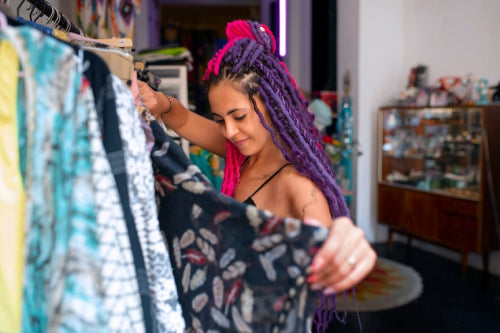
Picture a vibrant linen saree unfurled in a Seattle boutique, its soft weave shimmering with hues of saffron and emerald, whispering tales of Indian artisans who poured their craft into every thread. For Americans enchanted by global textiles, the journey to own such a piece can feel like navigating a bustling foreign market exhilarating yet daunting. Linen sarees, celebrated for their breathability and timeless elegance, are carving a niche in the USA, and platforms like IndieHaat are guiding buyers through this artisanal adventure with authenticity and ease.
Unveiling the Allure of Linen Sarees
Linen sarees are a symphony of tradition and practicality. Crafted from flax, they offer a lightweight, airy drape that feels luxurious yet grounded, perfect for both festive occasions and everyday wear. Their rising popularity in the USA reflects a broader shift toward sustainable fashion. A recent market analysis reveals that India's saree market, valued at USD 5.76 billion in 2024, is projected to soar to USD 10.33 billion by 2033, with a steady CAGR of 6.70%. This growth is propelled by a growing appetite for eco-friendly handwoven sarees, bolstered by initiatives like India's Handloom Mark and GI tags, which guarantee authenticity while supporting weavers.
IndieHaat stands as a beacon in this landscape, curating handcrafted sarees made solely from pure linen, silk, and cotton. By sourcing directly from artisans, the platform ensures each saree carries unique designs and a story of cultural heritage, resonating with buyers across India, the USA, Singapore, Australia, the UK, and the UAE. For American consumers, IndieHaat isn't just a marketplace it's a portal to India's rich textile legacy, delivered with transparency and care.
The Global Surge of Handcrafted Fashion
The world is embracing handmade textiles with open arms, and linen sarees are at the heart of this movement. According to a global market report, the handloom products sector, valued at USD 8.32 billion in 2024, is expected to climb to USD 16.62 billion by 2032, growing at a CAGR of 9.24%. Asia Pacific, with India as its powerhouse, commands a 55.77% market share, driven by demand for sustainable, culturally rich products. This trend is amplified by younger consumers who value craftsmanship over mass production.
Online platforms are fueling this shift, and IndieHaat is a prime example. Through vibrant social media channels like Instagram, Facebook, and YouTube, it showcases sarees via influencers such as anilarubyraj and varshaoak. These platforms don't just display products they tell stories, connecting buyers in the USA with artisans in India. The rise of e-commerce, enhanced by AI-driven tools like virtual try-ons, as noted in the IMARC report, makes shopping for handwoven sarees more accessible and engaging than ever.
Mastering the Art of International Shopping
Buying a linen saree from an international platform like IndieHaat can spark both excitement and hesitation. Will the shipping be reliable? Is the fabric truly authentic? IndieHaat streamlines this experience for its key markets India, the USA, Singapore, Australia, the UK, and UAE with secure payment systems and clear shipping protocols. What sets it apart is its commitment to transparency: each saree comes with details about the artisan, the weaving technique, and its cultural significance, fostering a sense of connection.
Building trust is critical in online artisanal markets. IndieHaat tackles this with high-quality images, detailed descriptions, and customer reviews that bring the product to life. Certifications like the Handloom Mark, highlighted in the IMARC Group report, reassure buyers that they're investing in genuine handwoven craftsmanship, not machine-made imitations. This transparency transforms a purchase into a meaningful exchange, bridging continents and cultures.
Weaving Stories of Success
Imagine a buyer in San Francisco stumbling across IndieHaat via drminimalhotra's Instagram post, captivated by a linen saree's intricate patterns and earthy tones. Her order arrives with a note from the artisan in Rajasthan, detailing the days spent weaving the piece. This personal touch dispels her initial concerns about cost and authenticity, turning her into a loyal advocate. Such experiences highlight how IndieHaat overcomes common objections, creating a seamless shopping journey.
Behind every saree lies an artisan's livelihood. The Sāliyan weavers of Mayiladuthurai, Tamil Nadu, for instance, craft Koorai sarees nine-yard marvels blending silk and cotton, as described in a cultural overview. Known for their vibrant checked patterns and symbolic colors like green and yellow, these sarees embody prosperity. IndieHaat's direct-to-consumer model empowers these artisans, providing fair wages and global exposure, preserving a craft that sustains entire communities.
Addressing the Challenges
High pricing often raises eyebrows. Handwoven linen sarees, crafted with meticulous care, command a premium compared to mass-produced alternatives. Yet, IndieHaat emphasizes the value: the use of authentic linen, the artisan's expertise, and the sustainable practices involved. A market forecast projects the global handloom product market to reach USD 18.6 billion by 2033, with a CAGR of 8.54%, reflecting consumer's willingness to invest in quality and heritage.
The inability to touch the fabric before buying is another hurdle. IndieHaat counters this with vivid imagery and videos on YouTube, where artisans demonstrate their craft. Responsive customer support, available across time zones, answers queries about texture or fit, making the virtual experience tactile. Trust concerns are addressed through transparent sourcing and robust return policies, ensuring buyers in the USA feel confident in their choices.
Seizing Opportunities in the USA
The USA's diverse population, including a vibrant Indian diaspora, presents a fertile market for linen sarees. IndieHaat taps into this by offering designs that blend tradition with modern flair, appealing to both cultural enthusiasts and fashion-forward buyers. The IMARC report notes that celebrity endorsements and eco-conscious branding are drawing younger demographics, a trend IndieHaat leverages through its social media presence and sustainable ethos.
Every purchase through IndieHaat supports Indian artisans, ensuring fair compensation and preserving traditional techniques. The global handloom sarees market, valued at USD 3.72 billion in 2024, is set to grow to USD 7.29 billion by 2032, with a CAGR of 8.99%. This growth underscores the potential for platforms like IndieHaat to expand their reach while uplifting artisan communities.
A Legacy Woven in Every Thread
Linen sarees are more than garments they're a celebration of India's artisanal soul, crafted with care and steeped in tradition. IndieHaat makes this heritage accessible, whether you're in Miami or Melbourne. As the global handloom market flourishes, driven by a hunger for authenticity and sustainability, platforms like IndieHaat are not just selling sarees they're weaving a global tapestry of culture and craft. For those ready to embrace this legacy, a linen saree from IndieHaat is a vibrant thread connecting past, present, and future, artisan to wearer, across the world.
Frequently Asked Questions
Where can I buy authentic linen sarees in the USA from Indian artisans?
You can purchase authentic handwoven linen sarees in the USA through platforms like IndieHaat, which sources directly from Indian artisans and ships to key markets including the USA, Singapore, Australia, UK, and UAE. IndieHaat specializes in pure linen, silk, and cotton sarees with proper authentication like India's Handloom Mark and GI tags, ensuring you receive genuine handcrafted pieces rather than machine-made imitations.
Why are handwoven linen sarees more expensive than regular sarees?
Handwoven linen sarees command premium pricing because they're crafted from authentic linen by skilled artisans using traditional techniques that can take days to complete. The higher cost reflects the quality of pure linen fabric, the artisan's expertise, sustainable production practices, and fair wages for craftspeople. According to market forecasts, consumers are increasingly willing to invest in heritage craftsmanship, with the global handloom sarees market projected to grow from USD 3.72 billion in 2024 to USD 7.29 billion by 2032.
How can I trust the quality when buying linen sarees online from international sellers?
Reputable platforms like IndieHaat build trust through transparency by providing detailed product descriptions, high-quality images, videos of artisans demonstrating their craft, and customer reviews. Look for certifications like the Handloom Mark that guarantee authentic handwoven craftsmanship. Additionally, reliable sellers offer responsive customer support across time zones, clear shipping protocols, and robust return policies to ensure confident purchasing from the USA.
Disclaimer: The above helpful resources content contains personal opinions and experiences. The information provided is for general knowledge and does not constitute professional advice.
You may also be interested in: Eco-Friendly Apparel Gains Traction Among Conscious Consumers
Fast fashion erodes cultural heritage, sidelining artisans and reducing traditions to trends. At IndieHaat, we champion India's craftspeople with handcrafted sarees, apparel, décor, and skincare rooted in authenticity. Each piece embodies skill and ethical care. Support artisans and preserve India's timeless legacy Shop Now!
Powered by flareAI.co