
Eco-Friendly Sarees Gain Traction Among Urban Indian Consumers
Quick Listen:
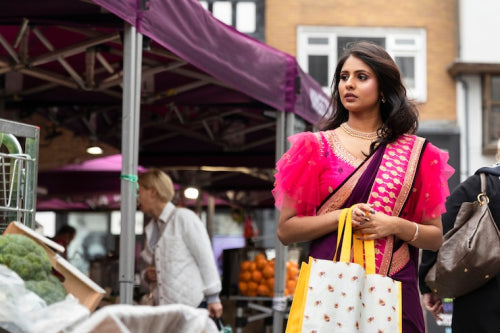
In the vibrant streets of Bengaluru's MG Road, where modern storefronts gleam under neon lights, a subtle yet powerful shift is taking place. Young urbanites, clutching reusable bags and fueled by environmental conviction, are bypassing fast-fashion outlets for boutiques showcasing handwoven sarees crafted with natural dyes and rooted in India's artisanal legacy. These sarees are more than attire; they're emblems of a growing movement that marries cultural heritage with eco-conscious values. Across India's metropolitan hubs, sustainable sarees are gaining momentum, driven by platforms like IndieHaat, an e-commerce champion connecting discerning buyers with skilled artisans.
This transformation is underpinned by robust market growth. The India saree market, valued at USD 5.76 billion in 2024, is forecasted to reach USD 10.33 billion by 2033, achieving a compound annual growth rate (CAGR) of 6.70%, according to IMARC Group. A major catalyst is the surging preference for eco-friendly handloom sarees, bolstered by government programs like Geographical Indication (GI) tags and the Handloom Mark, which ensure authenticity and support weaver communities. Beyond policy, urban India especially millennials and Gen Z is redefining fashion, favoring ethical, sustainable choices over fleeting trends.
The Rise of Slow Fashion
Stroll through Delhi's Hauz Khas Village or Mumbai's Kala Ghoda, and the evidence is clear: cafes hum with professionals draped in khadi sarees, their muted hues standing out against the gloss of synthetic garments. This is the essence of “slow fashion” a conscious pivot from mass-produced clothing to textiles that carry stories of craftsmanship. The global handloom market, valued at USD 7.8 billion in 2023, is projected to climb to USD 17.0 billion by 2033, with a CAGR of 8.1%. Handwoven sarees, shawls, and furnishings, created on traditional looms, are celebrated for their sustainable methods and distinctive regional designs.
Several forces propel this trend. Heightened awareness of climate change has permeated urban consciousness, amplified by social media influencers who flaunt sarees dyed with natural indigo or turmeric. Bollywood's influence is undeniable stars, swathed in handloom weaves at high-profile events, elevate sustainability to aspirational status. IMARC Group highlights that eco-conscious branding and celebrity endorsements resonate strongly with younger consumers, who prioritize brands reflecting their environmental values. E-commerce platforms like IndieHaat further accelerate adoption, offering innovations like AI-driven personalization and virtual try-ons, making sustainable sarees both accessible and appealing.
Artisans Driving Change
IndieHaat places artisans at the core of its mission. Consider the weavers of Kotpad, a tribal community in Odisha, whose handloom fabrics are dyed using natural extracts from the aal tree, yielding rich reds and intricate patterns. These sarees embody sustainable artistry, and IndieHaat's partnerships ensure fair compensation and global visibility for such cooperatives. Similarly, some artisans produce linen sarees from organic materials, repurposing scraps into decorative elements and eco-friendly packaging. These narratives strike a chord with urban buyers eager to support community-driven craftsmanship.
Khadi, a symbol of India's independence movement, is experiencing a revival. Its lightweight, hand-spun fabric is a staple in Bengaluru's humid climate, while linen sarees captivate Mumbai's style-conscious elite. IndieHaat's top-selling categories khadi for daily wear, handwoven cotton for festive occasions, and linen for professional settings reflect this versatility. Each saree requires weeks of meticulous work, from weaving to dyeing, in stark contrast to the rapid output of factory-made synthetics. This labor-intensive process underscores the value of artisanal production, both culturally and environmentally.
Challenges to Wider Adoption
Despite their allure, eco-friendly sarees face hurdles. Their premium pricing often starting at ₹5,000 for a handwoven saree can deter budget-conscious consumers, especially when fast-fashion alternatives cost far less. Supply chain limitations exacerbate the issue. Artisanal weaving is inherently slow, unable to compete with mechanized production, and the pool of skilled weavers is shrinking as younger generations seek urban opportunities. IMARC Group notes that these extended production timelines hinder market scalability, posing a structural challenge.
Branding remains another obstacle. Some consumers mistakenly view “eco” as synonymous with plain or outdated aesthetics. IndieHaat counters this by offering bold designs and contemporary styles, proving that sustainability can be fashionable. “Our goal isn't just to sell sarees but to promote a lifestyle where eco-conscious choices are vibrant and desirable,” an IndieHaat representative explains. Addressing these barriers demands more than marketing it requires educating consumers and strengthening systemic support for artisans through training and infrastructure.
A Thriving Market Opportunity
The market's potential is vast. Festivals like Diwali and Durga Puja drive a 60% surge in ethnic wear sales, with sarees at the forefront, according to Global Growth Insights. Weddings are equally lucrative, with a 50% rise in demand for sustainable bridal fabrics. IndieHaat leverages these occasions, curating collections for gifting and celebrations that resonate with cultural traditions. The platform also taps into global demand, with eco-sarees gaining traction in the U.S. and Europe, where cultural diversity fuels interest in traditional attire.
E-commerce is a pivotal enabler. With 70% of ethnic wear available online and 35% of sales occurring digitally, IndieHaat's storytelling approach detailing each saree's origin, artisan, and natural dye creates an emotional connection with buyers. The broader Indian ethnic wear market, valued at USD 197.2 billion in 2024, is expected to reach USD 558.5 billion by 2033, with a CAGR of 12.6%. Sarees, as a cornerstone of India's cultural identity, are central to this expansion, blending tradition with modern sensibilities.
Expert Perspectives on the Future
“Sustainability is no longer optional it's imperative,” asserts a Delhi-based fashion academic. “Urban consumers are increasingly aware of fast fashion's environmental toll, and sarees offer a timeless medium for sustainable expression.” Experts praise platforms like IndieHaat for bridging artisans and markets but call for greater investment in certifications like the Handloom Mark to enhance credibility. Analysts forecast that India's sustainable apparel sector could double by 2030, propelled by Gen Z's penchant for blending tradition with innovation sarees styled with modern accessories like sneakers or crop tops.
IndieHaat is proactive in shaping this future. The platform plans to host workshops on natural dyeing techniques and collaborate with influencers to make eco-fashion more relatable. “Every saree should ignite a dialogue about style, the environment, and the artisans behind it,” the representative adds. These efforts aim to normalize sustainable choices while preserving India's textile heritage.
Crafting a Sustainable Legacy
As twilight settles over Mumbai's Marine Drive, a young professional smooths her khadi saree before attending a colleague's wedding. This simple act carries profound impact supporting a weaver in Gujarat, minimizing environmental harm, and sustaining a centuries-old craft. Eco-friendly sarees represent more than fashion; they embody a commitment to heritage and responsibility. Through platforms like IndieHaat, this vision is woven into reality, demonstrating that style can be both exquisite and ethical. In an era of relentless consumption, these sarees urge us to pause, choose thoughtfully, and wear our principles with elegance.
Disclaimer: The above helpful resources content contains personal opinions and experiences. The information provided is for general knowledge and does not constitute professional advice.
You may also be interested in: Fast Fashion vs. Slow Fashion: Understanding the Shift Towards
Fast fashion erodes cultural heritage, sidelining artisans and reducing traditions to trends. At IndieHaat, we champion India's craftspeople with handcrafted sarees, apparel, décor, and skincare rooted in authenticity. Each piece embodies skill and ethical care. Support artisans and preserve India's timeless legacy Shop Now!
Powered by flareAI.co