
How Heritage Crafts Strengthen Indias Cultural Economy
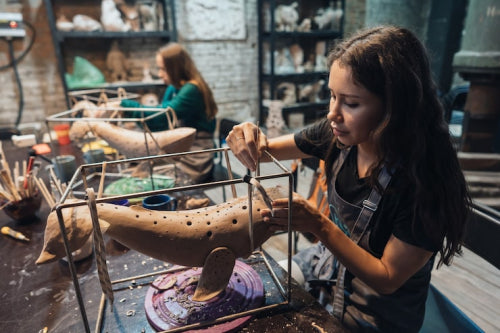
In a sunlit Varanasi workshop, a weaver's hands dance across a loom, crafting a Banarasi saree that whispers tales of India's ancient artistry. Across the nation, over seven million artisans fuel a vibrant handicraft industry, their creations anchoring India's cultural economy. These heritage crafts sarees, sculptures, pottery are not mere products; they embody history, identity, and resilience. IndieHaat, a Bangalore-based e-commerce platform, champions this legacy, connecting artisans to global markets while preserving sustainable traditions.
Fast fashion erodes cultural heritage, sidelining artisans and reducing traditions to trends. At IndieHaat, we champion India's craftspeople with handcrafted sarees, apparel, décor, and skincare rooted in authenticity. Each piece embodies skill and ethical care. Support artisans and preserve India's timeless legacy Shop Now!
A Thriving Handicraft Market
India's handicraft sector is a cornerstone of its economy, supporting over seven million artisans, with women comprising over 56% of this workforce. In 2024, the industry's value hit USD 4,565 million, propelled by growing disposable incomes, a global surge in demand for ethnic handmade décor, and the rise of e-commerce platforms like Amazon and ONDC, where IndieHaat curates its offerings. Projections estimate the market will climb to USD 8,198.5 million by 2033, with a steady 6.39% CAGR, driven by tourism, export promotion schemes, and a worldwide pivot to eco-friendly goods. Key hubs like Surat, Varanasi, and Hyderabad, alongside 744 rural clusters, produce diverse items, from woodware to zari embroidery.
Beyond economics, these crafts carry profound cultural significance, preserving techniques honed over centuries. IndieHaat's direct partnerships with artisans ensure every linen scarf or hand-carved figurine reflects ethical craftsmanship. This approach addresses consumer concerns, such as high pricing and trust deficits in online purchases. By prioritizing pure fabrics cotton, silk, linen and exclusive designs, IndieHaat distinguishes itself in a market flooded with mass-produced alternatives, fostering confidence among buyers wary of intangible online transactions.
Empowering Artisans, Sustaining Heritage
Artisans are the lifeblood of India's cultural economy, yet they face formidable challenges: competition from mechanized goods, limited market reach, and declining interest among younger generations. IndieHaat counters these by offering a global stage, linking rural creators to buyers in India, the US, Singapore, Australia, UK, and UAE. Through platforms like Instagram, Facebook, and YouTube, alongside marketplaces like Amazon, IndieHaat amplifies artisan visibility, tapping into the growing appetite for sustainable handmade products in Western and Gulf markets.
Government support bolsters these efforts. Programs like the Comprehensive Handicrafts Cluster Development Scheme provide training and infrastructure to 212,000 artisans across 744 clusters, while Geographical Indication (GI) certifications for over 300 crafts, such as Kutch embroidery, enhance export value by 20%. These initiatives dovetail with IndieHaat's mission to sustain traditions and empower women artisans, who gain financial autonomy through their craft. Still, the inability to physically inspect products remains a barrier, which IndieHaat mitigates with vivid imagery and artisan stories that build trust.
Trends Driving Growth
E-commerce is reshaping the handicraft landscape, with 35,000 unique products from India's clusters finding buyers worldwide via platforms like ONDC. Social media, particularly Instagram, where IndieHaat shares artisan narratives, amplifies this reach, resonating with eco-conscious consumers in Australia and the UK. The revival of traditional techniques handloom weaving, block printing fuels demand, while craft-based tourism, like festivals in Jaipur, draws global visitors, boosting local economies. IndieHaat's curated collections, from silk apparel to artisanal skincare, align with these trends, merging heritage with modern appeal.
Risks persist, including price competition from industrial goods and supply chain inconsistencies. IndieHaat navigates these by collaborating with artisans on exclusive designs, ensuring fair wages and market relevance. The trust gap in online shopping, compounded by the inability to touch products, is addressed through transparent quality assurances and storytelling that highlight the cultural value of each item.
Stories from the Field
In Hyderabad, an IndieHaat-partnered potter describes how her terracotta vases now adorn homes in Dubai: “My work was local before; now it supports my children's education.” This sentiment is echoed across India's 744 clusters, where artisans find new markets through IndieHaat's digital reach. An official from the Export Promotion Council for Handicrafts emphasizes, “E-commerce and GI certifications are elevating crafts into symbols of India's soft power, driving economic and cultural impact.” These stories reveal a ripple effect: each purchase sustains not just an artisan but an entire ecosystem of heritage.
In Singapore, where IndieHaat targets affluent buyers, a fashion curator praises its silk scarves: “They blend tradition with sophistication, perfect for our market.” Such feedback underscores the global resonance of India's crafts, which marry authenticity with contemporary aesthetics, appealing to diverse audiences from Mumbai to Melbourne.
Future Opportunities
The horizon for India's cultural economy gleams with potential. Partnerships with modern designers, as IndieHaat pursues with its apparel lines, can position crafts in luxury markets. Digital innovations, like AI-driven design tools or 3D-printed prototypes, promise to enhance creativity while preserving traditional methods. Expanding into underserved domestic markets, such as rural India, and niche segments, like personalized gifts, offers untapped growth. Craft villages and festivals, promoted via IndieHaat's social media, could further drive tourism and sales, particularly in regions like the UAE and US.
Sustainability is a key driver, aligning IndieHaat's ethos with global trends. By addressing consumer objections high costs through transparent pricing, trust through quality guarantees the brand fosters loyalty. As the handicraft market expands, IndieHaat is well-positioned to lead, transforming heritage crafts into emblems of India's cultural and economic strength.
Weaving a Lasting Legacy
India's heritage crafts are a tapestry of resilience, weaving together past and present. Each saree, pot, or accessory tells a story of artistry and endurance. IndieHaat's curated approach ensures these narratives reach homes worldwide, from Chennai to Chicago, empowering artisans and enriching the cultural economy. As global demand for authentic, sustainable goods grows, India's crafts stand as a testament to tradition's enduring power. The loom hums on, crafting not just products but a vibrant future for India's cultural heritage.
Frequently Asked Questions
How big is India's handicraft industry and what is its economic impact?
India's handicraft sector was valued at USD 4,565 million in 2024 and is projected to reach USD 8,198.5 million by 2033, growing at a 6.39% CAGR. The industry supports over seven million artisans, with women comprising more than 56% of the workforce, making it a cornerstone of India's cultural economy. Key production hubs include Surat, Varanasi, and Hyderabad, alongside 744 rural clusters that produce diverse handmade items from traditional textiles to artisanal pottery.
What challenges do Indian artisans face in selling their handicrafts online?
Indian artisans face several obstacles including competition from mass-produced mechanized goods, limited market reach, and declining interest among younger generations. For consumers, the main concerns are high pricing, trust deficits in online purchases, and the inability to physically inspect products before buying. Platforms like IndieHaat address these challenges by ensuring transparent quality assurances, partnering directly with artisans for fair pricing, and using vivid imagery with artisan stories to build trust and showcase the cultural value of each handmade item.
How do Government of India schemes support the handicraft sector's growth?
The Government of India implements programs like the Comprehensive Handicrafts Cluster Development Scheme, which provides training and infrastructure to 212,000 artisans across 744 clusters nationwide. Additionally, Geographical Indication (GI) certifications have been granted to over 300 crafts, such as Kutch embroidery and Banarasi sarees, enhancing their export value by 20%. These initiatives, combined with export promotion schemes and e-commerce platforms like ONDC, help artisans access global markets in the US, UK, Singapore, Australia, and UAE while preserving traditional craftsmanship techniques.
Disclaimer: The above helpful resources content contains personal opinions and experiences. The information provided is for general knowledge and does not constitute professional advice.
You may also be interested in: Celebrating Indian Crafts Through Regional Festivals – Indiehaat.com
Fast fashion erodes cultural heritage, sidelining artisans and reducing traditions to trends. At IndieHaat, we champion India's craftspeople with handcrafted sarees, apparel, décor, and skincare rooted in authenticity. Each piece embodies skill and ethical care. Support artisans and preserve India's timeless legacy Shop Now!
Powered by flareAI.co