
Soft Embellishments Define Minimalist Ethnic Looks
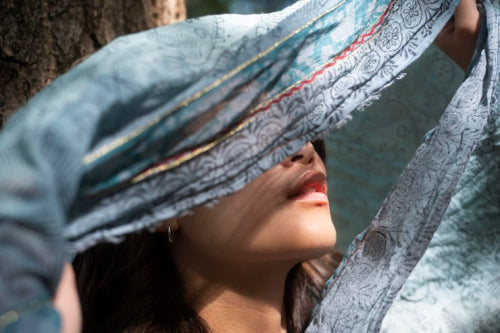
In the bustling streets of Mumbai or the vibrant souks of Dubai, a quiet revolution is unfolding in ethnic fashion. Gone are the days when bold, heavy adornments dominated wardrobes; today, it's the whisper of soft embellishments subtle threadwork, light beading, and delicate motifs that's captivating discerning buyers. This shift toward minimalist ethnic looks isn't just a fleeting fad; it's a response to a world craving authenticity and comfort amid fast-paced lives.
For platforms like indiehaat.com, which specialize in offering clothing, accessories, home décor, and other handcrafted goods sourced directly from artisans, this trend represents a golden opportunity. By focusing on handmade items with unique designs and authentic, pure fabrics like linen, silk, and cotton, such brands are perfectly positioned to meet the demand for pieces that blend tradition with modern simplicity. As consumers in key markets seek out garments that feel personal and sustainable, the emphasis on soft embellishments allows for elegance without excess, making ethnic wear versatile for everyday use or special occasions.
This evolution in ethnic fashion aligns with broader market growth. While the global ethnic wear market was valued at $89.3 billion in 2021 and is projected to reach $177.2 billion by 2031, growing at a CAGR of 7.2%, regional dynamics in places like India, the US, Singapore, Australia, the UK, and the UAE show even more nuanced shifts toward minimalism. In India, for instance, traditional handloom traditions are adapting to contemporary tastes, with minimalist designs gaining traction among urban professionals who value sophistication over opulence.
Fast fashion erodes cultural heritage, sidelining artisans and reducing traditions to trends. At IndieHaat, we champion India's craftspeople with handcrafted sarees, apparel, décor, and skincare rooted in authenticity. Each piece embodies skill and ethical care. Support artisans and preserve India's timeless legacy Shop Now!
Emerging Trends and Recent Developments
Across the targeted regions, minimalist ethnic looks defined by soft embellishments are emerging as a key trend, driven by a blend of cultural revival and sustainability concerns. In India, reports highlight the rise of sustainable handlooms, where minimalist Kasavu saris known for their sophisticated, understated elegance are adapting to modern times with subtle embellishments that suit eco-conscious buyers. The Bharat Tex 2024 report emphasizes emerging trends originating from India that are influencing global fashion, including lighter, more refined ethnic silhouettes with soft details like minimal embroidery on pure fabrics. This is echoed in the NIFT Journal of Fashion, which discusses the fusion of handmade brilliance with progressive designs, often featuring soft embellishments on cotton and silk to create timeless pieces.
In the US, ethnic wear trends are influenced by diaspora communities, with reports noting a preference for fusion styles that incorporate soft embellishments from Asian traditions into everyday apparel. For example, inspirations from Indian kurtas are being reimagined with minimalist collars and light scarves, appealing to a market that values cultural pride alongside comfort. Singapore's fashion scene, as detailed in heritage publications, showcases local designers like Benny Ong integrating subtle ethnic elements into modern garments, emphasizing soft textures and minimal adornments for a cosmopolitan audience.
Australia is seeing collaborations between local designers and Indian artisans, fostering minimalist ethnic designs with soft embellishments that promote sustainability. Bridal trends there even nod to toned-down Indian looks, favoring comfortable, minimally embroidered lehengas over heavy ones. In the UK, modest fashion reports reveal a surge in ethnic clothing with soft, intricate details, particularly among diverse communities seeking elegant, understated options. The UAE, with its rich textile heritage, continues to evolve traditional abayas and kandoras with minimalist designs featuring subtle geometric embellishments, blending cultural roots with contemporary appeal. On social platforms like Instagram and X, users are sharing looks that celebrate this shift, from ivory Anarkalis with delicate embroidery in India to fusion kurtas in the US.
Real-World Examples, Applications, and Case Studies
Real-world applications of this trend are vivid across regions. In India, brands are drawing from Banaras brocades but softening them with minimalist motifs for urban wear, as seen in artisan-sourced saris that use pure silk with light threadwork. A case in point is the growing popularity of Kasavu saris, which embody minimalism with their clean lines and subtle gold borders, ideal for professional settings or casual outings.
In the US, ethnic marketing reports showcase how apparel with soft embellishments, like printed fabrics with light ethnic motifs, is being integrated into mainstream fashion. For instance, designers are creating gender-neutral pieces inspired by Indian kurtas, adding subtle beads for a touch of heritage without overwhelming the look. Singapore's heritage ventures highlight garments by local talents that fuse Peranakan influences with minimalist ethnic designs, using soft embroideries on silk for versatile home décor and clothing applications.
Australian studies on artisan collaborations reveal case studies where emerging designers partner with Indian weavers to produce minimalist ethnic wear, such as light cotton dresses with soft hand-embroidered details, extending garment lifetimes through quality craftsmanship. In the UK, ethnographic accounts of modest fashion show Muslim women opting for abayas with soft embellishments, blending ethnic traditions with modern minimalism for daily wear. The UAE's traditional designs, like kandoras with subtle patterns, are being modernized for global appeal, as seen in reports on Emirati fashion that prioritize comfort and elegance. Social media influencers on Instagram, such as those sharing radiant yellow Anarkalis with floral accents, exemplify how these looks are applied in real life, from festivals to everyday elegance.
Key Challenges, Limitations, or Risks
Despite the appeal, challenges persist. High pricing remains a common objection, as artisan-sourced pieces with pure fabrics often command premiums due to ethical production. In regions like Australia and the UK, where fast fashion dominates, convincing consumers of the value in minimalist ethnic wear can be tough. Trust deficits arise from concerns over authenticity, especially in online markets where buyers can't touch the soft textures of linen or silk.
Limitations include supply chain risks in India and the UAE, where traditional weaving techniques face modernization pressures, potentially diluting soft embellishment quality. In the US and Singapore, cultural appropriation risks loom if designs aren't respectfully adapted. Additionally, the lack of tactile experience in e-commerce a key objection can hinder adoption, as shoppers miss feeling the lightness of cotton or the smoothness of silk.
Opportunities, Efficiencies, or Business Impacts
Yet, opportunities abound. For businesses like indiehaat.com, direct artisan sourcing creates efficiencies by cutting intermediaries, ensuring unique designs that stand out in saturated markets. In India, this trend boosts handloom sectors, with reports showing potential for economic growth through sustainable practices. The US market's ethnic pride drives demand for minimalist pieces, impacting businesses positively by tapping into diaspora spending.
In Singapore and Australia, collaborations enhance efficiencies, extending garment lifecycles and reducing waste. UK and UAE trends toward modest, minimalist ethnic wear open doors for inclusive marketing on platforms like Facebook and YouTube, building trust through vivid descriptions and videos that simulate touch. Overall, this shift promises business impacts like higher margins from premium, authentic products, addressing objections by emphasizing value and heritage.
How Minimalist Ethnic Wear Shapes Tomorrow
As we look ahead, expert insights suggest minimalist ethnic looks with soft embellishments will dominate, evolving with technology and sustainability. In regions from India to the UAE, the future holds fusion innovations that honor traditions while embracing modernity. For decision-makers in the handcrafted goods sector, the recommendation is clear: invest in artisan partnerships and pure fabrics to capture this wave. Ultimately, in a world of excess, the subtle grace of a softly embellished garment reminds us that true elegance lies in restraint timeless, authentic, and profoundly human.
Frequently Asked Questions
What are soft embellishments in ethnic wear and why are they trending?
Soft embellishments refer to subtle decorative elements like delicate threadwork, light beading, and minimal motifs on ethnic garments, as opposed to heavy, bold adornments. This trend is gaining popularity because modern consumers seek authenticity, comfort, and versatility in their ethnic wear, favoring pieces that blend traditional craftsmanship with contemporary minimalism. Soft embellishments on pure fabrics like silk, cotton, and linen create elegant looks suitable for both everyday wear and special occasions.
How do minimalist ethnic looks with soft embellishments support sustainable fashion?
Minimalist ethnic wear with soft embellishments promotes sustainability by emphasizing quality handcrafted pieces made from pure, natural fabrics sourced directly from artisans. This approach supports traditional handloom sectors and weaving techniques while reducing reliance on fast fashion. By focusing on timeless designs with subtle detailing, these garments have extended lifetimes and encourage conscious consumption, particularly when crafted through ethical production methods that preserve cultural heritage.
Where can I find authentic handcrafted ethnic wear with soft embellishments?
Platforms like IndieHaat.com specialize in authentic handcrafted ethnic wear featuring soft embellishments, sourcing directly from artisans to ensure unique designs and genuine pure fabrics. Popular options include Kasavu saris with subtle gold borders, minimalist Kota cotton pieces with light gota patti work, and hand-embroidered garments made from silk, linen, and cotton. These pieces are available across key markets including India, the US, UK, UAE, Singapore, and Australia, often through online platforms that provide detailed descriptions and videos to help buyers assess quality.
Disclaimer: The above helpful resources content contains personal opinions and experiences. The information provided is for general knowledge and does not constitute professional advice.
You may also be interested in: Indiehaat | Kota Cotton Gota Patti Pink Saree – Indiehaat.com
Fast fashion erodes cultural heritage, sidelining artisans and reducing traditions to trends. At IndieHaat, we champion India's craftspeople with handcrafted sarees, apparel, décor, and skincare rooted in authenticity. Each piece embodies skill and ethical care. Support artisans and preserve India's timeless legacy Shop Now!
Powered by flareAI.co