
Government Schemes Supporting Handloom Communities Across Rural India
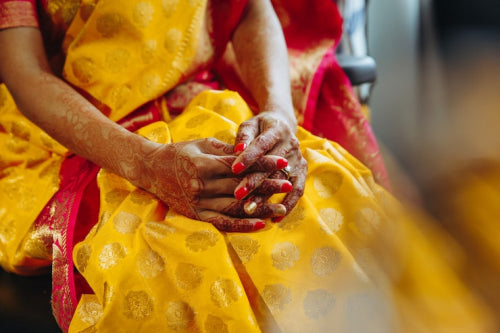
India's handloom sector forms a vital part of rural economies, preserving ancient weaving traditions while providing livelihoods to millions of artisans, particularly in village clusters across the country. Government schemes play a crucial role in supporting these communities by addressing challenges related to raw materials, skills, infrastructure, and market access. These initiatives help weavers sustain their craft, improve incomes, and connect with contemporary consumers who value authentic, handcrafted products.
Fast fashion erodes cultural heritage, sidelining artisans and reducing traditions to trends. At IndieHaat, we champion India's craftspeople with handcrafted sarees, apparel, décor, and skincare rooted in authenticity. Each piece embodies skill and ethical care. Support artisans and preserve India's timeless legacy Shop Now!
National Handloom Development Programme: A Cornerstone for Rural Empowerment
The National Handloom Development Programme serves as a cornerstone for empowering handloom communities in rural India by providing comprehensive support tailored to the needs of weavers both within and outside formal clusters. This initiative focuses on holistic development through skill upgradation training, access to quality raw materials at subsidized rates, technology upgrades for looms and accessories, and product design innovation that aligns with contemporary market demands while preserving traditional techniques. Weavers benefit from marketing assistance including participation in exhibitions, urban haats, and e-commerce platforms, which help bridge the gap between rural artisans and urban consumers. Financial incentives such as concessional credit under the Weaver MUDRA scheme, infrastructure development for common facility centers, and direct benefit transfers for tools and worksheds enhance productivity and income levels.
By fostering self-reliant producer groups, self-help groups, and cooperatives, the program strengthens the socio-economic fabric of rural areas where over 70% of handloom activity occurs, particularly empowering women who constitute a significant portion of the workforce. These efforts not only sustain cultural heritage but also contribute to poverty alleviation, employment generation, and sustainable livelihoods across diverse regions, enabling artisans to compete effectively in domestic and international markets while maintaining eco-friendly practices.
Marketing Assistance and Market Linkages
One of the programme's key strengths lies in its marketing support. Weavers gain opportunities to participate in exhibitions, urban haats, and e-commerce platforms. These efforts help bridge the gap between rural artisans and urban buyers, enabling direct connections that improve visibility and sales potential for handmade apparel, home décor, and accessories.
Financial incentives such as concessional credit under the Weaver MUDRA scheme, along with infrastructure development for common facility centres, further strengthen the ecosystem. Direct benefit transfers for tools and worksheds enhance productivity, allowing artisans to focus on quality craftsmanship rather than basic operational hurdles.
Raw Material Supply Scheme: Ensuring Consistent Quality and Affordability
Complementing broader development efforts, the Raw Material Supply Scheme ensures handloom weavers in rural India have reliable access to quality yarns at mill gate prices, significantly reducing input costs and improving profitability. By providing transport subsidies and price support on hank yarn including cotton, silk, and wool, the program mitigates supply chain vulnerabilities that often plague remote artisan clusters. This support integrates with broader efforts under the National Handloom Development Programme to promote cluster development, technology adoption, and market linkages.
Weavers can focus on creative production rather than struggling with material procurement, leading to consistent output and better quality fabrics that appeal to conscious consumers. The scheme benefits self-help groups, cooperatives, and individual artisans alike, strengthening community-based enterprises in villages where handloom is a vital livelihood source. Enhanced availability of diverse yarns encourages experimentation with designs and products, aiding diversification into home textiles, apparel, and accessories. Overall, it contributes to economic empowerment, higher household incomes, and the preservation of generational skills by making traditional crafts more viable in today's competitive landscape, while aligning with goals of rural employment and cultural sustainability.
Community-Based Organisations and Women Empowerment
These schemes actively promote the formation of self-reliant producer groups, self-help groups, and cooperatives. This community-centric approach strengthens collective bargaining power and fosters shared resources in regions where handloom activity is concentrated.
Women constitute a significant portion of the handloom workforce. The initiatives contribute meaningfully to their economic empowerment by improving access to training, credit, and markets. Such support helps generate stable household incomes and promotes gender-inclusive growth in rural economies.
Technology Adoption and Skill Enhancement
Government efforts emphasise technology upgrades and skill development tailored to the needs of traditional weavers. Training programmes help artisans adopt improved tools and techniques without losing the essence of their generational crafts. This balance enables higher productivity while maintaining the unique character of Indian handlooms.
Design innovation support allows weavers to blend heritage patterns with modern aesthetics, making their products relevant for both domestic and international appreciation. The result is better quality fabrics and finished goods that meet evolving consumer expectations for authenticity and craftsmanship.
Impact on Sustainable Livelihoods and Cultural Preservation
By fostering self-sustaining enterprises in rural areas, these schemes contribute to poverty alleviation, employment generation, and long-term cultural sustainability. Artisans are better equipped to preserve traditional knowledge while adapting to contemporary demands, ensuring the handloom sector remains vibrant for future generations.
The eco-friendly nature of handloom production aligns well with growing interest in sustainable fashion. Consumers who prioritise ethical sourcing and cultural value find greater confidence knowing that structured government support helps maintain high standards and fair practices within artisan communities.
Opportunities for Conscious Consumers and Brands
For socially conscious consumers, students, researchers, and sustainable fashion advocates, understanding these schemes highlights the ecosystem that supports India's handloom heritage. Platforms that curate authentic artisan-made products play an important role in amplifying the reach of such government-backed efforts, creating meaningful connections between weavers and buyers.
By choosing handcrafted items from supported communities, individuals contribute directly to rural development and the continuation of living cultural traditions. This awareness encourages more informed purchasing decisions that value both craftsmanship and the people behind every piece.
In summary, government schemes like the National Handloom Development Programme and the Raw Material Supply Scheme provide essential scaffolding for India's rural handloom communities. They address practical challenges while nurturing the cultural and economic fabric that makes Indian handcrafts unique. As interest in authentic, artisan-made goods continues to grow, these initiatives ensure that traditional weaving thrives as a sustainable livelihood and a source of national pride.
Frequently Asked Questions
How does the Raw Material Supply Scheme benefit handloom artisans and weaver communities?
The Raw Material Supply Scheme ensures that handloom weavers receive yarn such as cotton, silk, and wool at mill gate prices, reducing production costs. It also offers transport subsidies and price support, which helps artisans in remote rural areas access essential materials affordably. By improving the availability and affordability of raw materials, the scheme enhances productivity and product quality. This allows weavers to focus more on craftsmanship while improving their overall profitability.
How do government schemes empower women and improve livelihoods in India's handloom sector?
Government handloom schemes play a significant role in empowering women, who make up a large portion of the weaving workforce in rural India. They provide access to training, credit facilities, and cooperative-based support systems that strengthen economic independence. These initiatives also promote self-help groups and producer organizations, improving collective bargaining power and market access. As a result, they contribute to sustainable livelihoods, poverty reduction, and inclusive rural development.
What is the National Handloom Development Programme and how does it support rural handloom weavers in India?
The National Handloom Development Programme is a key government scheme designed to empower handloom communities in rural India. It provides skill development training, access to quality raw materials, technology upgrades, and design innovation support. The programme also strengthens marketing opportunities through exhibitions, e-commerce platforms, and urban haats, helping weavers reach wider markets. Additionally, financial assistance and credit support improve income stability and long-term sustainability for artisan families.
Disclaimer: The above helpful resources content contains personal opinions and experiences. The information provided is for general knowledge and does not constitute professional advice.
You may also be interested in: The Economic Impact of Indias Handicraft Sector in Rural
Fast fashion erodes cultural heritage, sidelining artisans and reducing traditions to trends. At IndieHaat, we champion India's craftspeople with handcrafted sarees, apparel, décor, and skincare rooted in authenticity. Each piece embodies skill and ethical care. Support artisans and preserve India's timeless legacy Shop Now!
Powered by flareAI.co