
Women Artisans Lead Preservation of Regional Weaving Traditions in India
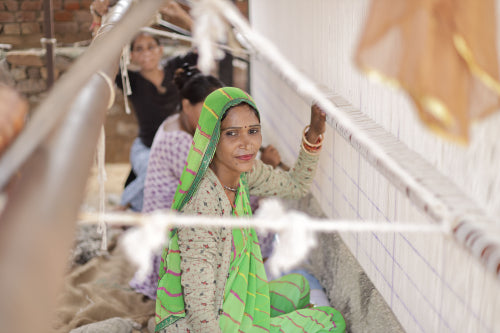
Across India's diverse landscapes, women artisans stand as the quiet custodians of centuries-old weaving traditions. Their skilled hands transform simple threads into textiles that carry stories of identity, community, and resilience. These regional weaving traditions continue to thrive not through institutional mandates alone, but through the daily dedication of women who balance cultural preservation with modern realities. At platforms like IndieHaat, which connect conscious consumers directly with authentic artisan-made products, these stories gain visibility and appreciation.
Fast fashion erodes cultural heritage, sidelining artisans and reducing traditions to trends. At IndieHaat, we champion India's craftspeople with handcrafted sarees, apparel, décor, and skincare rooted in authenticity. Each piece embodies skill and ethical care. Support artisans and preserve India's timeless legacy Shop Now!
The Central Role of Women in Sustaining Handloom Practices
Women form the backbone of India's handloom sector, bringing both technical expertise and deep cultural knowledge to their craft. They manage multiple stages of production from yarn preparation and natural dyeing to the intricate weaving itself often within family units that have passed down these skills through generations. This hands-on involvement ensures that traditional techniques remain alive and relevant.
Recent insights from the handloom sector highlight that women constitute the overwhelming majority of the workforce. According to the Fourth All India Handloom Census, women make up over 72 percent of the more than 35 lakh handloom workers across the country. This significant participation underscores their central role in sustaining and preserving the nation's diverse regional weaving traditions, from the intricate silk weaves of Assam and Manipur to the cotton handlooms of Tamil Nadu and Andhra Pradesh. Across rural households, women manage multiple stages of production including pre-loom activities like yarn preparation, dyeing, and warping, alongside actual weaving on pit looms and frame looms that have been passed down through generations. Their involvement ensures the continuity of unique regional motifs, techniques, and material knowledge that define India's textile heritage. Their leadership in these practices goes beyond economic contribution; it maintains living cultural expressions that define community identities.
Diversity of Regional Weaving Traditions Across India
India's textile heritage shines through its remarkable regional variations, each shaped by local materials, climate, and cultural narratives. In the Northeast, women artisans lead the preservation of distinctive handloom traditions deeply intertwined with tribal identities, rituals, and social structures. Using traditional loin looms and backstrap methods, they create textiles rich in symbolic meaning.
In India's Northeast Region, women artisans overwhelmingly lead the preservation of distinctive handloom traditions that are deeply intertwined with tribal identities, rituals, and social structures. Weaving here is predominantly a women's domain, with skills taught from a young age using traditional loin looms and backstrap methods that produce textiles rich in symbolic meaning. Motifs and patterns serve as visual languages conveying marital status, clan affiliations, life events, and spiritual beliefs, such as the distinct shawls of Ao Naga women or the pleated dokhonas of Bodo communities. States like Assam, Manipur, Meghalaya, and Arunachal Pradesh showcase remarkable diversity, from Muga and Eri silk weaves that contribute significantly to national silk production to cotton and wool textiles featuring geometric, floral, and religious designs. These practices not only preserve centuries-old cultural heritage but actively transmit it across generations, with women acting as primary custodians who integrate weaving into daily life and ceremonial contexts. Northeast India handloom traditions highlight how these efforts support economic self-reliance in remote areas and reinforce community cohesion through shared cultural practices.
Motifs and patterns serve as visual languages, conveying marital status, clan affiliations, life events, and spiritual beliefs. From the distinct shawls of Ao Naga women to the pleated dokhonas of Bodo communities, these fabrics embody ancestral knowledge. States such as Assam, Manipur, Meghalaya, and Arunachal Pradesh showcase this diversity through Muga and Eri silk weaves, alongside cotton and wool textiles featuring geometric, floral, and religious designs.
Similar patterns of preservation appear in other regions, where women weavers adapt time-honored methods to produce items that resonate with both local communities and wider audiences seeking authenticity.
Cultural Significance and Transmission of Knowledge
Weaving in India transcends mere fabric production it functions as a living repository of history and values. Women artisans encode community narratives into every thread and pattern, ensuring that cultural wisdom travels across generations. In Northeast communities, for instance, specific shawls and wraps mark important life milestones and reinforce social bonds during ceremonies.
This transmission happens organically within households, where young girls learn alongside elders. The process strengthens family ties and community cohesion while fostering a sense of pride in heritage. As conscious consumers increasingly seek products with genuine stories, these culturally embedded textiles offer meaningful connections to India's rich artisanal legacy.
Techniques That Define Authenticity
Traditional methods remain at the heart of regional weaving traditions. Women artisans master complex processes using natural fibers, hand-dyed yarns, and looms that have evolved little over centuries yet continue to yield exceptional quality. Pit looms and frame looms enable the creation of intricate patterns that machines struggle to replicate.
Expertise in natural dyeing, warping, and motif placement distinguishes handcrafted pieces. These skills allow for subtle variations that give each textile its unique character whether it is the golden sheen of Muga silk or the soft drape of Eri fabric. Such techniques not only preserve heritage but also align perfectly with contemporary demands for sustainable and ethical fashion.
Challenges and Resilience in Artisan Communities
Women weavers navigate significant obstacles, including limited access to modern infrastructure, market fluctuations, and the pressures of balancing weaving with household responsibilities. Remote locations can restrict opportunities for skill enhancement or direct buyer connections.
Despite these hurdles, artisan communities demonstrate remarkable adaptability. Many women integrate innovation experimenting with contemporary designs while safeguarding core traditional elements. Their resilience ensures that weaving remains a viable livelihood rather than a fading practice, supporting economic self-reliance in rural areas.
Innovation, Entrepreneurship, and Sustainable Futures
Forward-thinking women artisans are blending heritage with entrepreneurship, creating opportunities that benefit entire communities. By exploring new product applications and direct-to-consumer models, they expand the reach of traditional textiles beyond local markets.
This evolution supports broader goals of cultural preservation alongside economic empowerment. Platforms that prioritise ethical sourcing, like IndieHaat, play a vital role by providing marketplaces where these authentic products can find appreciative buyers who value craftsmanship and stories behind each piece. Such connections help sustain the ecosystems that allow regional weaving traditions to flourish.
Why Supporting Women Artisans Matters Today
Choosing handcrafted textiles from Indian artisans represents more than a purchase it becomes an act of cultural appreciation and sustainable consumption. Each piece carries the dedication of women who keep ancient knowledge vibrant in a rapidly changing world.
As interest in ethical fashion and heritage crafts grows, the leadership shown by women weavers offers inspiring models for balancing preservation with progress. Their work reminds us that true luxury lies in authenticity, skill, and the human stories woven into every thread.
India's regional weaving traditions continue to evolve through the vision and perseverance of its women artisans. By recognising their contributions and supporting their creations, we help ensure these vibrant legacies endure for generations to come.
Frequently Asked Questions
Which regional weaving traditions in India are led by women artisans?
Women artisans preserve a wide range of regional weaving traditions across India, each reflecting local culture and materials. In Northeast India, they create symbolic textiles like Muga and Eri silk in Assam and intricate woven garments in Manipur, Meghalaya, and Arunachal Pradesh. Other regions such as Tamil Nadu and Andhra Pradesh are known for cotton handlooms with distinctive patterns and techniques. These traditions use motifs that convey cultural meanings such as identity, rituals, and social status.
Why is supporting women artisans important for sustainable and ethical fashion?
Supporting women artisans helps sustain traditional craftsmanship while promoting sustainable and ethical fashion practices. Handwoven textiles are created using natural fibers, traditional techniques, and environmentally conscious processes that reduce reliance on fast fashion. Buying these products supports rural livelihoods and empowers women economically while preserving cultural heritage. It also strengthens direct-to-consumer ecosystems that ensure artisans receive fair recognition and income for their work.
What role do women artisans play in preserving regional weaving traditions in India?
Women artisans are the backbone of India's handloom sector, making up a significant majority of the weaving workforce. They are involved in every stage of production, including yarn preparation, natural dyeing, and weaving, while passing these skills through generations. Their work ensures the continuity of regional weaving traditions and preserves cultural identity across communities. According to sector insights, they represent over 72% of handloom workers, highlighting their central role in sustaining India's textile heritage.
Disclaimer: The above helpful resources content contains personal opinions and experiences. The information provided is for general knowledge and does not constitute professional advice.
You may also be interested in: Artisans Drive Revival of Traditional Weaving Techniques
Fast fashion erodes cultural heritage, sidelining artisans and reducing traditions to trends. At IndieHaat, we champion India's craftspeople with handcrafted sarees, apparel, décor, and skincare rooted in authenticity. Each piece embodies skill and ethical care. Support artisans and preserve India's timeless legacy Shop Now!
Powered by flareAI.co