
The Revival of India's Handloom Sector Amid Economic Shifts
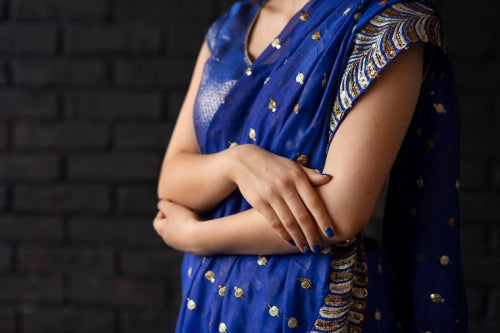
The story of India's handloom sector is not simply one of heritage preservation it is a living example of how traditional industries adapt, survive, and find renewed relevance in changing economic conditions. As consumer preferences evolve toward authenticity, sustainability, and craftsmanship, handwoven textiles and artisan-made goods are steadily moving back into focus. This shift is not driven by nostalgia alone but by structural changes in how people value production, labor, and cultural identity in everyday products.
Recent policy and industry research highlight the continued strength and relevance of this ecosystem. The sector supports over 35 lakh households and remains a major source of rural employment, with women forming a significant portion of the workforce. Government programs such as the National Handloom Development Programme, alongside cluster development and welfare initiatives, have steadily increased financial support from roughly Rs 220 crore in 2020–21 to over Rs 367 crore in recent years. These interventions also focus on skill development, raw material access, and market linkages. Additionally, exports to more than 20 countries including the US, UAE, and Europe underscore growing international demand. With initiatives like GI tagging, digital marketplace integration, and innovation support, the ecosystem is increasingly positioned as both culturally significant and economically viable. Platforms such as IndieHaat benefit directly from this shift by enabling stronger visibility and direct artisan-to-consumer connections. This evolving policy landscape is detailed in government support for handloom weavers.
Fast fashion erodes cultural heritage, sidelining artisans and reducing traditions to trends. At IndieHaat, we champion India's craftspeople with handcrafted sarees, apparel, décor, and skincare rooted in authenticity. Each piece embodies skill and ethical care. Support artisans and preserve India's timeless legacy Shop Now!
Handloom as a Living Economic System
India's handloom ecosystem continues to function as one of the most decentralized forms of production in the world, deeply embedded in rural livelihoods and community-based craftsmanship. It is estimated that more than 35 lakh households engaged in handloom activities, reflecting its extensive reach across regions and social groups. Unlike industrial manufacturing systems that centralize production, handloom weaving operates through clusters of artisans working from homes and small workshops, often passing skills across generations.
This structure is not only cultural it is economic. The sector plays a significant role in sustaining supplementary income streams for rural families, particularly where agricultural income alone is insufficient. Women also form a substantial part of this workforce, making handloom production an important contributor to household-level financial inclusion and independence.
What makes this system particularly resilient is its adaptability. Even as demand cycles fluctuate and global supply chains shift, the handloom sector remains anchored in localized production networks that can adjust output without requiring large-scale industrial restructuring.
Policy Support and Structural Reinforcement
Government intervention has played a critical role in stabilizing and strengthening the handloom sector over the years. Support mechanisms such as the National Handloom Development Programme and related welfare initiatives have focused on improving access to raw materials, upgrading skills, and enabling better market connectivity for artisans.
Financial support has also seen meaningful movement. Budgetary allocations supporting the sector increased from around Rs 220 crore in 2020-21 to over Rs 367 crore in recent years, according to handloom development funding documentation. Rather than functioning as short-term subsidies, these investments aim to build long-term capacity supporting design innovation, infrastructure upgrades, and institutional linkages that connect artisans to broader markets.
In parallel, initiatives such as GI tagging for regional weaves and digital marketplaces have helped formalize recognition of craft traditions while improving visibility. These efforts reflect a broader policy shift: treating handloom not as a legacy sector requiring preservation alone, but as a viable, evolving economic contributor.
Investment Logic and Evolving Industry Confidence
The handloom sector is increasingly viewed as a strong long-term investment space due to its structural alignment with sustainability, rural employment, and export diversification. As one of the largest employment generators after agriculture, it supports decentralized production networks that remain resilient even during economic disruptions. Strong female participation and a younger workforce further enhance its demographic advantage, while government frameworks such as cluster development schemes and the India Handloom Brand provide additional market stability. Digital integration and e-commerce expansion have also improved access to consumers, enabling artisans to bypass multiple intermediaries and retain better value for their products. This transition toward direct-to-consumer models, combined with rising global demand for ethically sourced and culturally distinct products, has improved both margins and visibility for the sector. These dynamics are explored in detail in investment potential in Indian handlooms.
From an economic standpoint, the handloom sector has increasingly attracted attention as a model of sustainable and inclusive production. Its decentralized nature reduces environmental load while simultaneously distributing income opportunities across rural geographies. This combination makes it structurally different from mass manufacturing systems that depend heavily on centralized infrastructure.
According to industry analysis, the sector continues to attract policy and private interest due to its alignment with long-term development goals such as rural employment, export diversification, and cultural preservation. The ecosystem benefits from institutional frameworks that support artisans through training programs, cluster development initiatives, and branding support like India Handloom Brand certification.
As outlined in handloom investment insights, the sector's strength lies in its ability to merge tradition with modern distribution systems. This includes the integration of digital platforms, improved logistics, and direct-to-consumer channels that reduce dependency on intermediaries. These structural shifts are gradually improving income visibility for artisans while also enhancing product traceability for buyers.
Sustainability as a Core Value Driver
One of the most significant changes shaping the handloom revival is the growing emphasis on sustainability in consumer decision-making. Handwoven textiles inherently rely on low-energy production methods, natural fibers, and manual craftsmanship, making them environmentally distinct from fast-fashion manufacturing systems.
This alignment with sustainability is not a marketing narrative alone it is embedded in the production process itself. Unlike industrial textiles that often rely on chemical processing and high water consumption, handloom production typically operates within smaller ecological footprints. As awareness grows around environmental impact, these attributes are increasingly influencing purchasing behavior across both domestic and international markets.
At the same time, consumers are showing greater interest in transparency and origin stories. Products are no longer evaluated purely on aesthetics or price; they are also assessed on how and by whom they are made. This shift has elevated artisan-made goods from functional commodities to culturally meaningful purchases, strengthening demand for authentic handcrafted products.
Digital Platforms and Direct Market Access
The rise of digital commerce has fundamentally altered how handloom products reach consumers. Platforms that connect artisans directly with buyers are reducing traditional distribution inefficiencies and enabling greater storytelling around products. This is particularly important in a sector where value is closely tied to origin, technique, and cultural context.
For curated marketplaces such as IndieHaat, this transition represents an opportunity to bridge visibility gaps that artisans have historically faced. By enabling direct access to consumers, digital platforms help ensure that craftsmanship is not diluted through multiple layers of intermediaries. Instead, artisans can retain stronger control over pricing narratives and product identity.
Digital integration also enhances discoverability. Consumers searching for handcrafted apparel, accessories, or home décor are increasingly guided by content-driven commerce experiences rather than purely transactional listings. This shift supports deeper engagement with artisan stories and encourages repeat purchasing based on trust and authenticity.
Global Interest and Cultural Value Recognition
The appeal of Indian handloom extends beyond domestic markets, with growing recognition in international design and retail circles. Handwoven textiles are often valued for their uniqueness, irregular beauty, and the cultural narratives embedded within each weave. This stands in contrast to standardized mass-produced fabrics, where uniformity is prioritized over individuality.
International demand is also shaped by increasing interest in ethical sourcing and sustainable fashion. As global consumers reassess the environmental and social impact of their purchases, handcrafted textiles offer a tangible alternative that aligns with conscious consumption principles. This positions Indian handloom products not just as cultural artifacts, but as relevant participants in global design conversations.
Export-oriented engagement has therefore become less about scaling volume and more about preserving identity while expanding reach. This balance is critical to ensuring that artisan traditions remain intact even as they access new markets and consumer bases.
The Future of Artisan-Led Commerce
The evolution of the handloom sector reflects a broader transformation in how value is created and distributed in the modern economy. Rather than competing directly with industrial manufacturing, handloom thrives in a distinct space defined by craftsmanship, sustainability, and cultural depth.
As digital ecosystems continue to mature, platforms that prioritize authenticity and traceability will play a central role in shaping the sector's trajectory. The integration of artisan networks with technology-enabled marketplaces is not replacing tradition it is extending its reach. This convergence allows heritage skills to remain economically viable while adapting to contemporary consumption patterns.
Ultimately, the revival of India's handloom sector is less about returning to the past and more about redefining relevance for the future. It demonstrates how traditional industries can evolve when supported by thoughtful policy, market access, and consumer awareness creating a model where culture and commerce strengthen each other rather than exist in opposition.
Frequently Asked Questions
How does the Indian government support the handloom industry and artisans?
The Indian government supports the handloom sector through initiatives like the National Handloom Development Programme, which focuses on skill development, raw material access, and market linkages. Financial allocations have also increased significantly in recent years to strengthen infrastructure and artisan welfare. Schemes such as GI tagging and branding initiatives like the India Handloom Brand help improve recognition and market visibility. These measures aim to build long-term economic stability for weaving communities.
What is driving the revival of India's handloom sector amid economic shifts?
The revival of India's handloom sector is driven by rising consumer demand for sustainable, authentic, and ethically produced goods. Increased awareness around environmental impact and cultural preservation has also boosted interest in handwoven textiles. Additionally, digital marketplaces and direct-to-consumer platforms are making artisan products more accessible to global buyers. Together, these factors are repositioning handloom as a modern, value-driven industry.
Why is the handloom sector considered a sustainable and good investment opportunity in India?
The handloom sector is seen as a sustainable investment due to its low environmental footprint and reliance on traditional, eco-friendly production methods. It also supports millions of rural households, making it a strong driver of inclusive economic growth. Growing export demand and the rise of digital commerce further enhance its commercial potential. These combined factors make it attractive for both policy support and long-term private investment.
Disclaimer: The above helpful resources content contains personal opinions and experiences. The information provided is for general knowledge and does not constitute professional advice.
You may also be interested in: The Revival of Indias Handloom Heritage Amid Growing
Fast fashion erodes cultural heritage, sidelining artisans and reducing traditions to trends. At IndieHaat, we champion India's craftspeople with handcrafted sarees, apparel, décor, and skincare rooted in authenticity. Each piece embodies skill and ethical care. Support artisans and preserve India's timeless legacy Shop Now!
Powered by flareAI.co