Saree Trends of 2026: What Women Are Choosing This Year
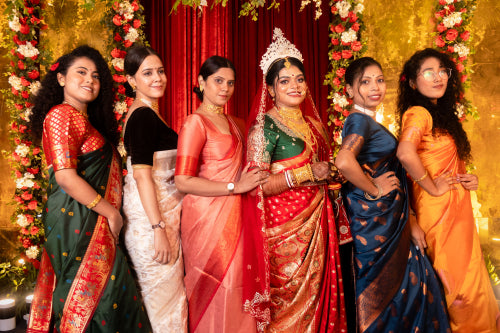
The saree in 2026 is no longer just a symbol of tradition it has become a living expression of personal identity, comfort, and conscious style. Across wardrobes that balance professional life, cultural celebrations, and everyday wear, women are increasingly choosing sarees that feel lighter, more versatile, and easier to style without losing their cultural essence. This shift is not about abandoning heritage, but about reinterpreting it for modern rhythms of life.
What makes this evolution especially interesting is how design, fabric innovation, and consumer awareness are converging. From breathable handlooms to reimagined drapes and sustainable dyeing techniques, sarees are adapting to new expectations while staying rooted in centuries-old craftsmanship.
Fast fashion erodes cultural heritage, sidelining artisans and reducing traditions to trends. At IndieHaat, we champion India's craftspeople with handcrafted sarees, apparel, décor, and skincare rooted in authenticity. Each piece embodies skill and ethical care. Support artisans and preserve India's timeless legacy Shop Now!
The evolving saree wardrobe mindset in 2026
One of the most notable changes shaping saree preferences today is the mindset shift from occasion-based wearing to lifestyle-based wearing. Instead of reserving sarees only for weddings or festivals, many women now see them as flexible wardrobe pieces that can transition between formal meetings, cultural events, and casual gatherings.
This change is being driven by a broader preference for comfort and practicality. Modern saree buyers are less interested in heavy ornamentation and more focused on drape quality, fabric feel, and versatility. Lightweight textiles, softer palettes, and minimal detailing are becoming defining characteristics of contemporary saree design.
At the same time, traditional craftsmanship remains central. Buyers are not moving away from heritage weaves; instead, they are seeking versions that align with today's pace of life. This balance between authenticity and usability is shaping every major design direction in the category.
Lightweight fabrics and comfort-first design
Fabric innovation is one of the strongest drivers of saree evolution in 2026. Materials like cotton, linen, organza, and tissue are increasingly favored for their breathability and ease of movement. These fabrics support long hours of wear, making sarees more practical for work environments, travel, and extended social occasions.
Designers are also experimenting with flow and structure. Instead of rigid silhouettes, sarees today often feature softer pleats, lighter borders, and fluid draping styles that reduce effort while maintaining elegance. The emphasis is on wearability without compromising visual appeal.
This shift reflects a deeper behavioral change: clothing is no longer chosen only for appearance, but also for how it performs throughout the day. As a result, sarees are being re-engineered to align with modern expectations of comfort, adaptability, and ease of styling.
Heritage weaves meet modern styling
Traditional weaving techniques continue to play a defining role in saree fashion, but their presentation has evolved significantly. Banarasi, Chanderi, Ikat, Jamdani, and Patola-inspired textiles are being reinterpreted with lighter yarns, contemporary motifs, and simplified detailing that make them more accessible for daily wear.
Styling innovation is equally important. Belted drapes, pre-stitched pleats, layered pallu arrangements, and hybrid blouse pairings are helping women integrate heritage pieces into modern wardrobes. These adaptations make handcrafted sarees more functional while preserving their artistic identity.
The result is a category that feels both rooted and relevant. Instead of being confined to ceremonial use, heritage weaves are becoming part of everyday fashion expression, especially among younger consumers who value cultural continuity with modern practicality.
In addition to these evolving styling practices, industry research highlights how strongly the saree market is expanding and adapting to changing consumer needs. The India saree market growth reflects a sector valued at USD 6.15 billion in 2025 and projected to reach USD 10.77 billion by 2034, driven by a steady 6.43% CAGR. This expansion is fueled by the coexistence of tradition and innovation, where cotton sarees remain dominant due to their 23% share and breathability, while economy-priced options account for 55% of the market, ensuring accessibility across income groups. Offline retail continues to lead with a 65% share as consumers prefer tactile evaluation of fabric and drape, even as digital platforms enhance discovery and artisan storytelling. Regional weaves like Banarasi, Chanderi, and Kanchipuram are increasingly reimagined with lighter fabrics and modern styling, reflecting how heritage and practicality are merging to shape long-term demand.
Complementing this market growth, evolving fashion perspectives show how design trends are reinforcing these shifts. According to insights on latest saree trends 2026, contemporary sarees are increasingly defined by handwoven fabrics such as Banarasi, Chanderi, organza, and linen, with a strong emphasis on comfort, versatility, and conscious production. The trend landscape is moving toward soft pastels, earthy tones, and minimalist motifs, replacing heavy embellishments with refined elegance suitable for both everyday and festive wear. Designers are also embracing innovative draping styles like belted and layered silhouettes, making traditional textiles more adaptable to modern lifestyles. Sustainability plays a central role, with rising demand for natural dyes, ethical sourcing, and handloom processes that support artisan communities. Together, these shifts position sarees as meaningful, long-lasting wardrobe investments that blend cultural heritage with modern aesthetic and functional expectations.
Sustainability and conscious fashion choices
Sustainability has moved from a niche preference to a central expectation in saree selection. Buyers are increasingly drawn to natural dyes, handloom production, and ethically sourced textiles that support artisan communities. This reflects a broader shift toward mindful consumption and long-term wardrobe value.
Rather than fast-changing seasonal trends, many consumers are now investing in pieces that last longer, age beautifully, and carry cultural significance. Handcrafted sarees, in particular, are being seen as meaningful alternatives to mass-produced fashion.
Artisan-driven production also strengthens the connection between the wearer and the maker. Each saree becomes more than a garment it becomes a representation of skill, tradition, and regional identity, which adds emotional depth to the purchasing decision.
Market signals shaping saree demand
The saree category continues to show steady structural growth, supported by both tradition and evolving consumer preferences. The India saree market reflects this duality, with a current valuation of USD 6.15 billion in 2025 projected to reach USD 10.77 billion by 2034, indicating sustained demand across segments.
Within this ecosystem, cotton remains a dominant fabric choice, accounting for 23% of overall preference due to its breathability and suitability for varied climates. Meanwhile, economy-priced sarees hold a 55% share, highlighting how accessibility continues to be a key driver of adoption across diverse consumer groups.
Another important behavioral insight is the continued strength of offline retail, which accounts for 65% of purchases. Despite digital growth, many buyers still prefer physically experiencing drape, texture, and fabric quality before making a decision, especially for handcrafted or occasion-based sarees.
These signals suggest a category that is expanding not only through premiumization but also through accessibility and tactile buying preferences, reinforcing the saree's unique position in fashion consumption patterns.
Digital discovery and changing buying behavior
While offline shopping remains important, digital platforms are increasingly shaping how consumers discover sarees. Social media, curated marketplaces, and artisan-led storytelling are helping buyers connect more directly with craftsmanship and design narratives.
This digital layer is not replacing traditional retail but enhancing it. Many consumers now research online before purchasing offline, comparing styles, understanding fabric types, and exploring artisan stories before making final decisions in-store.
The result is a hybrid buying journey where inspiration begins digitally and often concludes physically. This blend is helping smaller artisan brands gain visibility while also expanding consumer awareness of regional textile diversity.
What these trends mean for modern wardrobes
The saree trends of 2026 reflect a broader transformation in how fashion is experienced. Instead of being defined by occasion or tradition alone, sarees are now shaped by lifestyle needs, sustainability values, and personal expression.
Women are choosing sarees that align with real-world usage lightweight fabrics for long days, versatile drapes for multiple settings, and handcrafted details that carry meaning beyond aesthetics. This makes the saree not just a garment, but a flexible design language that adapts to contemporary life.
As this evolution continues, the saree's relevance remains firmly intact. What is changing is not its cultural significance, but the way it is worn, styled, and integrated into modern wardrobes that value both heritage and functionality.
In this balance between tradition and transformation lies the future of saree fashion one that honors craftsmanship while embracing the realities of how women live, work, and express themselves today.
Frequently Asked Questions
What are the top saree trends in 2026?
The top saree trends in 2026 focus on lightweight fabrics, comfort-first designs, and a blend of tradition with modern styling. Women are increasingly choosing sarees that can be worn across work, casual, and festive occasions. Minimalist aesthetics, soft palettes, and versatile draping styles like belted or pre-stitched pleats are also defining this shift.
How is sustainability shaping saree fashion in 2026?
Sustainability is a major influence in saree fashion trends for 2026, with growing demand for handloom textiles, natural dyes, and ethical production practices. Consumers are prioritizing long-lasting garments that support artisan communities and preserve traditional craftsmanship. This shift reflects a move toward mindful, conscious fashion choices over fast fashion trends.
Which fabrics are most popular in saree trends 2026?
In 2026, popular saree fabrics include cotton, linen, organza, tissue, and other breathable materials. These fabrics are preferred for their comfort, ease of movement, and suitability for long hours of wear. They also allow designers to create elegant yet practical sarees for both everyday and occasion-based use.
Disclaimer: The above helpful resources content contains personal opinions and experiences. The information provided is for general knowledge and does not constitute professional advice.
You may also be interested in: Why Consumers Are Choosing Artisan Pieces Over Fast Fashion
Fast fashion erodes cultural heritage, sidelining artisans and reducing traditions to trends. At IndieHaat, we champion India's craftspeople with handcrafted sarees, apparel, décor, and skincare rooted in authenticity. Each piece embodies skill and ethical care. Support artisans and preserve India's timeless legacy Shop Now!
Powered by flareAI.co