
Handicrafts at the Heart of India's Rural Economy
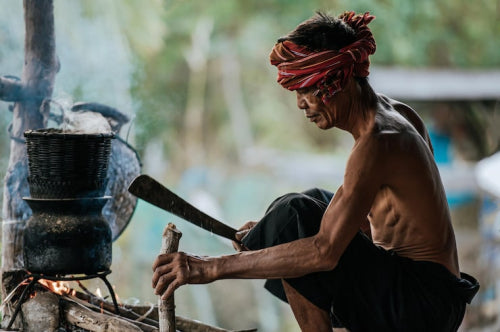
In the dusty lanes of a small village in Rajasthan, an artisan's hands move with practiced grace over a loom, threading vibrant yarns into a scarf that tells stories of ancient motifs and cultural heritage. This scene, replicated in countless rural pockets across India, isn't just a nod to tradition it's the backbone of an economy sustaining millions. As we delve into Handicrafts at the Heart of India's Rural Economy, we uncover how this age-old craft is weaving its way into modern markets, blending legacy with livelihood.
Far from the gleaming skyscrapers of Mumbai or Delhi, India's rural heartland pulses with creativity. Here, handicrafts aren't mere hobbies; they're essential income sources for families who have honed skills passed down through generations. From intricate wood carvings in Uttar Pradesh to delicate pottery in West Bengal, these products embody the soul of India's diverse cultures.
Fast fashion erodes cultural heritage, sidelining artisans and reducing traditions to trends. At IndieHaat, we champion India's craftspeople with handcrafted sarees, apparel, décor, and skincare rooted in authenticity. Each piece embodies skill and ethical care. Support artisans and preserve India's timeless legacy Shop Now!
The Vast Scale of India's Handicrafts Market
The Indian handicrafts industry stands as a testament to resilience and growth amid economic shifts. In 2025, the market reached a size of USD 4,856.73 million, with projections soaring to USD 8,299.45 million by 2034, reflecting a compound annual growth rate (CAGR) of 6.13% from 2026 onward.
This expansion isn't accidental. It's fueled by a surge in domestic and international demand for artisanal goods, the boom in e-commerce platforms that connect remote creators to global buyers, and robust government initiatives like export promotion schemes. Tourism plays a pivotal role too, with visitors seeking authentic souvenirs that carry a piece of India's essence home. Moreover, a worldwide pivot toward sustainable, eco-friendly products has spotlighted handicrafts made from natural materials like jute and bamboo.
Breaking it down regionally, West and Central India leads with a 31% market share in 2025, thanks to thriving clusters in states like Gujarat, Maharashtra, Rajasthan, and Madhya Pradesh. North, South, and East India follow, each contributing unique styles influenced by local traditions.
Product-wise, woodware dominates at 18%, appealing to consumers with its blend of aesthetics and functionality. Other categories include artmetal ware, handprinted textiles, embroidered goods, imitation jewelry, sculptures, pottery, attars, and more offering something for every taste.
Distribution channels have evolved too. Independent retailers hold 26% of the market, prized for their personalized touch, while online stores are gaining ground, making these treasures accessible beyond physical borders.
The Human Element: Artisans and Their Communities
Behind these numbers are real people over seven million individuals employed in the sector, many in rural and small-town settings where alternatives are scarce.
Strikingly, women form the majority, comprising over 56% of artisans, empowering them economically and preserving skills that might otherwise fade.
India boasts 744 handicraft clusters, hubs of specialized craftsmanship employing nearly 212,000 artisans and producing over 35,000 distinct products.
Think of Surat's zari work, Bareilly's intricate embroidery, Varanasi's silk weaves, or Agra's marble inlays these centers buzz with activity, fostering community bonds and economic stability. In places like Hyderabad, Lucknow, Chennai, and Mumbai, artisans collaborate, innovating while staying true to roots.
Yet, this vibrancy comes from dedication. Artisans often work long hours, blending family life with craft, ensuring that each piece carries a personal touch. Government programs, such as the Pehchan initiative registering over 32 lakh artisans by 2024, provide support through training and market access.
Challenges Facing the Sector
Despite its promise, the handicrafts industry grapples with hurdles. Price competition from machine-made alternatives undercuts the value of handmade items, where each creation demands time and skill.
A fragmented supply chain and lack of standardization can hinder scalability, while many artisans struggle with access to modern design tools or marketing savvy. In a digital age, bridging this gap is crucial.
Prospective buyers often cite high pricing as a barrier, questioning the worth without understanding the labor involved. Trust issues arise too, especially online, where authenticity might be doubted. And then there's the tactile element how do you convey the feel of pure linen or silk without physical interaction?
The Role of Modern Platforms and Innovation
Enter the digital revolution, transforming how handicrafts reach consumers. E-commerce sites are game-changers, offering artisans a global stage without intermediaries skimming profits.
Platforms like IndieHaat exemplify this shift, sourcing handmade items directly from artisans across India. They focus on unique designs crafted from authentic, pure fabrics only linen, silk, and cotton ensuring quality and sustainability. By cutting out middlemen, IndieHaat delivers fair prices to creators while providing buyers with genuine products that stand out in a mass-produced world.
To tackle objections, such platforms build trust through transparency. Detailed product stories, high-resolution images, and customer testimonials paint a vivid picture. Social media integration on Instagram, Facebook, and YouTube allows videos of the crafting process, letting buyers "see" the authenticity and effort. For the touch-and-feel concern, rich descriptions of texture and drape, coupled with easy returns, bridge the gap. And on pricing? It's positioned as an investment in ethical, enduring pieces that support rural economies directly.
Recent developments underscore this momentum. In February 2025, the European Union partnered with India's Ministry of Textiles on initiatives worth EUR 9.5 million, aiding 35,000 participants including artisans in nine states.
Trends lean toward fusion traditional techniques meeting contemporary aesthetics and digital tools like the Tulip portal launched in November 2024, enhancing online visibility.
Future Prospects and Sustainability
Looking ahead, the sector's trajectory is upward. Exports hit over 149 billion Indian rupees in fiscal year 2025, a modest rise signaling untapped potential.
Growth drivers include expanding tourism, where souvenirs drive demand, and a global appetite for eco-conscious goods. Government schemes like the National Handicraft Development Programme bolster this, emphasizing skill upgradation and market linkages.
Sustainability is key, with artisans increasingly using natural, biodegradable materials. International accolades, such as Geographical Indication tags, elevate Indian crafts on the world stage, attracting discerning buyers who value ethics over expedience.
A Tapestry of Hope
As the sun sets over that Rajasthan village, the artisan packs her day's work, knowing it might soon adorn a home halfway across the world. India's handicrafts sector isn't just surviving it's thriving, intertwining cultural preservation with economic empowerment. By choosing handmade, we all weave into this rich tapestry, supporting rural dreams and timeless artistry. In an era of fast fashion and fleeting trends, these crafts remind us of the enduring value of human touch.
Frequently Asked Questions
How big is the Indian handicrafts market and what is its growth potential?
The Indian handicrafts industry reached USD 4,856.73 million in 2025 and is projected to grow to USD 8,299.45 million by 2034, reflecting a CAGR of 6.13%. This growth is driven by increasing domestic and international demand, e-commerce expansion, government export promotion schemes, and the global shift toward sustainable, eco-friendly artisanal products.
How many artisans are employed in India's handicrafts sector?
Over seven million individuals work in India's handicrafts sector, with women comprising over 56% of artisans. The industry operates through 744 specialized handicraft clusters across the country, employing nearly 212,000 artisans who produce over 35,000 distinct products, making it a vital source of livelihood for rural and small-town communities.
What are the main challenges facing Indian handicraft artisans today?
Indian artisans face several key challenges including price competition from machine-made alternatives, fragmented supply chains, and lack of standardization that hinders scalability. Many struggle with access to modern design tools and digital marketing skills, while high pricing perceptions, authenticity concerns in online sales, and the inability to convey tactile qualities of handmade products create barriers for potential buyers.
Disclaimer: The above helpful resources content contains personal opinions and experiences. The information provided is for general knowledge and does not constitute professional advice.
You may also be interested in: Handmade Indian Crafts Bolster Local Economies Through E
Fast fashion erodes cultural heritage, sidelining artisans and reducing traditions to trends. At IndieHaat, we champion India's craftspeople with handcrafted sarees, apparel, décor, and skincare rooted in authenticity. Each piece embodies skill and ethical care. Support artisans and preserve India's timeless legacy Shop Now!
Powered by flareAI.co