
Handwoven Linen Sarees: Merging Comfort with Craftsmanship
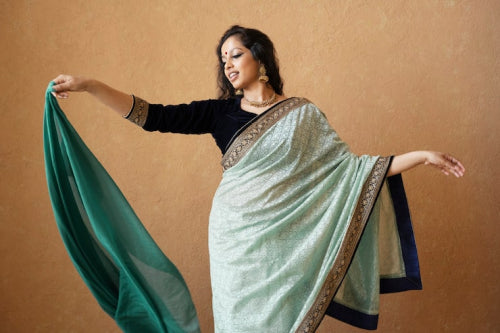
In the sweltering heat of an Indian summer or the cool comfort of an air-conditioned office in Bengaluru or Mumbai, few garments offer the perfect harmony of elegance and everyday ease like a handwoven linen saree. These timeless pieces have made a strong comeback, appealing to women who seek traditional grace paired with modern practicality. Once considered occasional wear, handwoven linen sarees have become wardrobe essentials for working professionals, homemakers, and style enthusiasts across India and global Indian communities in the US, UK, Australia, UAE, and Singapore.
As more women turn to breathable, sustainable fabrics over synthetic blends, handwoven linen sarees stand out as a thoughtful choice that honours India's rich textile heritage while meeting the demands of contemporary life.
Fast fashion erodes cultural heritage, sidelining artisans and reducing traditions to trends. At IndieHaat, we champion India's craftspeople with handcrafted sarees, apparel, décor, and skincare rooted in authenticity. Each piece embodies skill and ethical care. Support artisans and preserve India's timeless legacy Shop Now!
The Timeless Appeal of Linen in Indian Fashion
Linen, made from the flax plant, has deep roots in Indian textiles spanning centuries, though it traditionally played a supporting role to silk and cotton during festivals. Today, handwoven linen sarees are gaining fresh appreciation. They marry the fibre's natural strength and distinctive texture with the skilled artistry of Indian weavers. The fabric starts with a crisp hand that gradually softens through wear, creating a personal drape that feels uniquely yours.
Artisans from handloom clusters in West Bengal, Odisha, Tamil Nadu, and beyond apply generational expertise on traditional pit looms and frame looms. They craft sarees featuring subtle motifs, fine checks, and elegant stripes instead of heavy embellishments. This quiet sophistication connects deeply with today's buyers who prioritise authenticity and quality over showy designs.
Why Handwoven Linen Sarees Feel Like a Second Skin
The standout quality of these sarees lies in their exceptional comfort, particularly suited to India's diverse climates. Linen naturally absorbs moisture and dries quickly, making it ideal for humid conditions across the country. It promotes excellent airflow, helping the wearer stay cool during long workdays, family functions, or even bustling market visits.
A well-draped linen saree moves gracefully with the body rather than restricting it. The soft creases that form over time are now embraced as markers of genuine quality and character. Women in metro cities appreciate how these sarees shift effortlessly from morning client meetings to evening poojas or social gatherings with little fuss.
Beyond physical comfort, linen supports sustainable choices. The flax plant needs relatively less water and fewer chemicals than many other fibres, and many weaving communities follow time-tested eco-friendly methods. This resonates strongly with conscious consumers in India and abroad who want their fashion choices to reflect environmental responsibility.
The Human Craftsmanship Behind Every Saree
Visiting a handloom weaving cluster reveals the dedication poured into each piece. Weavers carefully manage yarn tension, select optimal thread weights, and weave in regional patterns that carry cultural significance. Designs range from delicate jamdani influences to bold geometric forms and traditional tribal elements, each reflecting the artisan's skill and creativity.
The true beauty of handwoven linen lies in its individuality. Minor variations in weave, colour uptake, and finishing ensure no two sarees are exactly alike. This uniqueness attracts buyers weary of identical mass-produced garments. In cosmopolitan hubs like Dubai and Singapore, these sarees serve as versatile bases for fusion styling with modern blouses and contemporary accessories.
Distinct Regional Styles to Explore
- Bengali linen sarees: Celebrated for their exceptionally soft hand and intricate buta motifs, ideal for both daily elegance and festive occasions.
- Tamil Nadu handlooms: Feature classic temple borders and a structured drape that maintains its form beautifully throughout the day.
- Odisha and Chhattisgarh varieties: Highlight tribal aesthetics and natural dyes that develop richer character with age and use.
Styling Handwoven Linen Sarees for Today's Lifestyles
The adaptability of linen sarees makes them suitable for varied settings. For professional environments, a soft beige or charcoal linen saree paired with a tailored cotton blouse creates a refined yet comfortable ensemble perfect for meetings or presentations. During cultural celebrations like Durga Puja or Eid, richer shades with subtle zari accents add graceful sophistication.
Younger women are exploring modern draping techniques such as the dhoti style for a contemporary twist or simpler front-pleated variations for casual brunches and weekend outings. Across the Indian diaspora in the US and UK, these sarees appear at multicultural weddings and festive events, offering an authentic connection to heritage that feels both elegant and approachable.
Care remains straightforward and practical. Most handwoven linen sarees respond well to gentle machine washing on delicate settings followed by shade drying. With time, the fabric gains a softer feel while preserving its strength, turning each piece into a lasting wardrobe companion rather than seasonal fashion.
Supporting Artisans and Conscious Living
Modern consumers increasingly seek fashion that aligns with their values. Choosing handwoven linen sarees directly supports weaver communities and helps sustain traditional skills that face modern pressures. Many artisans operate within cooperatives that promote fair compensation and improved livelihoods.
The broader shift towards mindful consumption in India mirrors global trends. Rising disposable incomes and urbanisation are encouraging people to invest in quality pieces for their homes and personal style. For instance, the growing preference for personalised and functional living spaces shows how consumers value thoughtful, enduring products across categories. Handwoven linen sarees fit perfectly into this mindset, offering beauty that lasts while reducing the need for frequent replacements.
Clearing Common Doubts About Linen Sarees
Some women hesitate over linen due to concerns about wrinkling or maintenance. In practice, many contemporary handwoven versions undergo pre-washing and softening treatments that reduce excessive creasing. The natural texture is increasingly viewed as an asset that adds depth and character to the garment.
Another frequent question is whether linen suits only hot weather. While it performs exceptionally in warm conditions, medium-weight options work comfortably in air-conditioned offices and homes year-round. Strategic layering with blouses or lightweight stoles extends their use into cooler evenings during winter months in northern India.
Caring for Your Handwoven Linen Saree
Simple care routines help these treasures retain their beauty for years. Fold and store them with acid-free tissue rather than hanging to prevent distortion. Keep them away from direct sunlight during drying to preserve colours. For stubborn folds, light steaming or misting with water often suffices without harming the natural fibres.
Enthusiasts recommend maintaining a small rotation of linen sarees. This practice not only prolongs the life of each piece but also allows you to enjoy the subtle differences in texture and hue across your collection, making dressing a more pleasurable daily ritual.
The Enduring Relevance of Traditional Craft
Handwoven linen sarees symbolise the harmonious blend of heritage and contemporary relevance. As interest in sustainable and meaningful fashion continues to rise, Indian weavers receive greater recognition for their expertise. Collaborations between designers and artisans are producing innovative interpretations that respect time-honoured techniques while addressing modern needs.
For the contemporary Indian woman and those who admire Indian aesthetics worldwide, these sarees provide a meaningful way to stay connected to cultural roots through practical, beautiful clothing. Whether draped for an important presentation in Hyderabad or a family Diwali gathering in London, a handwoven linen saree brings confidence born from comfort and style rooted in substance.
The quiet evolution in India's handloom sectors deserves celebration. Each saree carries forward centuries of accumulated knowledge while adapting gracefully to present-day lifestyles. Selecting handwoven linen means more than acquiring clothing it represents active participation in India's living tradition of exceptional craftsmanship.
When seeking garments that combine effortless wear with refined beauty, consider the unique offerings of handwoven linen. This thoughtful fusion of comfort and artistry may well become your preferred choice for both special occasions and daily elegance.
Frequently Asked Questions
Why are handwoven linen sarees considered comfortable for daily wear?
Handwoven linen sarees are lightweight, breathable, and moisture-absorbent, making them ideal for India's diverse climates. Their natural texture allows excellent airflow, keeping the wearer cool during long workdays or social gatherings, while the fabric softens over time for a personalized, effortless drape.
How do handwoven linen sarees support sustainable and ethical fashion?
These sarees are crafted from flax, a fiber that requires less water and fewer chemicals than many other fabrics. By purchasing handwoven linen, consumers support artisan communities, promote fair compensation, and help preserve traditional weaving techniques, contributing to both environmental responsibility and cultural heritage.
How should I care for and maintain my handwoven linen saree?
To maintain a handwoven linen saree, gently machine wash on delicate settings or hand wash, then shade dry to preserve colors and fiber strength. Light steaming or misting can smooth folds, and storing with acid-free tissue instead of hanging helps prevent distortion, ensuring long-lasting beauty and comfort.
Disclaimer: The above helpful resources content contains personal opinions and experiences. The information provided is for general knowledge and does not constitute professional advice.
You may also be interested in: Unveiling 'The Story of Patteda Anchu' - Karnataka's Cultural Treasure
Fast fashion erodes cultural heritage, sidelining artisans and reducing traditions to trends. At IndieHaat, we champion India's craftspeople with handcrafted sarees, apparel, décor, and skincare rooted in authenticity. Each piece embodies skill and ethical care. Support artisans and preserve India's timeless legacy Shop Now!
Powered by flareAI.co