
How Ethnic Wear Preserves India's Cultural Identity
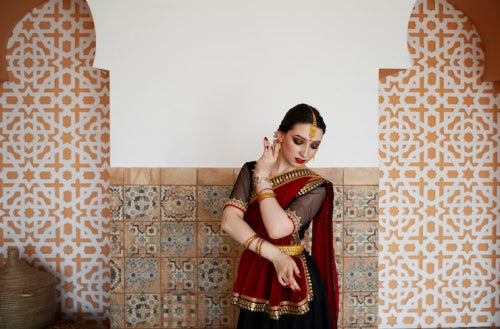
In the vibrant tapestry of Indian life, few things speak as eloquently as ethnic wear. From the graceful drape of a Banarasi silk saree at a wedding to the crisp bandhgala jacket worn during festive gatherings, traditional attire continues to anchor millions in their cultural roots. How Ethnic Wear Sustains and Celebrates India's Cultural Heritage is more than a fashion statement it is a living bridge between generations, regions, and even continents, connecting the rich legacy of Indian craftsmanship with modern aspirations.
Fast fashion erodes cultural heritage, sidelining artisans and reducing traditions to trends. At IndieHaat, we champion India's craftspeople with handcrafted sarees, apparel, décor, and skincare rooted in authenticity. Each piece embodies skill and ethical care. Support artisans and preserve India's timeless legacy Shop Now!
The Enduring Symbol of Identity
Ethnic wear has always been far more than mere clothing in India. Each garment carries stories of geography, community, and centuries-old craftsmanship. Whether it is a Phulkari dupatta from Punjab, an Ikat weave from Odisha, or a Kanjeevaram silk from Tamil Nadu, these pieces embody regional pride and historical continuity.
For Indian communities living abroad in the United States, United Kingdom, UAE, Australia, and Singapore, ethnic wear serves as a powerful link to their roots. Young professionals attending Diwali celebrations or Navratri garbas in places like New Jersey or London frequently opt for fusion kurtas and contemporary anarkalis that blend comfort with tradition. This deliberate choice helps reaffirm cultural identity in multicultural settings where preserving heritage demands conscious effort.
Revival of Traditional Craftsmanship
Across India, a strong resurgence in handloom and sustainable fabrics is underway. Artisans who once struggled with declining interest are now experiencing renewed appreciation as consumers increasingly seek authenticity instead of mass-produced options. This trend reflects deeper values respect for skilled hands, environmental awareness, and commitment to supporting local economies.
Designers today are thoughtfully reinterpreting classic silhouettes with modern sensibilities. Lightweight cotton sarees suitable for office environments and breathable linen kurtas ideal for humid Indian summers are perfect examples. These innovations ensure ethnic wear remains practical for everyday use while staying true to its origins.
Global Appeal Through Fusion Designs
Indian diaspora communities have significantly popularised fusion styles. In Singapore and Australia, university students proudly showcase Indo-Western outfits at cultural events a lehenga paired with a modern crop top or a sherwani with updated tailoring. Such adaptations allow younger generations to embrace their heritage without feeling restricted by traditional norms.
Celebrity endorsements and social media influencers continue to amplify these trends. When well-known personalities wear ethnic ensembles to prominent events, they inspire countless others to explore their wardrobes with renewed enthusiasm and creativity.
The Role of Online Marketplaces in Cultural Preservation
Digital platforms have made authentic ethnic wear accessible to a wider audience. Artisans from remote villages can now connect directly with customers across the world, helping traditional techniques not only survive but flourish. This digital connectivity strengthens the entire value chain from weavers and natural dyers to master tailors and ethical retailers.
A standout example is the e-commerce platform IndieHaat, which works dedicatedly to promote Indian artisans on the international stage. By highlighting handcrafted pieces and sharing the inspiring stories behind each creation, such platforms enable consumers to make thoughtful purchases that contribute meaningfully to cultural continuity and artisan livelihoods.
Festivals and Celebrations: Keeping Traditions Alive
Festivals form the vibrant heartbeat of ethnic wear demand in India. During Diwali, families across the country and abroad refresh their wardrobes with new outfits. Eid celebrations bring forth intricate embroidery and elegant silhouettes, while Navratri gatherings feature colourful lehengas and dandiya sticks taking centre stage in communities from Houston to Hyderabad.
Even in professional environments, cultural appreciation days in multinational offices in the UAE encourage employees to wear traditional attire. These occasions promote greater inclusion and offer colleagues a delightful window into India's incredible diversity.
Challenges in a Fast-Changing World
Despite encouraging progress, several challenges remain. Younger generations living abroad sometimes have limited familiarity with the vast diversity of India's regional textiles. The convenience and affordability of fast fashion can sometimes overshadow the true value of handcrafted garments that require weeks or even months of dedicated work.
Scaling production while upholding quality also demands careful attention. Artisans deserve fair compensation and access to modern tools, yet without losing the distinctive techniques that make their creations truly special.
Handmade Excellence in Ethnic Adornments
The deep appreciation for craftsmanship naturally extends beyond clothing into jewellery and accessories that complete traditional looks. Indian jewellery, closely intertwined with ethnic wear, continues to reflect a strong cultural preference for gold and precious stones, particularly for weddings and other important life events. Contemporary and customised designs are gaining prominence alongside cherished traditional styles.
Around the world, the handmade jewellery segment underscores the lasting appeal of skilled artisan work. Artisans employ meticulous hand techniques such as rolling, carving, and soldering to create pieces with a distinctive personal touch that no machine can replicate. Many incorporate recycled precious metals, producing unique designs that resonate with conscious consumers who prioritise both beauty and sustainability.
Why This Matters for the Future
Ethnic wear does far more than preserve the past it actively shapes how future generations understand and value their heritage. When a young woman in Melbourne selects a Patola saree for her graduation ceremony or a family in Dubai organises a traditional wedding, they participate directly in passing on cultural knowledge.
Businesses, designers, consumers, and platforms all share responsibility. By supporting genuine creators, adopting sustainable practices, and celebrating diversity through clothing, we can ensure India's extraordinary textile traditions remain dynamic and relevant for generations ahead.
Practical Ways to Engage with Ethnic Wear
- Begin modestly: Incorporate a single traditional piece into your daily wardrobe, such as a handloom kurta for work-from-home days or casual outings.
- Explore the narratives: Take time to learn about the origins and cultural significance of the garments you choose this knowledge greatly enhances appreciation.
- Support ethical creators: Opt for platforms that emphasise fair trade, transparent sourcing, and direct artisan benefits.
- Try creative fusions: Combine traditional elements with contemporary outfits to make heritage feel personal, comfortable, and relevant to modern lifestyles.
- Share the experience: Organise cultural evenings, family gatherings, or office events that encourage traditional dressing and meaningful storytelling.
- Invest in quality: Choose versatile pieces that transition seamlessly from festivals to professional settings, maximising both cultural value and practicality.
Looking Ahead with Confidence
The future of ethnic wear depends on its remarkable ability to evolve while remaining deeply rooted in tradition. As India's global influence expands, the visibility of its cultural expressions grows alongside it. What started as distinctly regional attire has transformed into a worldwide dialogue about identity, masterful craftsmanship, and mindful consumption.
By selecting ethnic wear with intention, we achieve much more than dressing well we wear our history with pride, celebrate our rich diversity, and hand over a living legacy. In an era of increasing uniformity, these threads of tradition keep India's cultural identity not only alive but beautifully flourishing and continuously inspiring.
The next time you reach for that special outfit, pause for a moment. You are not simply wearing clothes. You are carrying forward centuries of artistry, resilience, community wisdom, and enduring pride that define the Indian spirit.
Frequently Asked Questions
How does ethnic wear help preserve India's cultural heritage?
Ethnic wear acts as a living bridge between generations, regions, and communities by embodying centuries of regional craftsmanship and identity. Garments like Banarasi silk sarees, Phulkari dupattas, and Kanjeevaram silks carry stories of geography and historical continuity. For the Indian diaspora abroad, consciously choosing ethnic attire at festivals and celebrations reaffirms cultural roots in multicultural environments.
Why is handloom and sustainable ethnic wear gaining popularity in India and globally?
Consumers are increasingly seeking authenticity over mass-produced fast fashion, driving a strong resurgence in handloom fabrics and artisan-crafted garments. This shift reflects deeper values respect for skilled craftsmanship, environmental awareness, and support for local economies. Designers are also innovating with lightweight cottons and breathable linens, making traditional ethnic wear practical for everyday modern use.
How are online platforms helping Indian artisans reach a global audience?
Digital marketplaces have made it possible for artisans in remote villages to connect directly with customers worldwide, allowing traditional weaving and dyeing techniques to survive and flourish. Platforms like IndieHaat champion handcrafted pieces by sharing the stories behind each creation, enabling consumers to make purposeful purchases. This digital connectivity supports the entire value chain from weavers and natural dyers to ethical retailers ensuring cultural continuity and fair artisan livelihoods.
Disclaimer: The above helpful resources content contains personal opinions and experiences. The information provided is for general knowledge and does not constitute professional advice.
You may also be interested in: Unraveling the Rich Tapestry of Suzani Embroidery: A Central Asian Treasure
Fast fashion erodes cultural heritage, sidelining artisans and reducing traditions to trends. At IndieHaat, we champion India's craftspeople with handcrafted sarees, apparel, décor, and skincare rooted in authenticity. Each piece embodies skill and ethical care. Support artisans and preserve India's timeless legacy Shop Now!
Powered by flareAI.co