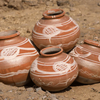
How Authentic Indian Crafts Continue to Evolve

Quick Listen:
How Authentic Indian Crafts Continue to Evolve reflects a deeper shift in how traditional skills remain meaningful in modern life. Indian crafts have never been static expressions of the past; they are living practices shaped by communities, materials, creativity, and changing cultural preferences. From handwoven textiles to decorative arts and artisan-made lifestyle products, craftsmanship continues to adapt while retaining the knowledge passed through generations.
For consumers, designers, and craft enthusiasts, understanding this evolution offers a new perspective on handmade products. Authenticity today is not only about preserving old techniques but also about recognising how artisans reinterpret heritage for contemporary needs, new audiences, and changing forms of expression.
Fast fashion erodes cultural heritage, sidelining artisans and reducing traditions to trends. At IndieHaat, we champion India's craftspeople with handcrafted sarees, apparel, décor, and skincare rooted in authenticity. Each piece embodies skill and ethical care. Support artisans and preserve India's timeless legacy Shop Now!
Traditional Indian Crafts as Living Cultural Expressions
Craft traditions carry more than aesthetic value. They represent regional identities, skilled practices, and stories created through years of community knowledge. Each handmade piece reflects decisions about materials, techniques, patterns, and methods that often connect deeply with local history.
The continued relevance of traditional crafts depends on their ability to remain connected with everyday life. While some craft forms originate from specific communities or regions, their appeal increasingly comes from how they fit into modern wardrobes, homes, and personal styles.
Efforts to protect and promote artisan traditions have focused on strengthening recognition, improving visibility, and creating better connections between makers and audiences. Initiatives supporting craft heritage highlight how preserving traditional knowledge can work alongside innovation and new opportunities for artisans. The protection of craft heritage demonstrates the importance of keeping traditional skills relevant while allowing them to reach wider markets.
How Indian Artisans Preserve Traditional Crafts While Adapting
One of the defining characteristics of Indian craftsmanship is adaptability. Artisans often balance established techniques with changing customer preferences, experimenting with designs, applications, and presentation while maintaining the essence of their craft.
This approach allows handmade products to remain relevant without losing their connection to cultural origins. A traditional weaving method, for example, can inspire contemporary apparel designs, while heritage-inspired decorative techniques can find new applications in modern homes.
The process of adaptation does not mean replacing tradition. Instead, it creates a relationship between heritage and innovation. Younger generations of artisans can continue learning established skills while exploring ways to make those skills meaningful for current audiences.
Modern Trends in Indian Handicrafts
Modern trends in Indian handicrafts reflect a growing appreciation for products with personal stories, skilled craftsmanship, and thoughtful production methods. Consumers are increasingly interested in understanding where products come from and the people behind their creation.
This shift has encouraged greater attention toward handmade quality, cultural connections, and responsible consumption. Instead of viewing crafts only as decorative objects or occasional purchases, many people now see them as expressions of identity and conscious lifestyle choices.
Digital platforms have also changed how craft communities connect with audiences. Online spaces allow artisans and craft-focused businesses to introduce traditional products to customers who may not have previously encountered these techniques. This wider visibility creates opportunities for craft traditions to continue developing through new relationships.
The Role of Innovation in the Future of Indian Craftsmanship
The future of Indian craftsmanship depends on finding a balance between preservation and progress. Crafts remain sustainable when artisans have opportunities to improve their skills, access new markets, and respond to evolving customer expectations.
Innovation can appear in many forms. It may involve experimenting with contemporary designs, combining traditional methods with modern preferences, or presenting handmade products through new storytelling approaches. The core value remains the same: maintaining the skill and creativity that make each craft unique.
Craft revival initiatives demonstrate how traditional knowledge can gain new relevance when communities receive support and opportunities to connect with broader audiences. The experience of craft communities, including those involved in preserving cultural practices in West Bengal, shows how heritage can continue through training, recognition, and sustainable livelihoods. Safeguarding artisan traditions highlights the importance of supporting living cultural practices rather than treating them as historical artifacts.
Why Authenticity Matters in Handmade Products
Authenticity has become an important factor for people choosing handmade goods. A handcrafted product offers a connection to the maker, the technique, and the cultural context behind its creation.
This connection creates a different experience from mass-produced alternatives. Buyers often value the individuality of handmade items because small variations reflect the human process involved in creating them.
For artisan-made apparel, accessories, and home décor, authenticity can also mean transparency. Consumers increasingly want to understand the craftsmanship, materials, and traditions represented by the products they bring into their lives.
Curated platforms that focus on handcrafted products help make these stories more accessible by creating pathways between artisans and customers. The emphasis is not only on the final product but also on the knowledge, creativity, and communities that support its creation.
Challenges Facing Traditional Craft Communities
Although Indian crafts continue to attract interest, artisans face ongoing challenges in maintaining traditional practices. Changing consumer expectations, competition from mass production, and the need for sustainable income can influence how craft communities operate.
Keeping craft traditions alive requires more than preserving techniques. It also involves creating environments where artisans can continue their work with confidence and where younger generations see craftsmanship as a valuable creative profession.
Another challenge is ensuring that innovation respects cultural foundations. Adaptation works best when it builds upon existing knowledge rather than separating products from the communities and histories that created them.
How Consumers Can Support the Evolution of Indian Crafts
Consumers play an important role in shaping the future of handmade products. Choosing authentic crafts encourages continued appreciation for artisan skills and helps maintain demand for traditional techniques.
Supporting craftsmanship can involve looking beyond appearance and learning about the processes behind products. Understanding the materials, methods, and cultural significance of an item creates a stronger connection between buyer and maker.
- Explore the stories and techniques behind handmade products.
- Value skilled craftsmanship rather than focusing only on price.
- Choose products that reflect cultural knowledge and creative effort.
- Share awareness about artisan traditions and their importance.
These choices help ensure that traditional crafts remain part of contemporary life. When consumers appreciate the people and skills behind handmade goods, they contribute to a craft ecosystem where heritage and innovation can exist together.
The Continuing Journey of Indian Craft Evolution
Authentic Indian crafts continue to evolve because they are shaped by people, communities, and changing perspectives. Their strength comes from the ability to preserve cultural knowledge while finding new expressions in modern contexts.
The evolution of Indian handicrafts is not about moving away from tradition. It is about allowing traditions to grow while keeping their meaning intact. As artisans explore new possibilities and audiences develop a deeper appreciation for handmade creations, Indian craftsmanship continues to remain relevant, distinctive, and connected to the future.
Frequently Asked Questions
How do authentic Indian crafts continue to evolve in modern times?
Authentic Indian crafts continue to evolve by combining traditional techniques with contemporary designs, changing consumer preferences, and new ways of reaching audiences. Artisans preserve cultural knowledge while adapting their creations for modern lifestyles, fashion, and home décor.
How do Indian artisans preserve traditional crafts while adapting to new trends?
Indian artisans preserve traditional crafts by maintaining skilled techniques while experimenting with new materials, designs, and applications. This balance allows heritage crafts to remain relevant while supporting future generations of craft communities.
Why are authentic Indian handmade crafts important for cultural heritage?
Authentic Indian handmade crafts represent the skills, stories, and cultural identities of artisan communities. Choosing handcrafted products helps maintain traditional knowledge and supports the continued connection between craftsmanship, creativity, and cultural heritage.
Disclaimer: The above helpful resources content contains personal opinions and experiences. The information provided is for general knowledge and does not constitute professional advice.
You may also be interested in: Cultural Significance of Handcrafted Textiles in Modern Fashion
Fast fashion erodes cultural heritage, sidelining artisans and reducing traditions to trends. At IndieHaat, we champion India's craftspeople with handcrafted sarees, apparel, décor, and skincare rooted in authenticity. Each piece embodies skill and ethical care. Support artisans and preserve India's timeless legacy Shop Now!
Powered by flareAI.co