
How Indias Handwoven Sarees Are Captivating Urban Millennials
Quick Listen:
In the vibrant chaos of Mumbai's markets, where modernity meets tradition, a quiet revolution is taking shape. Urban millennials, once swayed by the ephemeral allure of fast fashion, are now embracing the enduring elegance of handwoven sarees. These six yards of artistry, crafted by skilled artisans in India's rural heartlands, are no longer confined to ceremonial wardrobes. They've become a bold declaration of sustainability, cultural pride, and individuality for a generation seeking authenticity in their choices.
Fast fashion erodes cultural heritage, sidelining artisans and reducing traditions to trends. At IndieHaat, we champion India's craftspeople with handcrafted sarees, apparel, décor, and skincare rooted in authenticity. Each piece embodies skill and ethical care. Support artisans and preserve India's timeless legacy Shop Now!
A Revival Rooted in Heritage
The saree, India's quintessential garment, is a testament to centuries-old craftsmanship. From the intricate Banarasi silks of Varanasi to the vivid Bandhani tie-dyes of Gujarat, each weave narrates a story of heritage and skill. For years, urban youth gravitated toward Western attire or mass-produced garments, reserving sarees for weddings or festivals. That tide is turning. A 2024 IMARC Group report values the India saree market at USD 5.76 billion, forecasting growth to USD 10.33 billion by 2033 with a 6.70% CAGR. This surge is propelled by millennials who cherish the eco-friendly and authentic appeal of handwoven sarees.
What's driving this renaissance? A rejection of fast fashion's environmental cost is paramount. Handwoven sarees, created on traditional looms without electricity, epitomize sustainable production. Government efforts, such as the Handloom Mark and Geographical Indication tags, reinforce their authenticity while supporting artisan's livelihoods. These initiatives resonate with ethically conscious consumers. Moreover, the exclusivity of each saree distinct from the uniformity of mass-market brands captivates a generation that values uniqueness.
Redefining Tradition with Flair
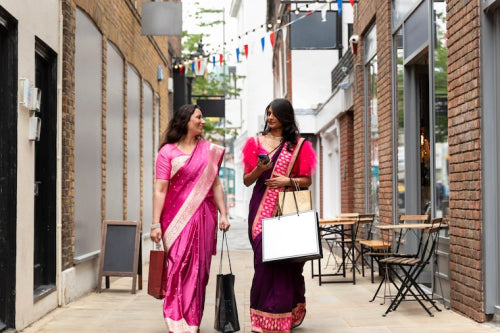
In urban hubs like Bengaluru, Delhi, and Kolkata, young professionals are reimagining saree styling with audacious creativity. Picture a Kanjeevaram silk saree paired with sneakers at an art gallery or a breezy Ikkat cotton drape over a crop top for a weekend brunch. This versatility is transformative. A 2021 Times of India feature highlighted how the pandemic's “vocal for local” ethos spurred demand for Indian weaves. Pallavi Mohadikar Patwari, founder of Pune's Karagiri, reported delivering 100,000 orders during the lockdown, underscoring this cultural shift.
Technology is a pivotal enabler. E-commerce platforms like Indiehaat bridge the gap between rural looms and urban closets, offering AI-powered customization and virtual try-on features. These tools make sarees both accessible and enticing to a digitally native generation. Social media fuels the trend Instagram videos showcasing Chanderi or Maheshwari sarees garner millions of views, inspiring followers to experiment. High-profile endorsements, such as Tara Sutaria in a Banarasi saree or Sonu Kakkar in Bandhani, solidify sarees as essential for millennial wardrobes.
Global Resonance of Indian Weaves
The allure of handwoven sarees transcends India's borders, captivating fashion enthusiasts in global cities like New York, London, and Dubai. According to Fortune Business Insights, the global handloom sarees market, valued at USD 3.72 billion in 2024, is projected to reach USD 7.29 billion by 2032, growing at a 8.99% CAGR. While Asia Pacific commands a 68.82% market share, demand is rising in the US, UK, and UAE, driven by Indian diaspora communities and global consumers seeking sustainable luxury.
In Dubai, handwoven sarees grace cultural gatherings and upscale boutiques. In London, designers fuse Indian textiles into innovative creations, such as saree-inspired evening gowns. Platforms like Indiehaat, with curated collections, simplify access for international buyers, positioning sarees as emblems of slow fashion. This global embrace counters the throwaway culture of fast fashion, offering a sustainable alternative that resonates with eco-conscious consumers worldwide.
Navigating the Challenges
Despite their rising popularity, handwoven sarees face significant obstacles. For many millennials, sarees are still perceived as traditional and impractical for daily wear. The art of draping can seem intimidating compared to the ease of Western clothing. Cost is another barrier. The labor-intensive nature of handweaving where a single Banarasi saree may take weeks to complete results in premium pricing that can strain young budgets, limiting broader adoption.
Scalability poses a further challenge. The handloom sector, valued at USD 8,869.9 million in 2025 and expected to grow to USD 19,688.0 million by 2035 at an 8.2% CAGR, according to Future Market Insights, depends on small-scale artisans. Balancing global demand with ethical production is complex. Over-commercialization threatens to erode the craft's authenticity, potentially alienating consumers who prize its cultural integrity.
Opportunities on the Horizon
The future for handwoven sarees is bright with potential. Their eco-friendly production aligns seamlessly with the global push for sustainable fashion. Collaborative ventures between designers, brands, and e-commerce platforms could elevate their presence. Envision a limited-edition handwoven saree collection by a renowned Indian designer, marketed globally through Indiehaat, merging heritage with contemporary aesthetics.
Government backing strengthens the sector's foundation. In India, programs like the Handloom Mark guarantee authenticity, while international trade fairs introduce weaves to global audiences. For millennials, education is crucial. Workshops on draping techniques or the cultural significance of weaves can demystify sarees, making them more approachable and appealing to younger consumers both in India and abroad.
A Timeless Tapestry
As twilight falls over the weaver's villages of West Bengal, the rhythmic clatter of looms carries a promise: handwoven sarees are not just surviving but thriving. They are more than garments; they are a conduit between India's rich past and its dynamic future, linking artisan's hands to global wardrobes. For urban millennials, sarees represent a rebellion against the transient and the mass-produced a way to wear history, sustainability, and identity in a single, graceful drape.
The next decade could see handwoven sarees redefine the global fashion landscape. As platforms like Indiehaat connect artisans with the world and millennials champion ethical fashion, these weaves will continue to enchant. In an era of disposable trends, the saree's enduring charm serves as a reminder: true elegance is crafted, not consumed.
Frequently Asked Questions
Why are millennials choosing handwoven sarees over fast fashion?
Urban millennials are embracing handwoven sarees as a sustainable alternative to fast fashion, drawn by their eco-friendly production on traditional looms without electricity. These artisan-crafted garments offer authentic cultural heritage and uniqueness that mass-produced clothing cannot replicate. The shift reflects a broader rejection of fast fashion's environmental impact, with the India saree market projected to nearly double from USD 5.76 billion in 2024 to USD 10.33 billion by 2033.
How are young professionals styling handwoven sarees for modern wear?
Young professionals in cities like Bengaluru, Delhi, and Kolkata are reimagining saree styling with contemporary flair, pairing Kanjeevaram silk sarees with sneakers or draping Ikkat cotton over crop tops for casual outings. Technology platforms enable this trend through AI-powered customization and virtual try-on features, while social media showcases creative styling that inspires millions. This versatility transforms sarees from ceremonial garments into everyday wear that blends tradition with modern aesthetics.
What is driving the global demand for Indian handwoven sarees?
The global handloom sarees market is experiencing significant growth, valued at USD 3.72 billion in 2024 and projected to reach USD 7.29 billion by 2032, driven by consumers seeking sustainable luxury fashion. Indian diaspora communities in cities like New York, London, and Dubai are fueling international demand, while eco-conscious global consumers embrace handwoven sarees as emblems of slow fashion. E-commerce platforms like Indiehaat are bridging the gap between rural Indian artisans and international buyers, positioning these six-yard masterpieces as sustainable alternatives to throwaway fashion culture.
Disclaimer: The above helpful resources content contains personal opinions and experiences. The information provided is for general knowledge and does not constitute professional advice.
You may also be interested in: Exploring the Global Appeal of Indian Handloom Sarees – Indiehaat
Fast fashion erodes cultural heritage, sidelining artisans and reducing traditions to trends. At IndieHaat, we champion India's craftspeople with handcrafted sarees, apparel, décor, and skincare rooted in authenticity. Each piece embodies skill and ethical care. Support artisans and preserve India's timeless legacy Shop Now!
Powered by flareAI.co