
The Handloom Comeback: Tradition Meets Modern Fashion in India
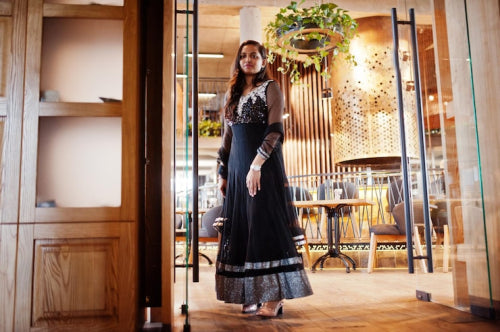
In the vibrant streets of Bangalore, a subtle yet powerful resurgence is taking shape. Ancient handlooms, once humming quietly in India's rural heartlands, are now syncing with the pulse of contemporary life. This revival marries age-old craftsmanship with a growing global appetite for genuine, sustainable goods, transforming traditional textiles into must-have elements of modern fashion and home aesthetics.
Fast fashion erodes cultural heritage, sidelining artisans and reducing traditions to trends. At IndieHaat, we champion India's craftspeople with handcrafted sarees, apparel, décor, and skincare rooted in authenticity. Each piece embodies skill and ethical care. Support artisans and preserve India's timeless legacy Shop Now!
The Timeless Foundation of India's Handloom Heritage
India's handloom industry remains one of the nation's most significant unorganized sectors, serving as a vital pillar for rural economies while safeguarding a rich cultural legacy. Artisans scattered across villages and small towns are celebrated globally for their masterful hand-spinning, weaving, and printing methods skills meticulously handed down through generations. This expansive cottage industry, the largest of its kind in the country, supports millions and embodies the essence of India's diverse artistic traditions.
Central to this world are creations steeped in authenticity: sarees, clothing, accessories, and home décor items meticulously crafted from pure natural fabrics such as linen, silk, and cotton. Curated platforms like IndieHaat champion this spirit by partnering directly with artisans, selecting only high-quality, ethically made pieces that highlight unique designs and cultural integrity setting them apart in an era dominated by mass production.
These efforts not only preserve techniques but also empower creative communities, ensuring sustainable practices endure amid rapid modernization.
Robust Growth Backed by Impressive Market Figures
The resurgence is underscored by striking market data that signals sustained expansion. On a global scale, the handloom products market stood at USD 8.32 billion in 2024, with projections to grow to USD 8.95 billion in 2025 and reach USD 16.62 billion by 2032, reflecting a compound annual growth rate (CAGR) of 9.24%. The Asia Pacific region commanded a dominant 55.77% share in 2024, propelled by entrenched cultural practices and rising demand for distinctive, eco-friendly offerings.
Within India, the saree market achieved USD 5.76 billion in 2024 and is forecasted to expand to USD 10.33 billion by 2033, advancing at a CAGR of 6.70% from 2025 to 2033. Key catalysts include heightened consumer interest in sustainable handwoven sarees, reinforced by governmental measures like Geographical Indication (GI) tags and the Handloom Mark, which assure genuineness and bolster artisan incomes.
Additionally, the broader Indian textile and apparel market was valued at USD 222.08 billion in 2024, poised to surge to USD 646.96 billion by 2033 with a strong CAGR of 11.98%. Driving forces encompass demand for premium and smart textiles, expanded government aid for weavers, and widespread adoption of ethical, sustainable materials.
Zooming in further, India's dedicated handloom product segment recorded USD 358.2 million in 2024, anticipated to climb to USD 779.71 million by 2033 at a CAGR of 9.03%, according to analyses from industry experts.
The Driving Forces Behind the Revival
What explains this timely comeback? A profound shift in consumer priorities is at play. Modern shoppers, particularly millennials and Gen Z, are moving away from fleeting fast fashion toward investments that carry meaning garments and décor infused with history, skill, and environmental responsibility.
Handloom pieces appeal precisely because they honor artisanal talent, cultural narratives, and ethical creation processes. In an age of environmental concern, their eco-friendly profile rooted in natural fibers and low-impact methods resonates deeply with conscientious buyers seeking alternatives to synthetic, factory-churned goods.
Digital transformation has accelerated this trend dramatically. The explosion of e-commerce, enhanced by innovations like AI personalization, virtual try-ons, and social commerce, has made these treasures accessible far beyond local markets. Artisans now reach international audiences in regions like the US, Singapore, Australia, the UK, and UAE through platforms such as Amazon and ONDC, as well as specialized curators.
Social media channels Instagram, Facebook, and YouTube further amplify visibility, enabling direct storytelling that builds trust and emotional connections. Celebrity influences and eco-focused branding have drawn in younger crowds, while tourism and the desire for unique souvenirs add further momentum.
Government policies play a crucial supportive role, offering subsidies, training programs, and promotional events that protect heritage while fostering economic viability.
Navigating Challenges in a Digital Era
Despite the optimism, hurdles persist. Premium pricing reflects the labor-intensive nature of handcrafting, often deterring budget-conscious consumers accustomed to cheaper alternatives. Online purchases introduce trust issues, compounded by the inability to physically examine textures and fits a common objection in e-commerce.
Curated brands counter these effectively through rigorous quality checks, transparent sourcing details, and immersive digital experiences that educate buyers on authenticity and value. By emphasizing direct artisan partnerships and limited unique designs, they justify investments while alleviating doubts.
Competition from power looms and imports remains fierce, but shifting global dynamics such as supply chain disruptions elsewhere position India favorably as retailers seek reliable, ethical sources.
Weaving a Sustainable Future
The handloom revival is more than a trend; it's a testament to resilience and adaptation. As these traditions reclaim prominence in everyday and celebratory wardrobes from elegant sarees to versatile linens they reaffirm that enduring style stems from substance.
With robust market growth, innovative digital bridges, and unwavering consumer support for sustainability, India's artisans are not merely guarding the past. They are crafting a thriving tomorrow, thread by meticulous thread, ensuring cultural riches endure for generations ahead.
This movement invites us all to participate: choosing handcrafted over generic not only elevates personal style but sustains livelihoods and preserves irreplaceable heritage. In 2025, as the looms continue their rhythmic song, the message is clear the comeback of handlooms is here to stay.
Frequently Asked Questions
Why are handloom products making a comeback in modern fashion?
Handloom products are experiencing a revival due to a significant shift in consumer priorities toward sustainable, authentic, and ethically-made goods. Modern shoppers, particularly millennials and Gen Z, are moving away from fast fashion and investing in garments that carry cultural meaning, artisanal craftsmanship, and environmental responsibility. The combination of digital accessibility through e-commerce platforms, social media storytelling, and growing awareness of eco-friendly alternatives has made traditional handloom textiles highly desirable in contemporary fashion.
How big is India's handloom market and what is its growth potential?
India's handloom market is experiencing robust growth, with the saree market alone valued at USD 5.76 billion in 2024 and projected to reach USD 10.33 billion by 2033 at a CAGR of 6.70%. The dedicated handloom product segment recorded USD 358.2 million in 2024 and is anticipated to climb to USD 779.71 million by 2033. Globally, the handloom products market stood at USD 8.32 billion in 2024 with projections to reach USD 16.62 billion by 2032, reflecting a CAGR of 9.24%.
What makes handloom products more expensive than machine-made alternatives?
Handloom products command premium pricing because they are labor-intensive creations that reflect hours of skilled artisanal work, often using high-quality natural fibers like pure linen, silk, and cotton. Each piece is meticulously hand-spun, woven, and crafted using techniques passed down through generations, making them unique and authentic. Unlike mass-produced items, handloom products are eco-friendly, sustainable investments that support rural artisan communities and preserve cultural heritage, justifying their higher cost through superior quality, durability, and ethical production practices.
Disclaimer: The above helpful resources content contains personal opinions and experiences. The information provided is for general knowledge and does not constitute professional advice.
You may also be interested in: Artisans Revive Terracotta Traditions for Urban Home Dcor
Fast fashion erodes cultural heritage, sidelining artisans and reducing traditions to trends. At IndieHaat, we champion India's craftspeople with handcrafted sarees, apparel, décor, and skincare rooted in authenticity. Each piece embodies skill and ethical care. Support artisans and preserve India's timeless legacy Shop Now!
Powered by flareAI.co