
Exploring the Art of Weaving: The Story Behind Indias Handcrafted Sarees
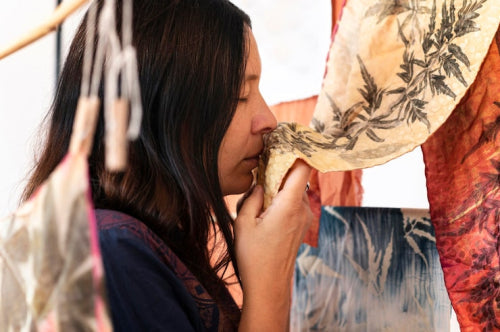
In the rhythmic clack of wooden looms echoing through villages like Varanasi and Kanchipuram, artisans breathe life into threads of silk, cotton, and linen. Each handcrafted saree emerges as a masterpiece a six-yard canvas of cultural heritage, intricate skill, and timeless elegance that has defined Indian femininity for generations.
Fast fashion erodes cultural heritage, sidelining artisans and reducing traditions to trends. At IndieHaat, we champion India's craftspeople with handcrafted sarees, apparel, décor, and skincare rooted in authenticity. Each piece embodies skill and ethical care. Support artisans and preserve India's timeless legacy Shop Now!
Exploring the Art of Weaving: The Timeless Craft Behind India's Handcrafted Sarees
This exploration uncovers the enduring legacy and contemporary vitality of handcrafted sarees, highlighting their artistic depth, cultural resonance, and the dynamic trends shaping India's vibrant fashion ecosystem.
A Tradition Deeply Woven into India's Cultural Fabric
The saree occupies an irreplaceable role in Indian society, gracefully adorning women during sacred rituals, joyous celebrations, and daily life. What distinguishes the handcrafted variety is the profound dedication invested in its creation. Skilled artisans in rural clusters devote weeks or even months to handlooms, transforming pure natural fibers like linen, silk, and cotton into textiles radiating genuine craftsmanship and regional identity.
These sarees are inextricably linked to India's expansive artisan network. The handloom sector stands as the nation's premier cottage industry, operating approximately 2.8 million looms and providing livelihoods for roughly 3.52 million individuals in direct weaving and supporting roles. Distinctive patterns arise from localized expertise, such as the opulent brocades of Banarasi sarees or the refined motifs of Kanjeevaram silks, safeguarding techniques refined across centuries.
This sector preserves India's vibrant cultural narrative through exceptional hand-spinning, weaving, and printing methods renowned worldwide. Artisans in remote towns and villages pass these traditions intergenerationally, sustaining a legacy of outstanding artisanship.
The Resurgent Appeal of Traditional Weaving Practices
Today, traditional weaving techniques are undergoing a remarkable resurgence. Handloom processes and artisanal block printing are gaining traction amid growing enthusiasm for environmentally responsible fashion. Weavers are prioritizing sustainable sourcing of yarns, skillfully merging classic designs with contemporary palettes and aesthetics to captivate today's discerning audience.
This momentum has propelled handcrafted sarees onto international stages, attracting enthusiastic buyers in markets including the United States, United Kingdom, Singapore, Australia, and the UAE. According to industry analysis, the Indian saree market achieved a valuation of USD 5.76 billion in 2024, with projections indicating growth to USD 10.33 billion by 2033 at a compound annual growth rate (CAGR) of 6.70% from 2025 to 2033.
Central to this trajectory is the escalating demand for sustainable handwoven sarees, bolstered by governmental measures like Geographical Indication (GI) tags and the Handloom Mark that certify authenticity and support weaver communities. E-commerce proliferation, enhanced by AI-powered personalization, virtual fitting technologies, and social commerce, has democratized access while celebrity advocacy and environmentally aware marketing draw in younger consumers.
Globally, the handloom sarees segment recorded a value of USD 3.72 billion in 2024, anticipated to rise from USD 3.99 billion in 2025 to USD 7.29 billion by 2032, reflecting a robust CAGR of 8.99%. Asia Pacific commanded 68.82% of this market in 2024.
Beyond sarees, the broader handloom products category is poised for expansion at a CAGR of 9.3%, escalating from US$8.3 billion in 2023 to US$15.6 billion by 2030, underscoring the enduring vitality of artisanal textiles rooted in historical craftsmanship.
Artisan Narratives: Bridging Tradition and Global Reach
From the weaving hubs of Tamil Nadu to the clusters in West Bengal, artisans once confined to local markets now export their works internationally. Digital marketplaces link these creators straight to consumers, eliminating intermediaries and elevating incomes. A master weaver in Kanchipuram may invest days crafting a single silk saree, destined for a closet in New York or London.
Such platforms emphasize authentic stories: footage capturing deft hands at looms, in-depth accounts of pure materials, and one-of-a-kind designs sourced directly from makers. Social influencers play a pivotal role, with Instagram profiles like anilarubyraj, ani_lakshmi, svishala74, drminimalhotra, and varshaoak demonstrating innovative draping and styling that integrate heritage pieces into modern wardrobes.
Partnerships between artisans and international designers further innovate, incorporating Indian weaves into worldwide collections and elevating them on prestigious runways.
Navigating Persistent Challenges in the Craft
Despite these advances, obstacles remain. The premium pricing of handcrafted sarees stems legitimately from labor-intensive processes and high-quality natural fabrics, yet it can alienate cost-conscious buyers. A notable trust gap persists in online transactions, where customers cannot physically examine texture or drape, fostering doubts about genuineness.
Furthermore, expanding output while upholding impeccable standards tests artisans, who must reconcile rising demand with the inherently deliberate pace of manual weaving.
Digital Empowerment and Sustainable Advantages
E-commerce platforms are revolutionizing the landscape by procuring handmade goods directly from artisans, featuring exclusive designs in authentic linen, silk, and cotton. Channels like Instagram, Facebook, and YouTube cultivate engaged audiences through transparent glimpses into production, strengthening buyer confidence.
In an era dominated by disposable fashion, the inherent sustainability of these sarees crafted from pure, ethical materials provides a compelling edge. Rich narratives, superior visuals, and emerging tools like virtual trials mitigate the inability to touch products, rendering digital shopping more reassuring and immersive.
A Vibrant Horizon for Handcrafted Elegance
The prospects for handcrafted sarees are unequivocally promising. With millennials and Gen Z increasingly valuing cultural roots alongside innovation, and international appetite expanding, this sector is set for sustained ascent. Advances such as AI-enhanced customization will harmonize with ancestral methods, securing prosperity for artisans.
Ultimately, India's handcrafted sarees embody the nation's profound heritage while foreshadowing sustainable fashion's future a seamless fusion of tradition and forward-thinking innovation on the world stage.
Frequently Asked Questions
What makes handcrafted sarees different from regular sarees?
Handcrafted sarees are meticulously woven by skilled artisans on traditional handlooms using pure natural fibers like silk, cotton, and linen. Each piece takes weeks or even months to create, resulting in unique patterns and exceptional quality that reflect regional heritage and artisanal expertise. Unlike mass-produced alternatives, these sarees embody authentic craftsmanship, sustainable practices, and cultural traditions passed down through generations.
Why are handwoven sarees becoming popular globally?
The global handloom sarees market is experiencing remarkable growth, valued at USD 3.72 billion in 2024 and projected to reach USD 7.29 billion by 2032. This surge is driven by increasing demand for sustainable fashion, governmental certifications like GI tags ensuring authenticity, and digital platforms connecting artisans directly to international markets. Additionally, celebrity endorsements, social media influence, and AI-powered personalization have made these traditional garments accessible and appealing to younger, eco-conscious consumers worldwide.
How does buying handcrafted sarees support Indian artisans?
Purchasing handcrafted sarees directly empowers India's 3.52 million handloom workers by providing sustainable livelihoods and preserving centuries-old weaving traditions. E-commerce platforms now connect artisans from weaving hubs like Varanasi, Kanchipuram, and West Bengal directly to global customers, eliminating intermediaries and increasing their income. Each purchase helps sustain the handloom sector—India's largest cottage industry—while safeguarding cultural heritage and supporting ethical, environmentally responsible fashion practices.
Disclaimer: The above helpful resources content contains personal opinions and experiences. The information provided is for general knowledge and does not constitute professional advice.
You may also be interested in: Handloomed Ikat Patterns Influence Designer Scarves – Indiehaat
Fast fashion erodes cultural heritage, sidelining artisans and reducing traditions to trends. At IndieHaat, we champion India's craftspeople with handcrafted sarees, apparel, décor, and skincare rooted in authenticity. Each piece embodies skill and ethical care. Support artisans and preserve India's timeless legacy Shop Now!
Powered by flareAI.co