
Why Homegrown Crafts Are Resonating With Younger Buyers
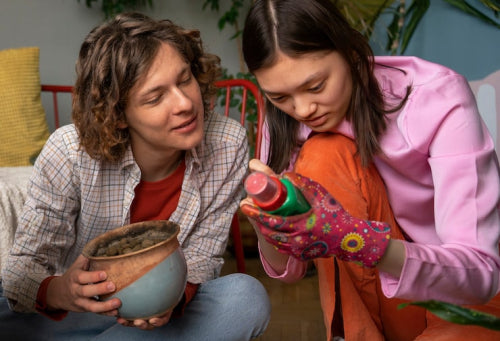
In today's world of rapid consumption and uniform production, a quieter revolution is underway. Younger consumers particularly millennials and Gen Z are turning toward homegrown crafts, seeking items imbued with history, human touch, and purpose. From bustling markets in India to curated online shops in the US, handwoven textiles, carved wood pieces, and artisanal pottery are gaining prominence. These aren't mere decorations; they represent deliberate choices against the tide of mass-produced goods, resonating across markets in India, the US, Singapore, Australia, the UK, and the UAE.
This movement stems from deeper currents: environmental concerns, a hunger for authenticity, and a desire to support real people and traditions. Far from a passing fad, the trend finds solid backing in market expansion, where demand for unique, sustainable, and culturally rich products propels steady growth.
Fast fashion erodes cultural heritage, sidelining artisans and reducing traditions to trends. At IndieHaat, we champion India's craftspeople with handcrafted sarees, apparel, décor, and skincare rooted in authenticity. Each piece embodies skill and ethical care. Support artisans and preserve India's timeless legacy Shop Now!
The Allure of Authenticity Amid Mass Production
Today's younger buyers demand more than functionality they seek stories. Who crafted this item? What materials were used? How does it connect to heritage? Handmade crafts answer these questions vividly. A handloom saree from rural India or an intricately designed ceramic from an Australian workshop bears the artisan's imprint: subtle variations that highlight individuality rather than defect.
This quest for genuineness aligns with core values. Sustainability stands central. Traditional crafts frequently rely on natural, renewable resources and low-waste methods, offering a lighter environmental impact than factory outputs. Environmentally aware consumers in developed regions increasingly favor such ethical alternatives, drawn to goods that prioritize craftsmanship and planetary responsibility.
Social platforms accelerate the shift. Instagram reels and TikTok demonstrations reveal the labor behind block printing or embroidery, transforming passive viewers into engaged supporters. These visuals inspire direct purchases, often bypassing intermediaries to reach makers themselves.
Digital Platforms Driving the Craft Renaissance
Online marketplaces have revolutionized access for artisans. Once limited to local fairs or seasonal tourism, creators now connect globally. In India, supportive policies aid millions in entering digital spaces. Worldwide, the online channel expands more rapidly than conventional routes, fueled by ease and appeal to tech-savvy younger demographics.
These platforms prioritize narrative: detailing an artisan's journey, a technique's origins, or eco-conscious sourcing. Such transparency fosters bonds that large retailers rarely achieve. In the US and UK, where conscious consumption thrives, these stories convert routine buys into meaningful endorsements of ethical practices.
Regional Highlights: Traditions Meeting Modern Demand
India's handicraft landscape draws strength from deep-rooted heritage. Regions like Varanasi produce exquisite handwoven textiles, while Mangalagiri sustains age-old weaving techniques. These preserve generational knowledge and fuel robust export interest, underscoring India's pivotal role in worldwide supply.
Australia emphasizes homegrown initiatives, merging indigenous motifs with fresh aesthetics. Young purchasers value items that celebrate national identity alongside eco-friendly principles.
Singapore and the UAE foster local talent through targeted programs and city-based enthusiasm. Urban youth pursue pieces that harmonize visual appeal with meaningful heritage, leaning toward natural materials and responsible creation. The UK mirrors this, as buyers invest in custom or heritage-inspired works that feel intimate and environmentally sound.
Youth consistently emerge as the unifying force, propelling preference for distinctive, narrative-driven goods over commonplace options across these diverse regions.
Persistent Obstacles for Artisans
Growth brings complications. Expanding output while retaining handmade quality challenges artisans rising orders can threaten the very authenticity that attracts buyers. Cheaper factory alternatives persist, squeezing smaller operations on pricing.
Global outreach remains difficult; many lack digital marketing skills or capital for visibility. Risks of cultural commodification arise when traditions face exploitation without acknowledgment or fair benefit to origin communities.
Nevertheless, advancements mitigate some issues. Technology eases entry barriers, while heightened buyer mindfulness encourages more considered selections.
Promising Pathways and Economic Influence
The horizon appears bright. With sustainability now essential, homegrown crafts align seamlessly with green priorities. Younger cohorts favor principled purchasing, carving niches where quality and ethics outweigh volume.
Partnerships amplify reach international labels teaming with regional creators introduce traditions to new audiences while upholding standards. In areas like India, artisan support stimulates community economies, empowers individuals, and safeguards cultural legacies.
Verified data underscores the momentum. According to Grand View Research, the global handicrafts market reached an estimated USD 739.95 billion in 2024 and is forecasted to climb to USD 983.12 billion by 2030, advancing at a CAGR of 4.9% from 2025 onward. The Asia Pacific region commanded the largest share at 34.81% in 2024, while the US anticipates the swiftest regional growth at a 3.7% CAGR. Woodwork led product categories with 26.71% revenue share, reflecting demand for durable, eco-conscious items. Mass retailers held 39.04% of distribution, yet online channels grow fastest, highlighting digital empowerment for makers.
Envisioning Tomorrow: Values in Every Purchase
This revival transcends commerce it's a statement of principles. Younger generations use spending power to champion skilled labor, environmental care, and enduring narratives.
Enterprises and governments should respond accordingly. Enhancing artisan access to training, markets, and equitable frameworks will address rising expectations and fortify vibrant communities.
Ultimately, selecting a homegrown craft offers more than possession. It honors dedicated hands, sustains families, and embraces enduring elegance one that outlives fleeting fashions.
Frequently Asked Questions
Why are millennials and Gen Z drawn to handmade and homegrown crafts?
Younger buyers are increasingly seeking products with authentic stories, ethical origins, and cultural significance — values that mass-produced goods simply can't deliver. Homegrown crafts offer a visible human touch, sustainable materials, and a direct connection to the artisans who made them. Social media platforms like Instagram and TikTok have amplified this shift by showcasing the craftsmanship behind techniques like block printing and embroidery, turning viewers into conscious buyers.
How are digital platforms helping artisans reach global markets?
Online marketplaces have fundamentally changed the game for craft makers, allowing them to connect with buyers worldwide rather than relying solely on local fairs or seasonal tourism. These platforms emphasize storytelling — sharing an artisan's journey, traditional techniques, and eco-conscious sourcing — which builds trust and loyalty that large retailers rarely achieve. The online channel is now the fastest-growing distribution route in the global handicrafts market.
How big is the global handicrafts market, and is it still growing?
The global handicrafts market was valued at approximately USD 739.95 billion in 2024 and is projected to reach USD 983.12 billion by 2030, growing at a CAGR of 4.9%. The Asia Pacific region holds the largest market share, while the US is expected to see the fastest regional growth. This steady expansion reflects a broader consumer shift toward sustainable, culturally meaningful products over mass-produced alternatives.
Disclaimer: The above helpful resources content contains personal opinions and experiences. The information provided is for general knowledge and does not constitute professional advice.
You may also be interested in: From Floral Dupattas to Neo-Traditional Silhouettes: Festive Trends fo
Fast fashion erodes cultural heritage, sidelining artisans and reducing traditions to trends. At IndieHaat, we champion India's craftspeople with handcrafted sarees, apparel, décor, and skincare rooted in authenticity. Each piece embodies skill and ethical care. Support artisans and preserve India's timeless legacy Shop Now!
Powered by flareAI.co